Focused ACT: Expanding the Reach of Contextual Behavioral Science in a Troubled World
 Presented in English, also available for session attendees (in Lyon) via simultaneous AI (artificial intelligence) translation software in 50+ languages. More details available here.
Dates and Location of this IN-PERSON 2-Day Workshop:
IN-PERSON at Catholic University of Lyon (UCLY)
Tuesday, 14 July 2026 from 9:00 - 17:00 Central European Summer Time
Wednesday, 15 July 2026 from 9:00 - 17:00 Central European Summer Time
Contact Hours: 13
Workshop Leaders:
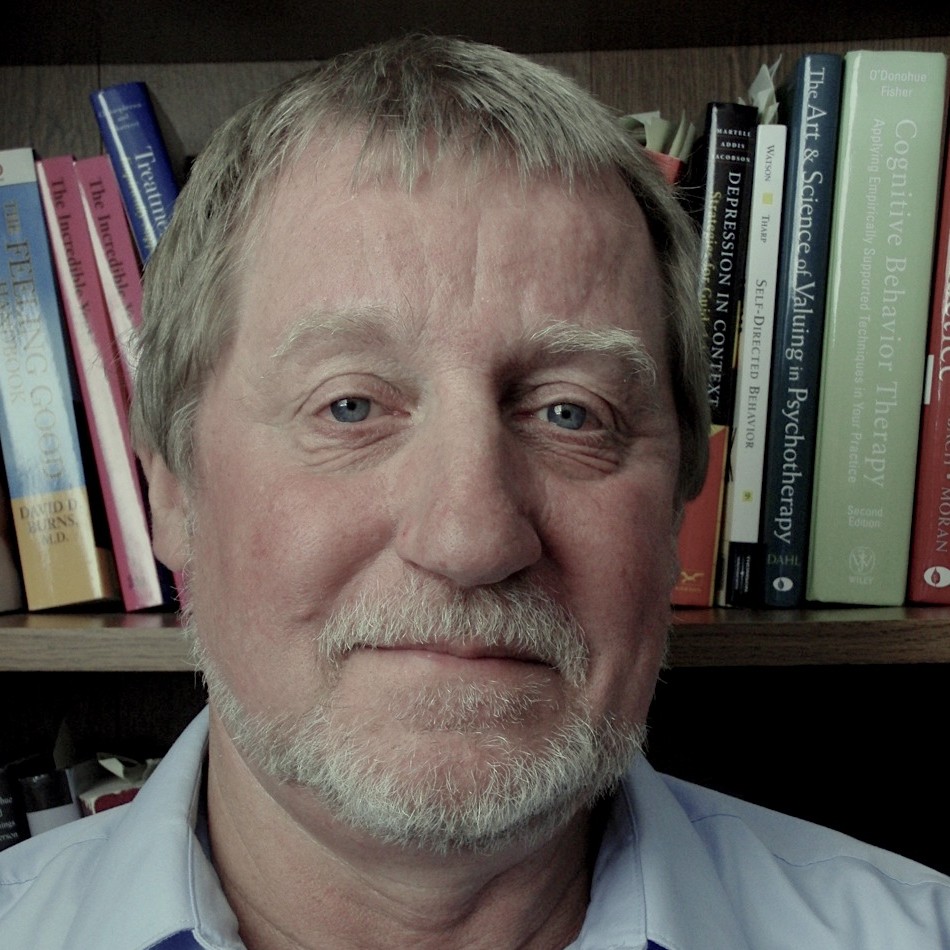 |  | 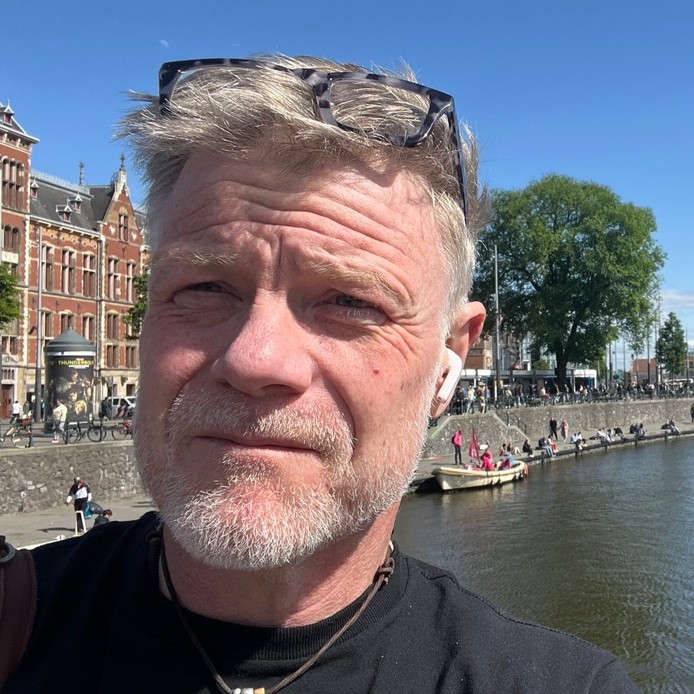 |
| Kirk Strosahl, Ph.D. | Patti Robinson, Ph.D. | Thomas Gustavsson, M.Sc. |
Workshop Description:
Helping professionals around the globe are facing an unprecedented increase in requests for behavioral healthcare, often in the context of diminishing community resources. To address this crisis, there is pressing need to implement time-efficient, effective brief intervention approaches that can increase access to care for those in need. Focused ACT (FACT) is one such brief intervention approach that promotes engagement with a broad range of people of different cultures. FACT emphasizes immediate access to care, a family focus, sensitivity to cultural context, and immediate attention to improved functioning.
In this 2-day workshop, participants will learn a core-competency-based approach to developing FACT skills for assessing, conceptualizing, reframing and promoting radical behavior change for people of all ages presenting with mental health, substance use, and/or medical problems. Healthcare providers with less training in talking therapies can learn FACT from mental health providers trained to competency in this highly transferable approach to reducing human suffering. The practice of FACT can be adapted by the user to their practice context and the expectations and needs of patients driven by setting demands. This means that FACT, as a behavioral consultation approach to behavior change, can be used in traditional mental health settings and in hospital and outpatient healthcare settings.
The FACT model is organized around a four step model known as CAARE (Context, Approach, Avoidance, Redesign, Expand). Each letter stands for a set of specific clinical tasks completed by the helping professional. The workshop provides a package of practice tools to facilitate learning and “teaching Focused ACT forward” to others. Our educational methods involve a mix of didactic, experiential, and skill-based training activities. At the conclusion of the workshop, participants will use the FACT Core Competency Tool as a self-assessment, and, based on results, develop an individual learning plan to further develop needed skills and knowledge.
About the Workshop Leaders:
- Kirk Strosahl, Ph.D.
Dr. Strosahl is a co-founder of Acceptance and Commitment Therapy and has long been a chief proponent of using Focused ACT (FACT) as a brief intervention. He has co-authored professional books on FACT, including Brief Interventions for Radical Change: Principles and Practice of Focused Acceptance and Commitment Therapy. (Robinson & Gustavsson, co-authors, 2012, New Harbinger Publications), and Inside This Moment: Promoting Radical Change in Acceptance and Commitment Therapy (Robinson & Gustavsson, co-authors, 2015, New Harbinger Publications). He has also co-authored best-selling ACT self-help books, including The Mindfulness and Acceptance Workbook for Depression, 2nd Edition (Patricia Robinson, co-author, 2018, New Harbinger Publications). He co-authored a book on Focused ACT for psychiatric practitioners, Learning Acceptance and Commitment Therapy: The Essential Guide to the Process and Practice of Mindful Psychiatry (co-authors Goubert, Torneke, Purrsey, Loftus & Roberts, 2020, American Psychiatric Publishing). Recently, he co-authored a book on using FACT for clients in crisis, Crisis integration with Acceptance and Commitment Therapy: Theory and practice (co-author Carlsson, 2023, American Psychiatric Publishing). Dr. Strosahl has conducted numerous training workshops on FACT around the world. Because his approach to teaching is so clinician oriented, accessible and practical, Dr. Strosahl has been referred to as the “hands of ACT”.
- Patti Robinson, Ph.D.
Dr. Robinson, PhD, is currently the President of Mountainview Consulting Group (www.Mtnviewconsulting.com) (winner of an APA Presidential Innovative Practice Award). She received the Don Bloch Award for excellence in integrated care in 2023 and the Primary Care Luminary Award in 2025. Dr. Robinson is co-founder of the Primary Care Behavioral Health model and Focused Acceptance and Commitment Therapy. She provides consultation and training services internationally and is committed to improving access to healthcare services and to realization of health equity. Earlier in her career, she worked as a researcher and clinician and then as a Behavioral Health Consultant. She has published extensively, and with Jeff Reiter, completed the 3rd Edition of Behavioral Consultation and Primary Care: A Guide to Integrating Services (http://SpeaktoyourDoctor.com). “Patti” lives in the Willamette Valley of Oregon with her partner and their pups, Mac and Molly.
- Thomas Gustavsson, M.Sc.
Thomas Gustavsson, M.Sc., and clinical psychologist, peer reviewed ACT-trainer has worked with brief interventions based on ACT and other contemporary behavior therapies within different organizations for the last 18 years. He is one of the founders of Psykologpartners, a fast growing company working with consulting services both for health care services and others. During 2005-2012 main focus was on developing brief interventions in psychiatric clinics for clients with self harming, eating disorders, anxiety and depression. One of the concepts developed and evaluated in psychiatric care is transdiagnostic group therapy. A model that increases availability to treatment and shortens time on waiting list for clients. That model has been trained in numerous workshops in Swedish health system and implemented in different settings. Besides this work Thomas has been working with training, supervision and clinical work based on ACT and behavior therapy.
From 2012-2021, Thomas worked 75% as a treatment developer, supervisor and clinical psychologist at Segesholms treatment center in south Sweden (3 units). The main population is young woman with severe mental and behavioral disorders such as self harming behaviors, suicidal behaviors, eating disorders, OCD, depression, anxiety and different developmental disorders such as autism, ADHD, and intellectual disabilities.
Between 2014-2016 Thomas worked as a treatment developer and clinical psychologist at EMBLA treatment center. The main population was women with substance abuse in combination with severe mental illness. From 2016-2021 Thomas was a co owner, treatment developer and clinical psychologist at Osterlenportens treatment center for young women. Suicidal behaviors, PTSD, eating disorders, OCD and self harming behaviors with or without disabilities are the main clientele
at Osterlenporten.Thomas are also working part time training staff in FACT in numerous settings. That also includes more complex implementations and consulting. From March 2021 Thomas runs Skånes Psykologiska Utbildningsinstitut AB for clinical work, training, supervison and consulting.
He runs a small company (Beteendekollektivet) together with his wife solely for the purpose of writing. He is also a co writer of four books. When Thomas doesn´t work he spends time with his 4 kids and also loves to hunt boar and fly
fishing for salmon.
Following this workshop participants will be able to:
- Describe psychological flexibility in approach-avoidance terms.
- Demonstrate FACT session flow using the CAARE acronym (Context, Approach, Avoid, Redesign, Expand).
- List core components of the Life Context part of the FACT Contextual Interview.
- List the core components of the Problem Context of the FACT Contextual Interview.
- Demonstrate how to incorporate the approach-avoidance dynamic within the Contextual Interview.
- Describe the three FACT in-session rating scales and their application to metrics-informed practice.
- Conceptualize possible ways of helping a person using the FACT Four Square tools and Pillars Assessment Tool.
- Describe different ways to frame problems to increase client agency and motivation for experimentation.
- Describe ways to use present moment interventions to ignite the rapid change process.
- Explain how to use two core FACT metaphors to promote behavior change (e.g., FACT Life Path, FACT Bull's Eye, FACT Web of Life).
- Use the CAN-DO checklist to evaluate the quality of a FACT behavioral experiment.
- Discuss the core purposes and clinical activities of a FACT follow-up visit.
- Complete a self-assessment of core FACT clinical skills using the FACT Competency Assessment Tool.
- Create a learning plan to guide subsequent study and practice activities that support mastery of FACT.
Target audience: Beginner, Intermediate, Clinical
Components: Conceptual analysis, Experiential exercises, Didactic presentation, Case presentation, Role play
Topic Areas: Clinical, Brief Interventions
Package Includes: A general certificate of attendance
CE Credit Hours Available (13 hours): CEs for psychologists, BCBA