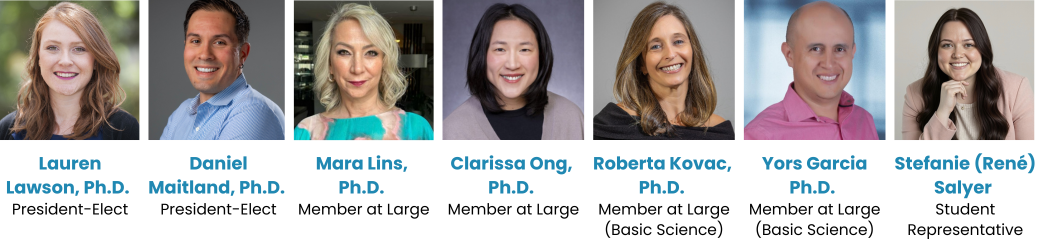
President - Elect Nominees:
- Lauren Lawson, Ph.D., La Trobe University, Melbourne (Australia)

Lauren Lawson, PhD, is a Clinical Psychologist and Senior Lecturer at La Trobe University, Melbourne. She works across clinical practice, teaching, and research, with a strong commitment to translating contextual behavioural science into evidence-based practice and training. Lauren has held multiple leadership roles within the Australia and New Zealand Chapter of ACBS (2023-2026; currently Past-President), and serves on the ACBS Awards Committee (2024-). Across these positions, her service has focused on sustainability, clear communication, and strengthening member engagement. She is an active researcher (>46 peer-reviewed publications) and co-director of ACTUALISE Lab, a CBS research group focused on bridging the research-practice divide through applied, stakeholder-informed research. Her research program focuses on understanding and improving mental health outcomes for autistic adults, with particular emphasis on transdiagnostic mechanisms and contextual behavioural science approaches to intervention development.
Statement: I am nominating for President because ACBS has played a defining role in my professional journey, and I would be honoured to give back to this community. I care deeply about ACBS as a global home for contextual behavioural science, and supporting its continued growth in ways that are inclusive, collaborative, and responsive to a changing international landscape. Both personally and professionally, I have seen the importance of creating spaces where different ways of thinking and being are valued. Across my leadership roles within ANZ ACBS, I have prioritised inclusive, accessible structures that support member engagement across regions, career stages, and disciplines. If elected, I will advocate for strengthening international connections, supporting emerging leaders, and maintaining a strong bridge between science and practice. I bring experience leading research programs grounded in process-based approaches, alongside clinical psychology training and education leadership.
- Daniel Maitland, Ph.D., University of Missouri-Kansas City (USA)

Daniel Maitland, Ph.D. is a licensed psychologist in Missouri and an Associate Professor of Clinical Psychology at the University of Missouri–Kansas City. His research focuses on psychotherapy process and outcomes, with particular emphasis on Functional Analytic Psychotherapy and the application of contextual behavioral principles to understand the bidirectional links between social connection, loneliness, and health, especially within marginalized populations. His work has been published in peer-reviewed journals and has successfully secured NIH-funding for research projects as Principal Investigator.
Dr. Maitland has been an active and long-standing member of ACBS, with extensive service to the organization. He currently serves on the Membership Committee and is President of the Functional Analytic Psychotherapy SIG. His prior service includes membership on the Diversity Committee, chairing the WorldCon Welcome Committee, and regular reviewing of WorldCon submissions. He has also served as an Associate Editor for the Journal of Contextual Behavioral Science since 2017.
Statement: I was introduced to Functional Analytic Psychotherapy shortly after my first undergraduate psychology course in 2007. Since that time, my professional identity has been fully rooted in contextual behavioral science. As a psychotherapy process and outcomes researcher, a certified FAP trainer, and someone deeply interested in the basic science at the foundation of CBS, I am committed to advancing a field that is both scientifically rigorous and clinically meaningful.
I see ACBS as a vital home for both researchers and clinicians, and I am invested in ensuring that our science remains strong, visible, and supported, particularly in a broader context that has increasingly dismissed scientific expertise. I am committed to serving ACBS members across identities, career stages, treatment emphases, and geopolitical locations. I believe ACBS is at its best when it fosters inclusion, scientific curiosity, cultural humility, and collaboration while remaining firmly grounded in a science of human behavior.
Member at Large Nominees:
- Mara Lins, Ph.D., Faculty of the Center for Family and Individual Studies (Brazil)
 Psychologist (PUCRS). PhD in Clinical Psychology (UNISINOS). Master’s in Social Psychology (PUCRS). Specialist in Couple and Family Therapy. First therapist in Latin America with complete training in Integrative Behavioral Couple Therapy (IBCT) with the creators of the model. Profesor and supervisor of undergraduate and postgraduate courses. Director of FACEFI (Faculty of the Center for Family and Individual Studies). Coordinator of a postgraduate course in Contextual Behavioral Therapies, organizer of several workshops in the area, and included the subject of contextual therapies in the psychology course curriculum at FACEFI. Former President of the ACBS-Brazil Chapter. Member of the CEFI Contextus and DBT CEFI teams. Translator of books published, author of several book chapters on IBCT and scientific articles. Organizer of a book on contextual therapies and romantic relationships. Training in Contextual Behavioral Therapies, focusing on: Acceptance and Commitment Therapy, Dialectical Behavior Therapy, and Integrative Behavioral Couple Therapy. IBCT Certified Supervisor.
Statement: I deeply respect the history and values that sustain ACBS. My professional trajectory—spanning over 30 years of experience, particularly in interpersonal relationships—has been shaped by Contextual Behavioral Therapies, which guide my practice through principles such as acceptance, intimacy, compassion, effective communication, and commitment to values. These principles permeate my clinical, educational, and leadership work, carried out as Director of a Psychology Faculty, in my role as former President of the ACBS Brazil Chapter, and in the founding of IBCT Latin America. My relationship with contextual science transcends the professional sphere, offering meaning and direction to my life. As a Latin American, I recognize the importance of expanding cultural representation and wish to contribute by strengthening bridges, promoting equity in access to knowledge, and valuing diverse cultural contexts. If elected, I will serve ACBS with responsibility, scientific rigor, human sensitivity, and a deep commitment to the community.
- Clarissa Ong, Ph.D., University of Louisville (USA)
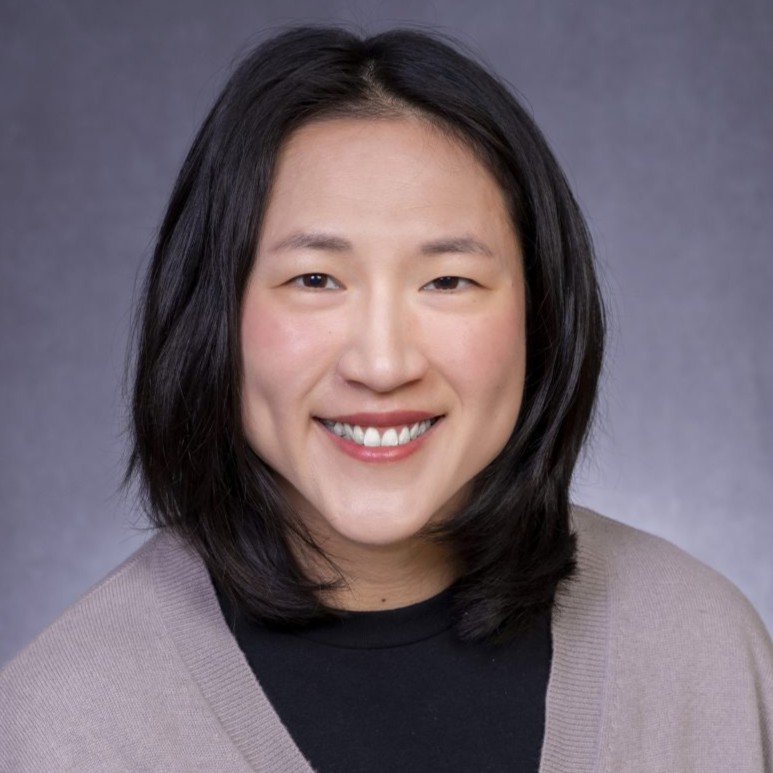 Dr. Clarissa Ong is an Assistant Professor in the Department of Psychological and Brain Sciences at the University of Louisville. She serves on the ACBS Scientific Strategic Council and ACBS Foundation Board. Dr. Ong completed her Ph.D. in Clinical/Counseling Psychology at Utah State University. Her research focuses on developing, evaluating, and disseminating personalized interventions guided by behavioral and process-based principles. Specific topics of interest include process-based therapy (PBT), acceptance and commitment therapy (ACT), obsessive-compulsive and related presentations, and perfectionism. She has co-authored over 80 peer-reviewed articles and four books, including a treatment guide for PBT.
Statement: ACT/CBS has played an indelible role in shaping who I am as a person today. From learning I could take my mind for a walk to ugly-crying at a Kelly Wilson workshop, functional contextualism has become core to how I see the world and understand human functioning. In serving ACBS, the objectives most meaningful to me are:
- Fostering a sense of belonging and inclusion for people newer to ACBS or feeling like they are on the “sidelines” (e.g., supporting initiatives like the Early Career Mentorship program).
- Increasing collaboration between primary-researchers and primary-clinicians, to build a science informed by practice and practice informed by science (e.g., developing community-oriented infrastructure for interested parties to connect).
- Democratizing CBS activities as much as possible, such as by promoting resources that increase accessibility (e.g., how to conduct research on a shoestring budget, how to deliver the smallest unit of ACT).
Member at Large (Basic Science) Nominees:
- Roberta Kovac, Ph.D., Instituto Par Educação (Brazil)
 Clinical psychologist, behavior analyst, and academic leader with over 30 years of experience in Behavioral Science. PhD in Clinical Psychology from the University of São Paulo and a Master’s degree in Experimental Psychology: Behavior Analysis from PUC-SP. I work as a professor, supervisor, and director at Instituto Par Educação, contributing to graduate and professional training in Applied Behavior Analysis and contextual behavioral therapies.
My work integrates basic and applied science, with emphasis on Relational Frame Theory, language and cognition, psychological suffering, and process-based clinical interventions. I have authored peer-reviewed articles and book chapters and am actively involved in training clinicians and researchers across Brazil and Latin America. My academic and institutional work is dedicated to strengthening the bridge between basic behavioral science and culturally responsive clinical practice, contributing to the development of contextual behavioral science.Statement: Since my first ACT workshop in 2010, contextual behavioral science has guided my professional path. As a scientist-practitioner, I focus on applying CBS to reduce human suffering and expand access to evidence-based care for diverse and underserved communities.
Working in Brazil has meant developing science within the constraints often faced in developing countries, including limited funding and structural barriers to research and unequal access to training and dissemination. These conditions have lead me to search for building collaborative networks, promoting high-quality training, and supporting the growth of CBS in underrepresented regions.- Yors Garcia, Ph.D., Pontificia Universidad Javeriana (Colombia)
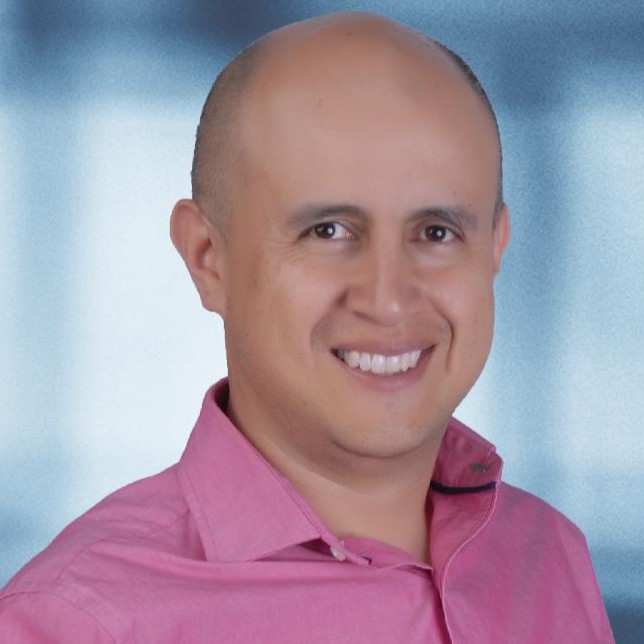 Yors Garcia, PhD, is a clinical behavior analyst and faculty member at Pontificia Universidad Javeriana (Bogotá, Colombia). His work bridges contextual behavioral science and applied behavior analysis, with a focus on psychological flexibility and scalable interventions for caregivers and underserved communities. He collaborates on clinical, translational, and implementation-oriented research, including online/asynchronous training programs and single-case and group designs. He teaches and supervises clinicians-in-training and is committed to strengthening research capacity in Latin America through mentorship, collaboration, and culturally responsive dissemination. He is active in ACBS Colombia and works to expand access to evidence-based contextual interventions across the region. His scholarship includes published work on ACT, caregiver training, and culturally responsive applications of behavioral science. He collaborates with clinicians and researchers across Latin America and the U.S., and supports sustainable mentoring and training pipelines through ACBS chapters and SIGs.
Statement: My priorities are: (1) strengthen ACBS as a truly international home by supporting regional chapters/SIGs, including sustained investment in ACBS Latin America through Spanish/Portuguese resources, mentorship pathways, and cross-chapter collaboration; (2) accelerate translation from principles to practice by expanding practical tools (training resources, implementation guidance, and measurement support) that help clinicians, researchers, and educators deliver high-quality contextual work; and (3) advance equity and cultural responsiveness by elevating locally developed scholarship, supporting ethical community partnerships, and broadening leadership pipelines, especially for members in underrepresented regions. Across these priorities, I will emphasize transparent governance, clear member communication, and sustainable volunteer engagement so ACBS can grow effectively and inclusively. Practically, I’ll advocate for regional microgrants, reduced-fee access where feasible, mentorship circles for trainees/early-career members, and clearer pathways for Latin American representation in conference programming and ACBS leadership.
Student Representative Nominees:
- Stefanie (Rene) Salyer, Pennsylvania State University (USA)
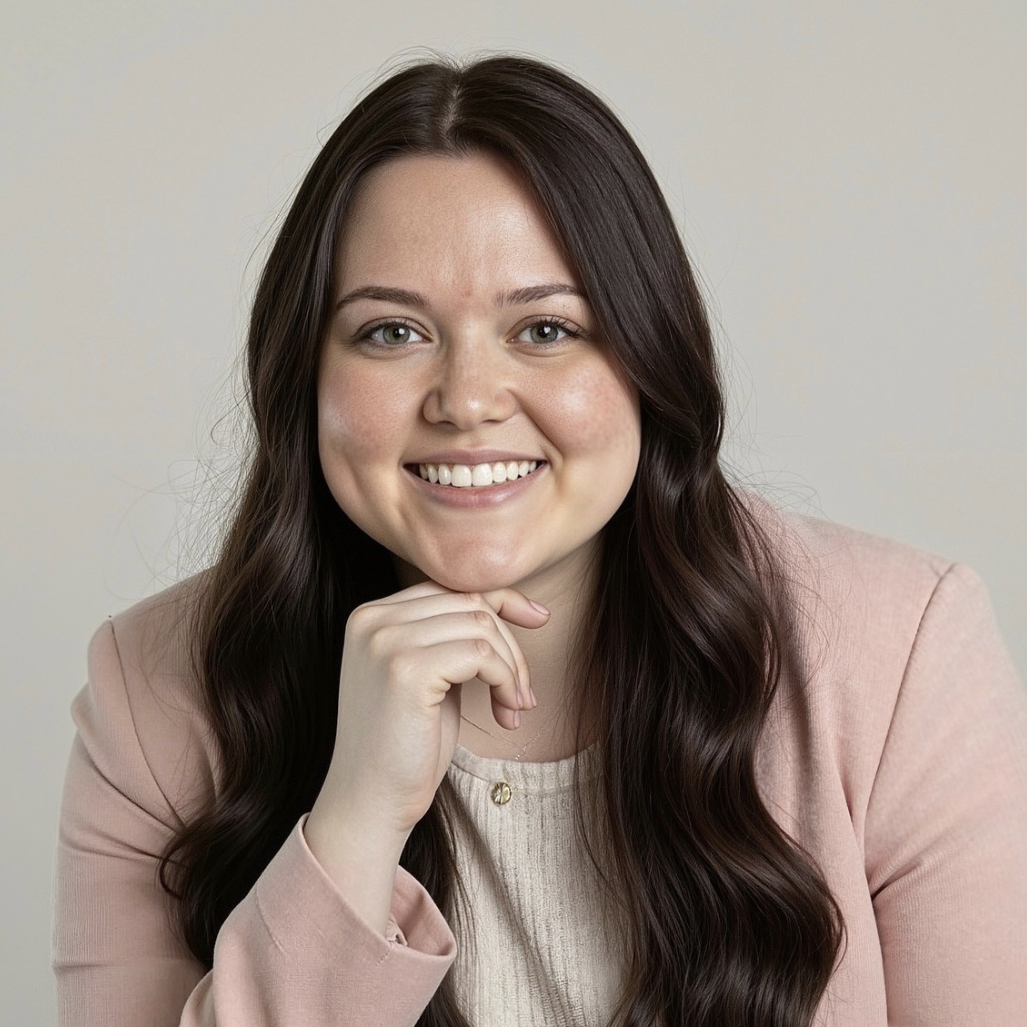 René Salyer is a doctoral candidate in Special Education: Applied Behavior Analysis and an M.Ed. student in Clinical Mental Health Counseling at Pennsylvania State University, with a strong commitment to advancing contextual behavioral science in schools. Her work focuses on bridging Acceptance and Commitment Training (ACT) and Relational Frame Theory (RFT) with practical, trauma-informed supports for students with disabilities. René brings a unique interdisciplinary perspective as an educator, behavioral specialist, and emerging mental health professional, working to build shared language and collaboration across teachers, counselors, and behavior analysts. René is inspired by the way CBS creates shared language across disciplines and fosters meaningful, values driven work in both research and applied settings. Getting elected as the student representative would allow her to help strengthen student engagement within ACBS, build community among students from diverse training backgrounds, and expand opportunities for connection, mentorship, and collaboration.
Statement: René is passionate about strengthening student engagement within ACBS by expanding access, fostering peer mentorship, and creating spaces where students from diverse disciplines can connect, learn, and lead together. As Student Representative, she hopes to amplify the student voice within the organization and ensure that ACBS remains a welcoming professional home for emerging scholars, practitioners, and educators across the world. René is especially committed to building opportunities for community and collaboration, including student-led writing groups, peer consultation spaces, and structured networking that supports both research and applied practice. She also hopes to continue and expand student sharing sessions that highlight the work of graduate students, while exploring ways to make participation more accessible across time zones, disciplines, and training backgrounds. René’s platform centers on connection, inclusion, and professional growth, helping students not only learn from contextual behavioral science, but also feel empowered to contribute, lead, and belong within ACBS.
- Ryan T. O'Donnell, The Chicago School, Los Angeles (USA)
Ryan T. O'Donnell is a doctoral student in clinical psychology (Psy.D.) at The Chicago School, Los Angeles. He founded his program's Contextual Behavioral Science Student Group (CBSG) and is currently working to propose the Relational Map Analysis Protocol (RMAP) under the mentorship of Dr. Jordan Belisle. The RMAP is a pragmatic diagramming system inspired by Relational Frame Theory for functionally analyzing human language and cognition, which Ryan hopes to apply toward advancing the end of child maltreatment. A self-described RFT obsessive, Ryan is currently doing time in a California State Prison—as a therapist extern. He serves as Student Representative for the ACBS SoCal Chapter and chairs the Student Leadership Committee of the Los Angeles County Psychological Association. Before graduate school, Ryan worked as a Behavior Therapist and served as a Court-Appointed Special Advocate for foster youth in Los Angeles.
Statement: As Student Representative, I would focus on three priorities. First, accessibility: CBS has transformative potential, but students often encounter steep barriers to entry with RFT and process-based methods. I would advocate for student mentorship, beginner-friendly programming, and resources that help students engage with CBS regardless of training background. Second, applied relevance: my clinical experience spans forensic assessment, child welfare, and correctional psychology. I want to help ensure ACBS programming and initiatives reflect the breadth of settings where CBS principles can make a difference, including legal systems, child protection, and underserved communities. Third, student voice in governance: students are not just the future of ACBS—we are right here, right now. I would work to ensure student perspectives are meaningfully represented in board decisions, that student research is highlighted, and that ACBS remains a community where early-career scholars feel they genuinely belong and can help shape the direction of contextual behavioral science.
ACBS Members can vote here: https://contextualscience.org/2026_board_election_ballot
The polls close on Friday, March 13, 2026 at midnight (based on your local time zone).
The ACBS bylaws say:
The officers of the Association shall consist of a President, President-Elect, Past-President, Secretary-Treasurer, a student representative, and four Members-at-Large of the Board of Directors. Elections for officers shall be held every year. The President, President-Elect, Past-President, and student representative shall each serve a one-year term and may not hold any other offices within the Association. The Members-at-Large shall be elected every two years. In each two-year cycle one of the Members-at-Large shall have a strong background and interest in basic science relevant to the purposes of the Association. The Secretary-Treasurer shall serve a three year term.
Find out more about the election process here.