Awards for 2025:
Aaron S. Luoma Fund for Global Equity
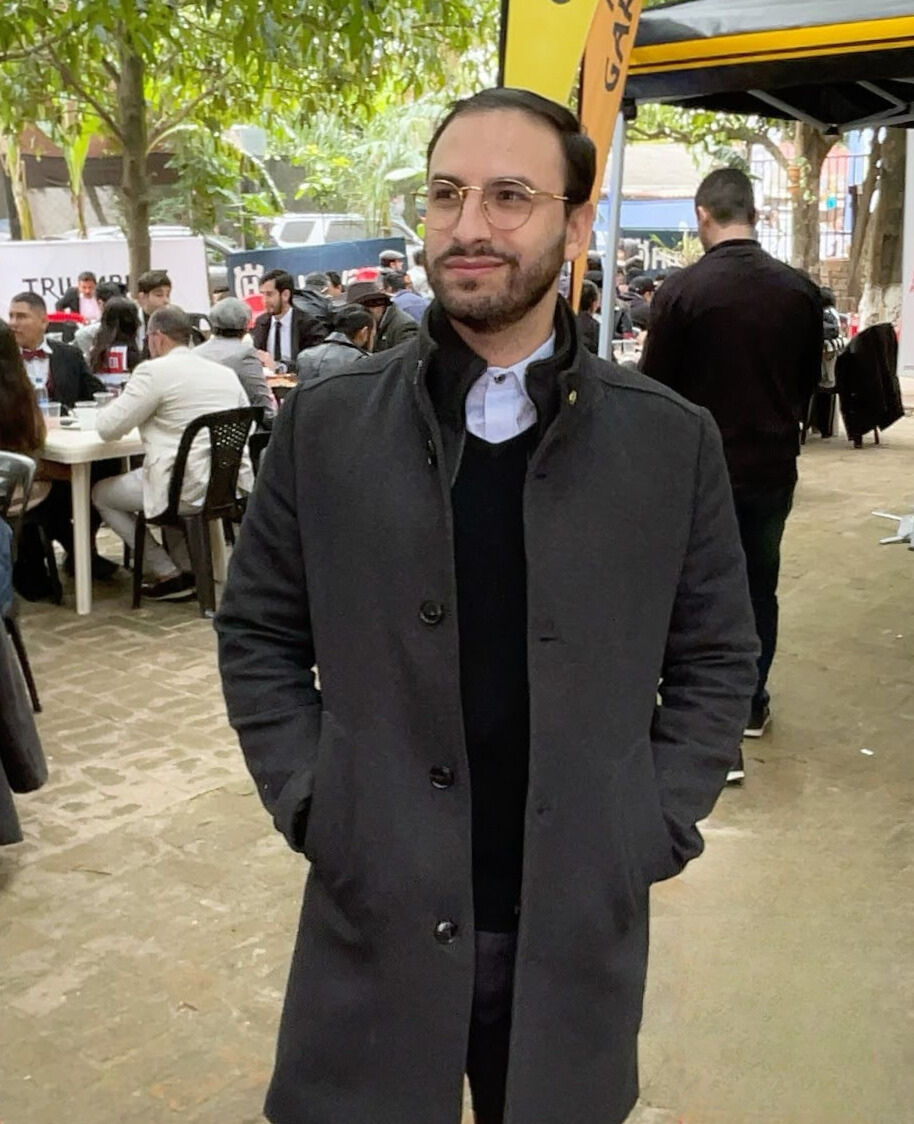

Nicolas Arancibia Levit, MSc, Coordinator of the Psychological Research and Advice Centre and his co-investigator; Maria Trinidad Terceros Pavisich, are proud to be the recipients of the 2025 ACBS Foundation Grant - Aaron S. Luoma Fund for Global Equity to complete a research project for Body Image Acceptance and Self-Efficacy: Predicting Exercise and Healthy Eating Behaviors in Young Adults.
Many young adults struggle with body image concerns, which can impact their confidence in maintaining healthy behaviors like regular exercise and balanced eating. This study aims to explore how accepting one’s body—without letting negative thoughts interfere—relates to confidence in staying physically active and making healthy food choices. Self-efficacy, or the belief in one’s ability to succeed in a specific task, plays a key role in forming healthy habits. People who feel confident in their ability to exercise or eat well are more likely to engage in these behaviors. However, negative body image can lower this confidence, making it harder to maintain a healthy lifestyle. By examining how body image acceptance relates to self-efficacy in exercise and eating habits, this research seeks to fill a gap in the literature and provide insights that could support interventions promoting well-being.
This study is based on principles from Acceptance and Commitment Therapy (ACT), which emphasizes psychological flexibility—the ability to accept one’s thoughts and emotions without letting them dictate behavior. ACT suggests that accepting body-related thoughts can reduce distress and improve overall health behaviors. By using validated questionnaires to assess body image acceptance and self-efficacy, this study will analyze responses from young adults aged 18 to 30 in Santa Cruz de la Sierra.
The findings could help shape future interventions that promote self-acceptance as a way to improve self-efficacy for exercise and healthy eating. These insights may contribute to the development of programs that reduce the risk of eating disorders and maladaptive health behaviors. Ultimately, this project aligns with Contextual Behavioral Science by offering a framework for enhancing well-being through psychological flexibility, helping individuals develop healthier relationships with their bodies and fostering long-term positive behavior change.
Foundation Grant
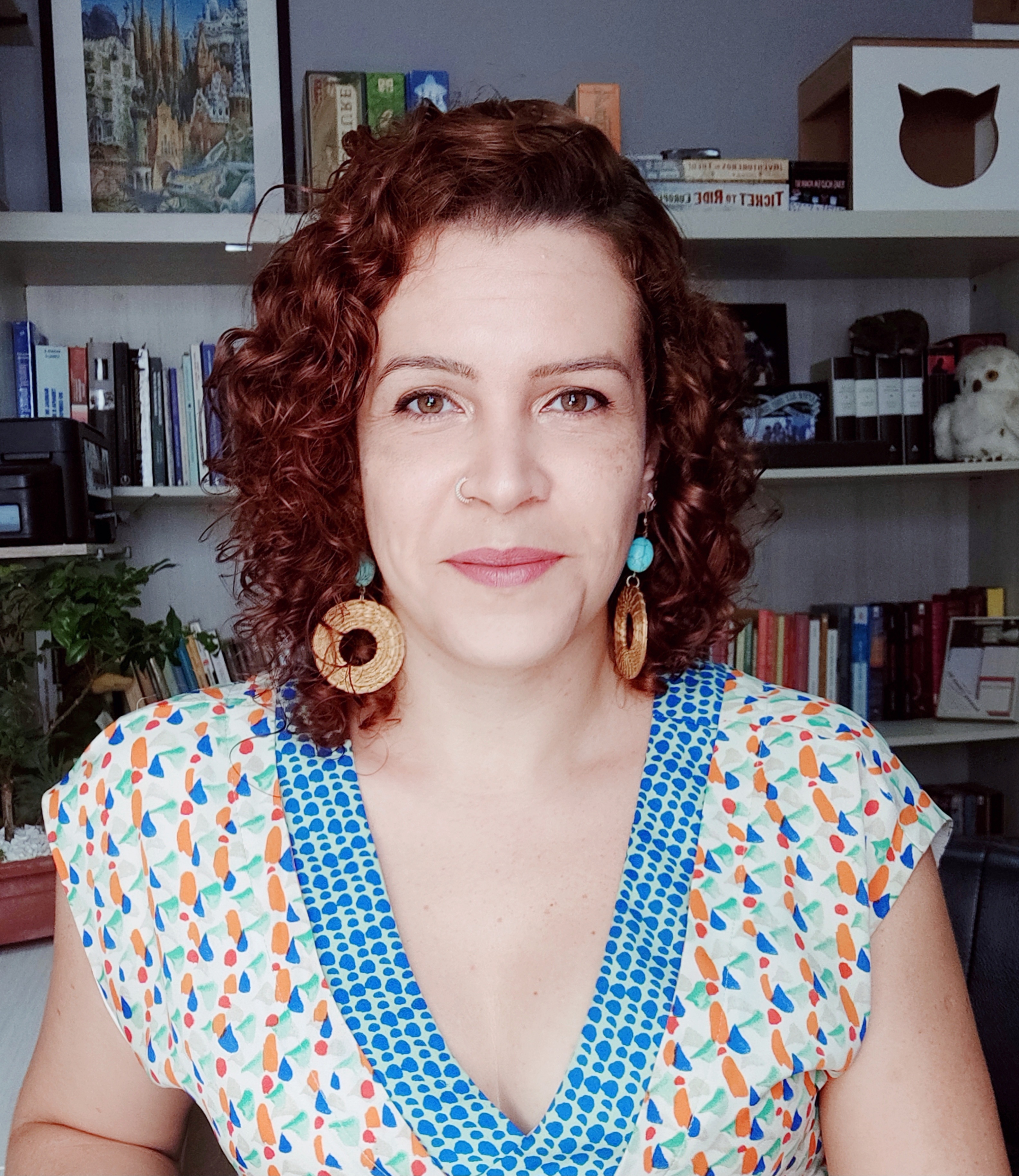
Anna Carolina Ramos, PhD, Professor at the Department of Psychology, Universidade Federal de Santa Catarina (UFSC), and her co-investigators; Dr. Helder Lima Gusso (UFSC) and Dr. Kenneth Fung (Toronto Western Hospital/University of Toronto) are proud to be the recipients of the 2025 ACBS Foundation Grant to complete a research project: Cultural Adaptation and Pilot of 'ACT on Your Recovery' with Contingency Management for Substance Use Disorders in Brazil.
Substance Use Disorder (SUD) is a significant public health concern in Brazil, affecting millions of individuals and their families. Despite the urgent need for treatment, access to effective, evidence-based care remains limited, particularly for underserved and low-income populations. Many existing therapies are costly, difficult to access, or not culturally adapted to the Brazilian context. This project aims to bridge this gap by introducing an innovative, culturally adapted intervention that combines Acceptance and Commitment Therapy (ACT) and Contingency Management (CM)—two well-established, evidence-based treatments for SUD.
Our study will translate, culturally adapt, and pilot-test the ACT on Your Recovery protocol combined with CM, ensuring its effectiveness for the Brazilian population. By offering cost-free therapy sessions, we will remove financial barriers to treatment, making specialized care accessible to those who need it most. The project will also provide structured incentives to improve engagement and treatment adherence, an effective approach in increasing retention in SUD treatment.
The project fosters international collaboration, engaging with experts from Canada to refine ACT interventions for culturally diverse populations. Additionally, by training local therapists, we aim to create a sustainable mental health care framework that can be expanded across public health services in Brazil and Latin America.
Our findings will contribute to future research and policy recommendations, supporting the integration of ACT and CM into mainstream mental health services. Ultimately, this initiative has the potential to reduce health disparities, improve treatment retention, and enhance the quality of life for individuals with SUD, helping to alleviate human suffering and drive systemic change in mental health care.
Robert J. Kohlenberg Research Award Grants

Gladis-Lee Pereira, Ph.D., Associate Professor at Universidad Europea de Madrid and her co-investigators; Tien Kuei (Power to Live Foundation) and Natalia Andrés-López (Universidad Autónoma de Madrid) are proud to be the recipients of the 2025 ACBS Robert J. Kohlenberg Research Grant to complete a research project: Mapping In-Session Change in Functional Analytic Psychotherapy from An Idiographic Molar Approach.
Functional Analytic Psychotherapy (FAP) is a therapeutic approach that emphasizes in-session interactions as the key factor driving meaningful change in clients' lives. It is a type of therapy that focuses on explaining why people change rather than merely analyzing if they change. In this sense, research that connects specific in-session interactions with clinical improvement, while preserving the unique role of each therapeutic dyad, is one of FAP’s most important tasks and, perhaps, one of its greatest methodological challenges.
Therefore, this study aims to expand our understanding of the specific behaviors exhibited by psychotherapists that are associated with clinical change, seeking to use a methodology that better fits the nature of psychotherapy. We believe that by focusing on the therapeutic interaction during clinical sessions, while capturing the uniqueness of each case, this project will contribute to improving therapeutic effectiveness and refining training methodologies for clinicians practicing FAP. This, in turn, has the potential to inform future research and applications within Contextual Behavioral Science and ultimately alleviate human suffering.

Rabbi Aaron D. Cherniak (Hebrew University of Jerusalem) and his co-investigator; Dr. Max Wolff (Central Institute of Mental Health, Mannheim) are proud to be the recipients of the 2025 ACBS Robert J. Kohlenberg Research Grant to complete a research project: Psychedelic Psychotherapy Through a Functional Analytic Lens: Relationship as a Meta-Mechanism of Change.
Psychedelic-assisted psychotherapy has shown potential to treat depression, trauma, and other mental health difficulties. Yet, we still know relatively little about how these therapies work. Recent research has identified several general mechanisms of psychedelic-related change that may drive improvement in psychotherapy broadly. However, these processes may depend on relational factors and how individuals navigate psychedelics’ effects.
Functional Analytic Psychotherapy (FAP) emphasizes the therapeutic relationship as the most powerful engine of change. FAP views the therapeutic bond not only as a source of support, but also as the context in which new patterns of relating can be learned and reinforced. This project applies a FAP-informed lens to psychedelic psychotherapy by exploring whether relational processes can organize and amplify other change processes identified by decades of integrative psychotherapy theory and research support, and in this context, more adaptive modes of experiencing psychedelics’ effects (acceptance-related vs. avoidance-related strategies).
To answer this, we will analyze data from a large international study that validated a novel measure of Grawe’s transtheoretical therapeutic change mechanisms, the first to assess clinically relevant relational behaviors and experiences during dosing sessions. We will explore mechanisms of therapeutic change at play in psychedelic experiences and their associations with a range of psychological flexibility, quality of therapeutic relationship, of individuals’ test whether the relationship mediates or moderates the link between life circumstances, change mechanisms, and a range of outcomes, such as aspects of mental health and well-being. This will clarify whether the therapeutic relationship functions as a superordinate factor that facilitates other mechanisms.
By illuminating how relational processes shape therapeutic effects, the project can help refine psychedelic therapy training, improve therapist guidance, and contribute to advancing knowledge in FAP. Ultimately, the findings may support the development of more effective and relationally attuned psychedelic therapies, reducing suffering and enhancing well-being across diverse populations.