ACTing for your Health: How to Thrive in the Context of Chronic Illness or Health Conditions
 Presented in English, also available for session attendees (in Lyon) via simultaneous AI (artificial intelligence) translation software in 50+ languages. More details available here.
Dates and Location of this IN-PERSON 2-Day Workshop:
IN-PERSON at Catholic University of Lyon (UCLY)
Tuesday, 14 July 2026 from 9:00 - 17:00 Central European Summer Time
Wednesday, 15 July 2026 from 9:00 - 17:00 Central European Summer Time
Contact Hours: 13
Workshop Leaders:
 | 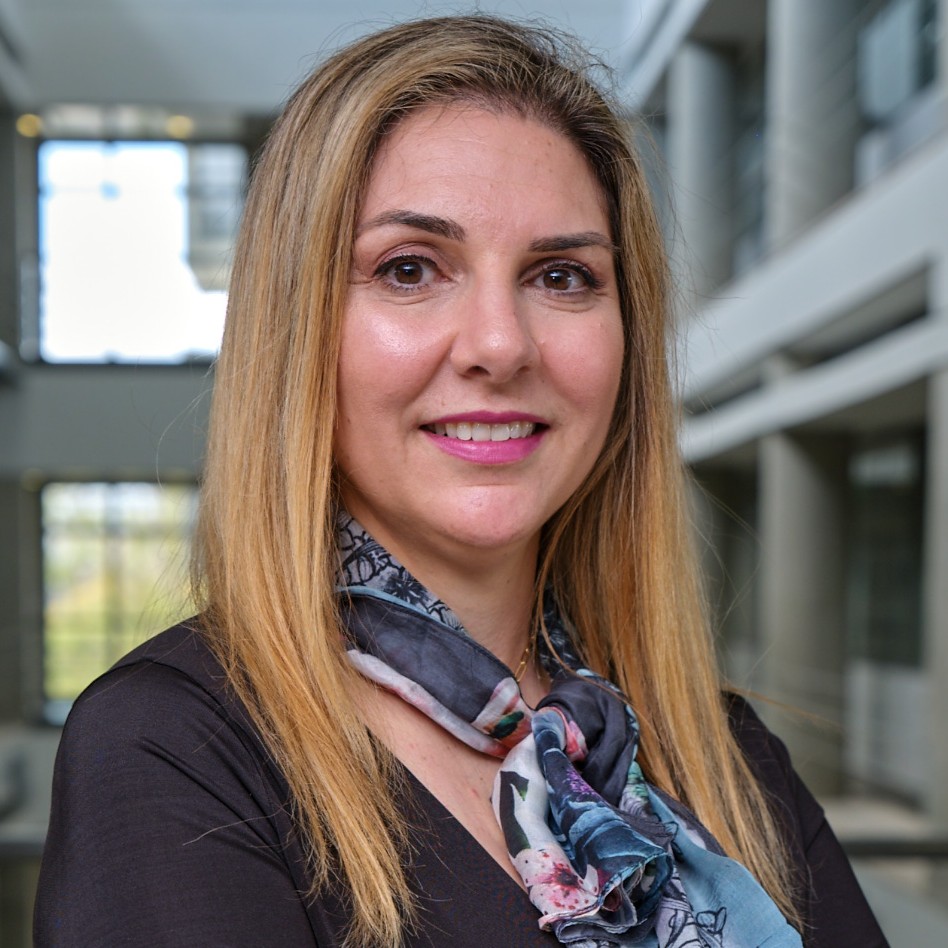 |  |
| Staci Martin, Ph.D. | Maria Karekla, Ph.D. | Rhonda Merwin, Ph.D. |
Workshop Description:
Many therapists will work with clients who have health conditions, such as diabetes, cancer, and chronic pain, whether or not they have specific expertise in this area. ACT is extremely well suited for people with health conditions who may experience a variety of physical symptoms like pain, weakness, fatigue, sleep problems, weight loss or gain, and more. How individuals interact with these experiences can have significant implications for the quality and longevity of their lives. Life may become centered around their condition, and/or disconnected from sources of meaning as individuals try to manage how they are feeling both physically and emotionally. Some people may also find it difficult to engage in health-promoting behaviors, for example, not participating in physical activity or taking medications as prescribed which while helpful for alleviating short-term emotional or physical discomfort, may increase suffering).
Several studies suggest that ACT is helpful for individuals experiencing a variety of medical conditions and for improving lifestyle behaviors (diet, exercise) (e.g., Levin et al, 2022; Konstantinou et al., 2023). Additional benefit may come from the use of digital or mobile technology to enhance treatment effects, intervene in-the-moment (just-in-time interventions) or facilitate at home-practice for more rapid skill acquisition and generalization.
This interactive pre-conference workshop combines didactic and experiential methods as well as opportunities for small group discussion and skills practice. Attendees will learn how to engage the 6 core ACT processes to increase effective coping with chronic illness, undermining unworkable behaviors and engaging values in the context of physical symptoms or physical limitations associated with health conditions. The presenters will outline an ACT and broader process-based approach to working with adolescents through adults with a wide variety of health conditions, including how to formulate cases, adapt interventions for maximum impact, and achieve behavior change. Presenters will discuss unique challenges and pitfalls that come with implementing this approach with people with complex conditions. Exercises and materials will be shared that can be implemented into one’s practice immediately to help clients live more fully with their condition and symptoms.
About the Workshop Leaders:
- Staci Martin, Ph.D.
Dr. Staci Martin is a clinical psychologist and peer-reviewed ACT trainer who has been working in medical settings for over 30 years. She is President Emeritus of the Mid-Atlantic Chapter of ACBS and previously chaired the ACBS Pain Special Interest Group and the ACBS Awards Committee. She also is a private ACT consultant and supervisor, and conducts trainings as an affiliate of True North Therapy and Training. She is a yearly guest lecturer on ACT at the George Washington University. At the National Cancer Institute in Bethesda, MD, she is the Clinical Director of the Health Psychology and Neurobehavioral Research Program, where her research focuses on ACT interventions for people with health conditions and their family members. Dr. Martin has authored over 85 publications in peer-reviewed journals, several of which have been selected as Editor’s Choice or Feature articles. Through her role at the NCI, she has received Special Act Awards for her expertise and leadership in the field of Acceptance and Commitment Therapy and the Outstanding Mentor Award. For the Journal of Contextual Behavioral Science, she served as Guest Editor-in-Chief (2021-2023) and is currently an Associate Editor. In addition, as an ACT expert, she has been an invited speaker throughout the U.S. and internationally and has been interviewed on several health-focused podcasts.
- Maria Karekla, Ph.D.
Maria Karekla, Ph.D., is a licensed clinical psychologist, peer-reviewed Acceptance and Commitment Therapy trainer, and Associate Professor, University of Cyprus, and heads the “ACTHealthy: Clinical Psychology and Behavioral Medicine” laboratory. Her research focuses on areas of health promotion and the investigation of individual difference factors (especially psychological flexibility parameters) as they relate to the development and maintenance of various behavioural difficulties, especially nicotine use and addiction. She also examines the treatment of these difficulties utilizing process-based and
Contextual Behavioral Science principles and innovative delivery methods (e.g., digital interventions, virtual reality) in line with precision and personalized medicine. This led to very successful digital interventions for which she received numerous local, European and international grants, and awards; among them the European Drug Prevention Prize by the Pompidou Group and the Council of Europe for innovative work in drug prevention with the active involvement of youth for the project ̈Smoking prevention and cessation in High schools and Technical schools in Cyprus. ̈ She is appointed by the Cyprus Minister of Health to the National Strategic Planning Committee for Mental Health and the National Advisory Committee for Tobacco Control, and the Board on Medically Assisted Reproduction and previously in the National Bioethics Committee. She served as the convenor of the European Federation of Psychology Associations’ (EFPA) Psychology and Health committee and is a member of the e-health task force. She is the immediate past-President of the Association for Contextual Behavioral Science (ACBS), from where she received the status of “Fellow” in 2019. In 2023 she became a fellow of the European Health Psychology Society and in 2021 by the Society of Behavioral Medicine, whereas in 2018 she was nominated as Cyprus “Woman of the Year: Academic/Researcher category.” She has published more than 140 peer-reviewed scientific articles, 13 chapters in edited books, 3 books, 4 technical reports and numerous papers in scientific conference proceedings. Her first psychotherapeutic children’s story book was nominated for the 2017 National Literary Awards (category Children/Adolescents) and for her illustrations for the book. She is active in scientific journal editorial boards (e.g., Journal of Contextual Behavior Science, Cognitive Research and Therapy). Moreover, she is a TEDx speaker and she has been hosted and interviewed for her work by numerous podcasts, newspapers, TV and radio stations nationally and internationally.- Rhonda Merwin, Ph.D.
Rhonda M. Merwin, PhD, is a Professor at Duke University and the Director of ACT at Duke, a research and clinical training program in Duke University's School of Medicine (SOM). She is also a Peer-Reviewed ACT trainer and a Fellow and past President of the Association for Contextual Behavioral Science (ACBS). Dr. Merwin has expertise in the mechanisms and treatment of problematic eating and weight control behaviors in the general population and in individuals with type 1 diabetes, and in the intersection between physical and mental health. Her research is funded by the National Institutes of Health (NIH) and Breakthrough T1D (formerly JDRF), and incorporates digital and mobile technology in assessment and intervention. Dr. Merwin is teaching faculty in Duke's SOM and trains psychiatry residents, medicine-psychiatry residents, psychology interns and clinical psychology graduate students in ACT and Process Based CBT.
Following this workshop participants will be able to:
- Identify common patterns of avoidance and fusion in chronic health or medical conditions
- Conduct a functional analysis of health or life-diminishing behavior and identify processes to engage based on the analysis
- Describe at least three ACT exercises adapted to meet the needs of chronic health / medical populations
- Evoke new responses to health or condition-related thoughts/feelings in session
- Summarize at least one research finding relevant to ACT interventions for health populations
- Identify at least two strategies to increase health-promoting behavior (e.g., movement, nutrition, medication-taking) outside of session personalized to the individual
- Use metaphor to shift how individuals are relating to their health conditions
- Describe approaching health conditions from a process-based therapy lens, including the implications of this focus within the digital age
- Discuss building patterns of values-based activity in the context of unchangeable health circumstances
- Discuss how technology can be utilized for personalizing assessment and intervention, focusing on how digital tools can enhance the therapy approach.
Target audience: Beginner, Intermediate, Advanced, Clinical
Components: Conceptual analysis, Experiential exercises, Didactic presentation, Case presentation, Role play
Topic Areas: Clinical, Behavioral medicine
Package Includes: A general certificate of attendance
CE Credit Hours Available (13 hours): CEs for psychologists, BCBA