Awards for 2026:
Aaron S. Luoma Fund for Global Equity

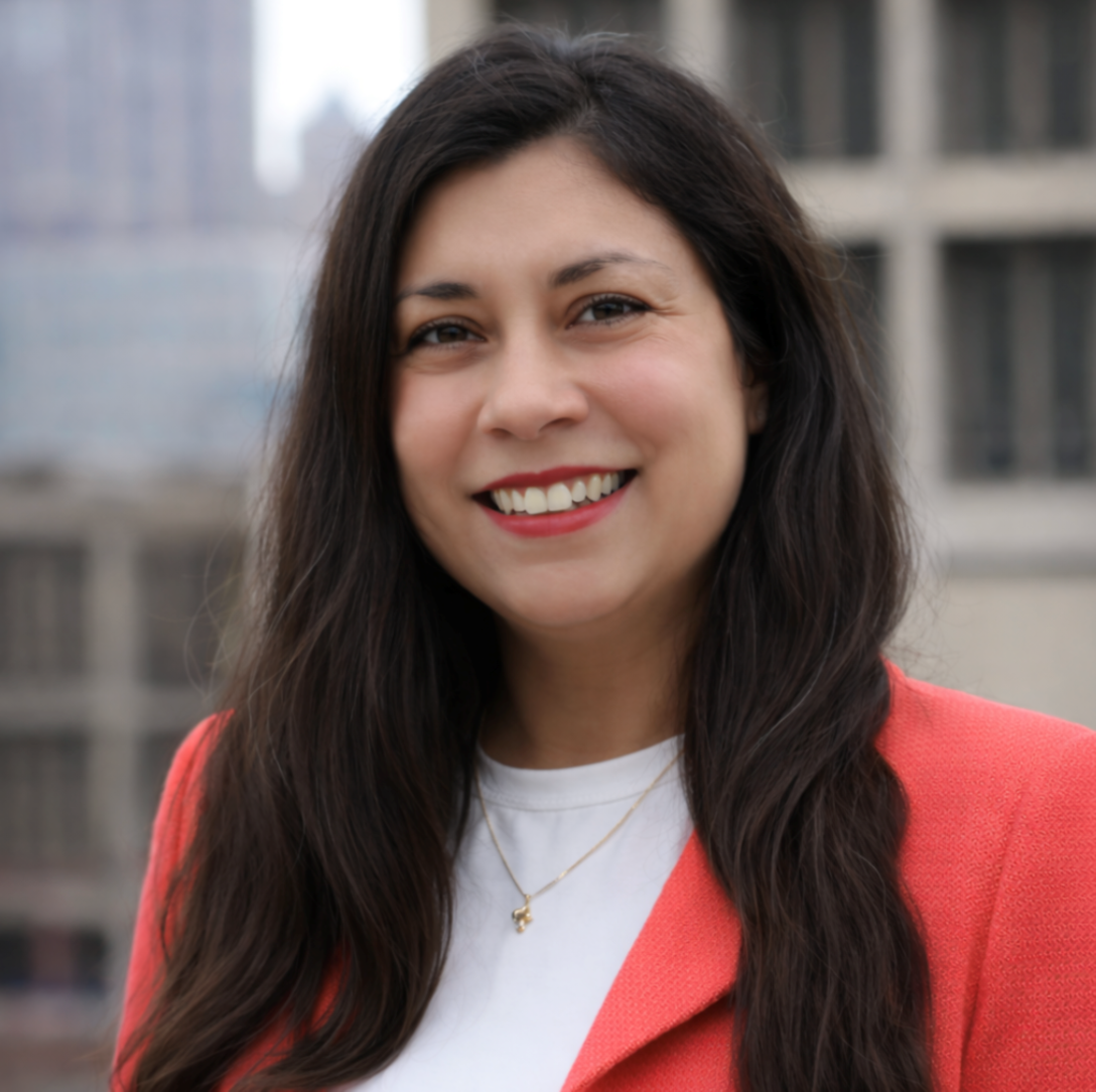
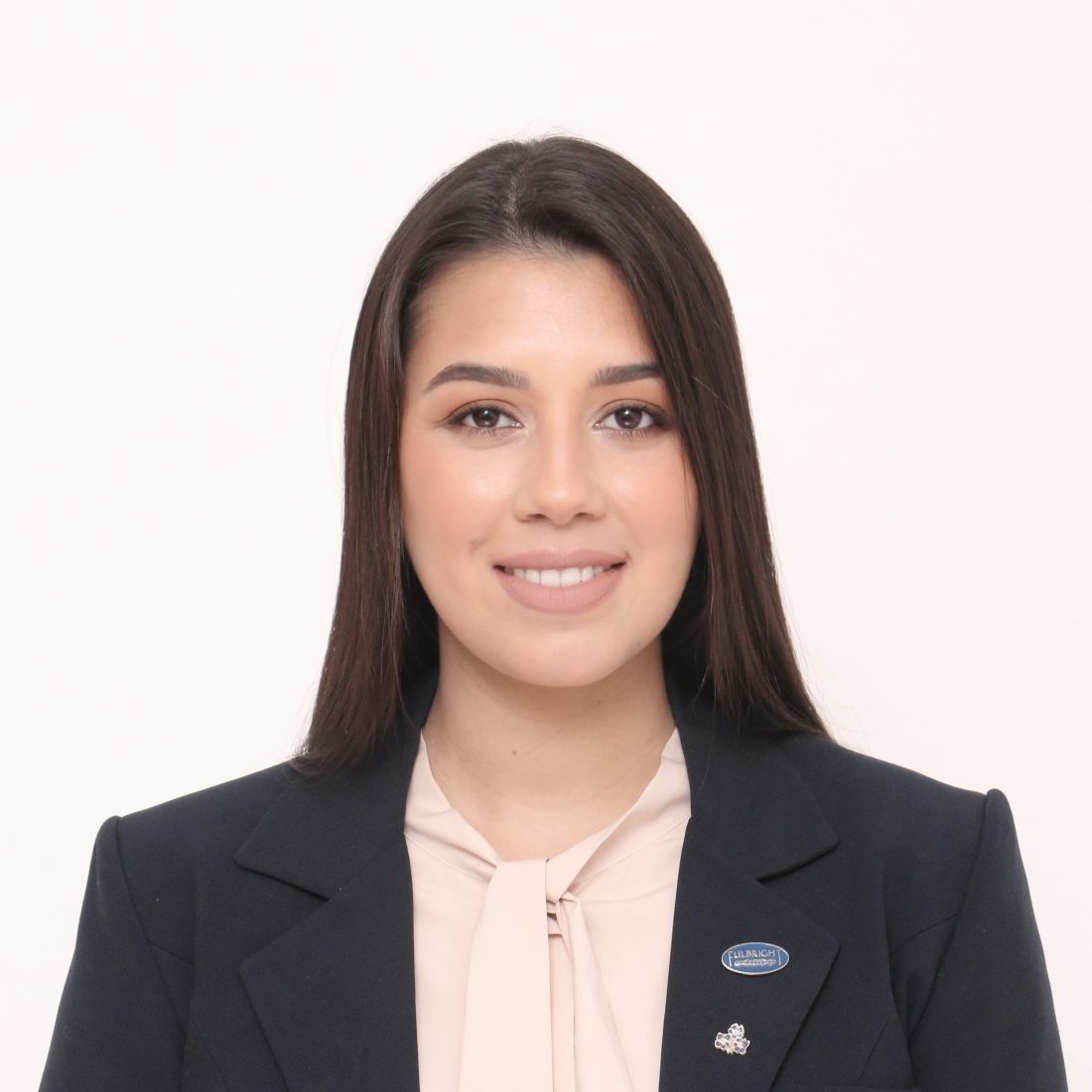
Sara Robayo, Universidad de los Andes and her co-investigators; Amanda Muñoz-Martínez (Universidad de los Andes), Anika Selena Ladamar Hernandez (Red Somos / Ministerio de Igualdad y Equidad), Tomas Serrano (Liga de Salud Trans), and Lina Quevedo Cerqueta (Liga de Salud Trans) are proud to be the recipients of the 2026 ACBS Foundation Grant - Aaron S. Luoma Fund for Global Equity to complete a research project for CONECTADES. A contextual co-designed program to foster social connection among Colombian Trans and Gender Non-Conforming individuals.
Social connection is a protective factor for physical and mental health of Trans and Gender Non-conforming (TGNC) individuals, who are at high risk for developing behavioral problems, and face countless experiences of prejudice linked to their gender identity. From a contextual behavioral perspective and minority stress theory, their chronic exposure to distal and proximal stressors may lead them to develop behavioral patterns of mistrust and isolation that prevent them from developing supportive relationships. Despite these disparities, there is a lack of empirical-based interventions tailored to TGNC individuals’ needs and contexts. Although contextual behavioral therapies show promising evidence for sexual and gender diverse populations, research with Latinx TGNC individuals remains scarce. To address this gap, we collaborative worked with three TGNC community co-researchers to explore how Colombian TGNC individuals experience social connection. Findings from this qualitative study informed the development of CONECTADES, a rooted contextual program tailored for this population. Through a pilot-randomized control trial, we aim to evaluate the feasibility and acceptability of CONECTADES, a contextual co-designed culturally sensitive intervention among Colombian TGNC individuals. Up to 40 TGNC participants will be recruited through convenience and snowball methods and randomized into the intervention and the waiting list group. The program sessions will be conducted in a four-hour in-person group format during three sessions by the PI and one co-researcher. Feasibility, adherence and acceptability will be assessed throughout the sessions; variables such as intimacy, loneliness, minority stress, etc. will be measured at pre- and post-intervention to provide preliminary evidence of potential changes. The results will be discussed considering the evidence. It is expected that this study will enable us to identify the key components to be included in a larger trial.
Foundation Grant
 |  |  |
Rocco Catrone, PhD, BCBA-D, IBA, CPACC, Visiting Clinical Assistant Professor, University of Illinois Chicago (UIC), and his co-investigators; Dr. Elizabeth Cambray (UIC), Betania Locati (UIC), Dr. Emily Gregori (UIC) and Stephanie Fernandez (UIC) are proud to be the recipients of the 2026 ACBS Foundation Grant to complete a research project: BST + ACT for Caregivers: A Relational ACT Protocol to Build Family Resilience.
This project evaluates the Behavioral Acceptance and Commitment Training (BACT), a program created by the lead applicant and code switched into Spanish by co-applicants. This program integrates Behavioral Skills Training (BST) of important skills with Acceptance and Commitment Therapy (ACT) to improve caregiver wellbeing and support Latine families of children with developmental disabilities in the Chicagoland area. This model emphasizes values-driven action, present moment awareness, and psychological flexibility of caregivers while teaching basic behavior-analytic repertoires to address relevant behavioral changes, led by their children.
This 12-month study will deliver the Spanish-language BACT protocol to 25 Latine caregivers in the Chicagoland area, specifically targeting families who currently do not receive behavioral services outside of their respective school systems. Participants will receive compensated access to this training across 8 interactions. We will analyze the program’s impact on caregiver stress, psychological flexibility, and engagement while also targeting essential behaviorally-based skills to assist in helping their children regulate in ways led by their child. Deliverables will include bilingual toolkits and on-demand training videos the caregivers can access at any time.
This work deepens contextual behavioral science by ensuring its tools are culturally and linguistically accessible to Latine families through behaviorally sound, universally designed caregiver training.
Lab Website here: https://blend-lab.com/
Robert J. Kohlenberg Research Award Grant

Wesley Malvini, MS, University of Missouri-Kansas City, and his co-investigator Daniel W. M. Maitland, Ph.D. (University of Missouri-Kansas City) are proud to be the recipients of the 2026 ACBS Robert J. Kohlenberg Research Grant to complete a research project: Awareness, Courage, and Love in Daily Life: A Process-Based Study of Alcohol and Psychological Partner Violence.
Intimate partner violence (IPV) is a serious and common public health problem and is most common among college students in romantic relationships. While physical violence often receives the most attention, psychological IPV, such as insults, manipulation, and controlling behavior, is the most frequently reported form and can have lasting emotional and psychological consequences. Alcohol use is one of the strongest predictors of IPV, yet we do not fully understand why alcohol increases risk in some moments but not others. Identifying changeable, real-time risk and protective factors is critical for effective interventions to reduce this type of IPV.
The proposed study will examine how moment-to-moment relationship behaviors influence the likelihood of psychological IPV, especially in situations involving alcohol. This project is grounded in Functional Analytic Psychotherapy mid-level targets for enhancing interpersonal intimacy: Awareness, Courage, and Love (ACL). Awareness involves noticing thoughts, emotions, and reactions; Courage involves expressing vulnerability and needs; and Love involves responding with care and understanding. These behaviors form the foundation of close, responsive relationships and align with the Intimacy Process Model of Intimacy. When these behavioral processes are disrupted, especially with high levels of cognitive fusion and experiential avoidance (i.e., psychological inflexibility) and fear of intimacy, conflict is more likely to escalate. Ecological momentary assessment allows college students in committed relationships who regularly consume alcohol to report experiences in real time using brief smartphone surveys, capturing relational processes in daily life rather than relying on recall.
Our goal is to identify specific, modifiable behaviors that can serve as practical treatment targets. By identifying how disruptions to ACL behaviors impacts alcohol consumption and psychological IPV, this research will inform future FAP-based interventions for psychological IPV. Ultimately, the work aims to strengthen FAP’s application to psychological IPV by promoting intimacy and flexibility, thereby reducing psychological harm and human suffering.
Robert J. Kohlenberg Research Award Grant
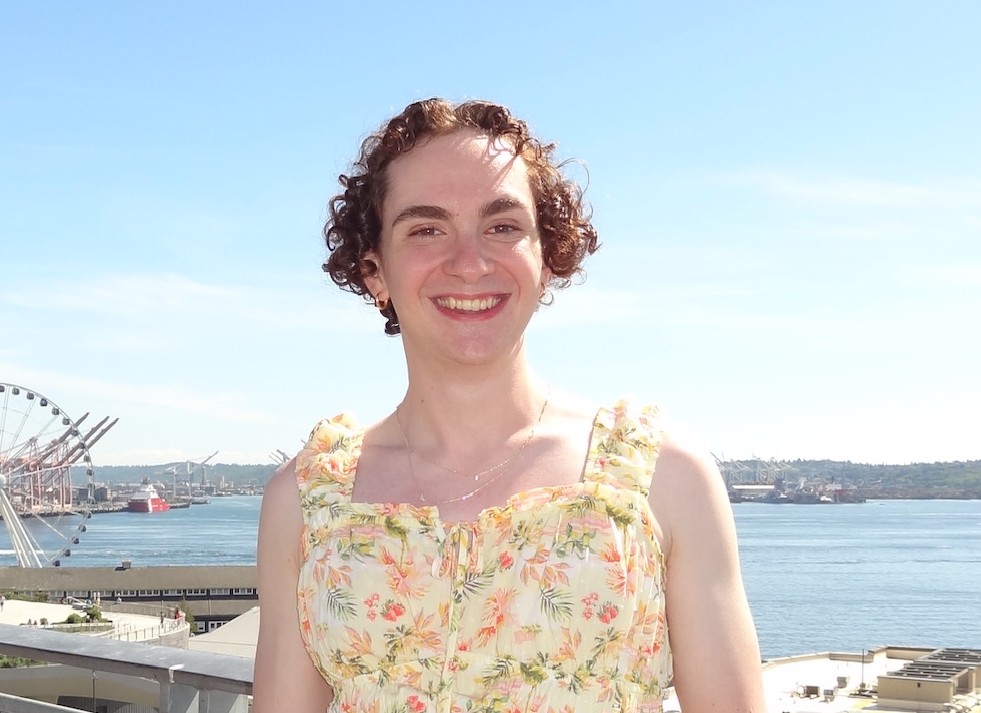
Logan Mattingly, University of Washington-Center for the Science of Social Connection is proud to be the recipient of the 2026 ACBS Robert J. Kohlenberg Research Grant to complete a research project: TraumACL: A Functional Analytic Psychotherapy Mixed Methods Pilot Intervention for Adult Survivors of Childhood Trauma.
Nearly two-thirds of U.S adults experience at least one Adverse Childhood Experience (ACE), with roughly 17% of adults experiencing four or more ACEs throughout their childhood. Though seemingly common to experience, high levels of ACEs have been linked to multiple negative outcomes across the lifespan. As more individuals continue to be exposed to traumatic events early in life, it’s important that we work to create supportive spaces and to facilitate recovery. One critical buffer against the impact of trauma is social connection, helping to reduce PTSD symptoms, foster resilience, provide safety, and more. The current study aims to investigate the impact social connection may have in supporting adults who have suffered from ACEs. We hope to create an intervention that works to both foster community and social support, as well as help participants address and heal from their adverse childhood experiences. The proposed project intends to utilize the Awareness, Courage, and Love (ACL) model, a group intervention distilled from the principles of Functional Analytic Psychotherapy. Through the completion of this study we hope to continue building upon the principles of Functional Analytic Psychotherapy, creating a community based intervention to both provide support and community to those who have experienced trauma, without the need for a trained clinician.