Grants & Scholarships
Grants & ScholarshipsACBS Foundation Grants
The ACBS Foundation is proud to support and fund projects that break new ground. Click the link above to learn about funding options.
ACBS Foundation Student Scholarship
The Foundation coordinates the awarding of student scholarships to attend and learn cutting-edge information about contextual science at the ACBS World Conference.
Read more about our previous Grant & Scholarship Recipients below.
ACBS Foundation Grants
ACBS Foundation GrantsThe ACBS Foundation aims to promote CBS projects around the world. With the goal of facilitating interventions that promote well-being, this funding mechanism is for ground-breaking projects that share this aim in the realms of interventions, training, and research (these projects are funded through the General Fund, or the Aaron S. Luoma Fund for Global Equity).
The Robert J. Kohlenberg Research Award will support graduate student, early or experienced career research focused on advancing knowledge and expertise in Functional Analytic Psychotherapy or its dissemination to the general public via the Awareness, Courage & Love Global Project.
Apply here to be a Volunteer Reviewer (note, applicants are ineligible to review)
Available Grants
4 | Funding Opportunities - Closing 1 March |
ACBS Foundation General Fund (projects of no more than $2,000 USD) | |
Aaron S. Luoma Fund for Global Equity (projects of no more than $2,000 USD) | |
Robert (Bob) J. Kohlenberg Research Award (FAP projects of no more than $5,000 USD) | |
Robert (Bob) J. Kohlenberg Research Award (FAP projects of no more than $5,000 USD; student/early career applications prioritized) | |
Value and Duration
- ACBS Foundation General Fund Grant will typically be awarded to projects of no more than $2,000 USD; however, larger projects will be considered based on their merits. Typical projects should be completed within 18 months of the award.
- ACBS Foundation Grant - LAMIC (Low, Lower Middle and Upper Middle Income Countries) is awarded to qualifying projects of no more than $2,000 USD annually. Projects must align with the goals and requirements of the Aaron S. Luoma fund for Global Equity.
- Robert J. Kohlenberg Research Award will be awarded to a project of no more than $5,000 USD. Typical projects should be completed within 18 months of the award. (2 awards available annually)
Conditions of Award
Awardees will be required to report their findings to the ACBS Foundation in the form of a brief written report. The results will be made public by the ACBS Foundation and the awardees are requested (but not required) to submit their project for presentation consideration (oral or a poster) at an ACBS World Conference.
Eligibility
For all applications, the principal investigator must be a member of ACBS at the time of submission.
Details for the Robert J. Kohlenberg Research Award may be found on the Award page.
For the Aaron S. Luoma Fund for Global Equity, working and residency requirements can be found here.
Ethics
All projects must consider ethical issues. If the primary applicant is employed at a university, institution of higher and further education, registered charity, research institute, and this is a research study, they must obtain Institutional Review Board (IRB) approval. If the project is applied or training-based, and the primary applicant does not work one of the above listed institutions that has an IRB, the applicant must include a statement in the application about how the ethical approach of the project is being independently reviewed for compliance with ethical guidelines of a relevant professional organization (e.g., https://www.apa.org/ethics/code or similar). These formal requirements must be met before the funds can be released, and a formal statement of attestation to adherence to ethical principles is required.
Foundation Grant Topics
In particular, we are looking to support and fund projects that break new ground. These could include - but are not limited to - projects focusing on climate change, interventions in hitherto untested populations, novel applications or modalities of interventions, projects focused on dissemination, projects that address public policy, projects that measure outcomes of training, projects that examine interventions in naturally occurring groups (prosocial), projects that have the potential to improve diversity, equity, and inclusion and/or address institutional racism, projects involving developing nations, refugees or other disenfranchised or marginalized people, projects that address biological correlates of CBS-relevant targets (multi-level approaches), or interventions using technology that would have a wide reach to help people in their natural contexts.
Funding Program Aims
The aim of these awards is to provide financial support for innovative and original projects of high quality and potential. The choice of theme and the design of the project rests entirely with the Principal Applicant). The applications will be judged both on fit with the call, scientific quality, originality, and potential to maintain the implementation (for applied projects) or to clearly and compellingly demonstrate how the project will be subsequently implemented in the real-world and the planned steps that will be taken to ensure this (for research projects). Funding will only be allocated for costs directly related to the proposed project (e.g., programming costs, participant payment, etc.). The grants will not provide salary support for the Applicant, but may be used to support staff engaged on the project. Institutional Facilities & Administrative expenses (indirect expenses) will not be covered.
Proposals are favored which:
● demonstrate compelling scientific excellence in the design and project plan;
OR
● involve projects that may not be easily funded at present by an alternative source;
AND
● surmount traditional disciplinary boundaries; involve projects which, if successful, are sustainable in the future and/or has the chance of obtaining additional funding in the future; include people early in their career; include diverse collaborators (if multiple investigators are included).
Grant Application Schedule
The grant call is open annually from 15 January – 1 March 1.
Grant Award Announcements by 1 June.
Grant Start Dates, by 1 September.
How to Apply
1. Read Instructions and create application document
2. Submit application here between 15 January and 1 March 1 17:00 GMT (10:30pm Delhi/ 5:00pm London/ 1:00pm New York).
- The same application will be used for all 4 grants.
- Additional Grant Details (Grant Policy)
Aaron S. Luoma Fund for Global Equity
Aaron S. Luoma Fund for Global EquityAaron S. Luoma Fund for Global Equity Mission
The Aaron S. Luoma Fund aims to advance global health, reduce global disparities, and promote global equity.
This fund is intended to support the application of CBS principles by individuals or organizations operating in or residing in low, low-middle and upper middle income countries.
Possible uses of this fund include (amongst others):
- scholarships for individuals to obtain CBS-related training (such through attending the ACBS annual conference)
- support of scientific research projects or research capacity building by investigators residing in low and low-middle income countries
- support for organizations or individuals located in low, low-middle and upper middle income countries to enable public health projects informed by CBS principles
About Aaron
Just because a person has died, their story doesn’t need to end. Aaron was one of the many people who walk this world as quiet revolutionaries, building bridges of love and compassion. He called himself a “citizen of the world” and identified with a global community above his identity as part of a particular nation, place, or group. Throughout his life, he worked to transcend geography, political borders, ethnicity, race, and other aspects of group identity. This fund is intended to continue that legacy.
Robert (Bob) J. Kohlenberg Research Fund
Robert (Bob) J. Kohlenberg Research Fund.jpg)
“My mission is to engage as fully and deeply as I can with the world—including interpersonal, cultural and physical realms. This includes: 1) striving to love ever more deeply and increasing the scope and intensity of my attachment to, caring for and benefiting others; 2) increasing my concern and involvement with solving sociopolitical problems; 3) passionately playing with ideas that foster creativity and intellectually challenging myself and stimulating others to do the same: and 4) learning about, deepening my understanding, and having hands-on involvement and connection to the physical and technological features of the world in which I live.” Robert J. Kohlenberg (1937-2021)
Dr. Kohlenberg was a dedicated member of ACBS from its inception. He co-conceptualized Functional Analytic Psychotherapy (FAP) in the 1980s, a “contextual, behavioral, relational approach to psychotherapy in which therapists focus on what happens in session between the client and therapist to shape the interpersonal behaviors, emotional awareness, and self-expression necessary for clients to create and maintain close relationships and to live meaningful liveslives” (Kohlenberg & Tsai, 1991; Tsai et al., 2009; Tsai, Callaghan & Kohlenberg, 2013).” This endowed fund honors the legacy of Dr. Kohlenberg’s pioneering work by continuing this spirit of inquiry.
The Robert J. Kohlenberg Research Award will support graduate student, early, or experienced career research focused on advancing knowledge and expertise in Functional Analytic Psychotherapy or its dissemination to the general public via the Awareness, Courage & Love Global Project. This grant is made possible through the generosity of Mavis Tsai and Barbara Kohlenberg.
Two awards are available annually to qualifying applications. Priority for one award each year is given to high quality student and early career research applications.
(For the Kohlenberg Award, the ACBS Foundation defines “graduate student and early career” for the purpose of this grant as a post-baccalaureate student seeking a degree in a field relevant to the purposes of the association, or an early career researcher as a person who completed their terminal degree within the past 7 years (or 10 years if you took time off for personal reasons such as family). An early career researcher includes individuals in current postdoctoral and faculty positions, as well as those in other employment positions.)
To learn more about Bob Kohlenberg’s life and legacy, please read the beautiful obituary published on Recompose.
To contribute to the Robert J. Kohlenberg Fund, click the donate button below:
ACBS Foundation Student Scholarship
ACBS Foundation Student ScholarshipA goal of the ACBS Foundation is to support existing activities within ACBS. The ACBS Foundation Student Scholarship will enable students to attend the annual ACBS World Conference. The scholarship will cover the full student conference registration fee. To read more about the ACBS Foundation or donate to the Foundation click here.
Award Recipients:
ACBS World Conference 2026 - Lyon, France
• Mubeena Munir, University of the Punjab
• Eleana Lamprou, University of Cyprus
ACBS World Conference 2025 - New Orleans, USA
• Andrés Beltrán, Western Michigan University
• Amanda McGovern, Rivier University
ACBS World Conference 2024 - Buenos Aires, Argentina
• Paula Rodríguez, Fundación Universitaria Konrad Lorenz
• Ezaeza Gaby Sanz Galvan, Edge Hill University
ACBS World Conference 2023 - Nicosia, Cypress
• Yass Radd, City University of London
• Xu Wang, Chinese University of Hong Kong
ACBS World Conference 2022 - San Francisco, USA
• Zacharias Christensen, University of Copenhagen, Denmark
• Jiayin Ruan, The Hong Kong Polytechnic University, China
ACBS Virtual World Conference 2021
• Jin Xiaohuan, The Chinese University of Hong Kong, China
• Pinelopi Konstantinou, University of Cyprus, Cyprus
ACBS World Conference 2020
• Nadina Pantea, Babeș-Bolyai University, Romania
• Alison Stapleton, University College Dublin, Ireland
Requirements:
Nominees must be:
- Student members of ACBS in good standing (i.e., membership dues are up to date);
- Currently enrolled as a student in an undergraduate or graduate program;
- Presenting a poster, a paper as part of a symposium, or IGNITE presentation. Please note that these submissions MUST be submitted by February 15, even though the general poster submission deadline is later for the conference. (In the event that your oral/symposium presentation is not accepted, scholarship recipients will be guaranteed a poster acceptance on the same topic/research.)
- Willing to write a brief report highlighting the benefits to my work/study that I received from attending the ACBS World Conference. This write up may be used by the ACBS Foundation for promotional purposes.
We encourage applications from first time ACBS conference attendees, students from under-represented groups in ACBS (e.g. developing nations), and students who demonstrate financial need. We define “financial need” as including one or more of the following, but understand that there might be other examples:
- Your school will not provide any reimbursement or funding for this trip. You are funding this trip 100% by yourself.
- You have recently gone through personal situations that have put a strain on you financially.
- You do not have student assistantships (i.e., paid Teaching Assistant or Research Assistant appointments). You are funding all of your studies with student loans and/or working other jobs outside of school.
- You live in a developing nation where financial resources are scarce.
This scholarship must be used in in the year awarded and can not be delayed to future years. This scholarship may only be used to offset the main conference registration fees (the scholarship may not be applied to any other expense). If an individual is awarded more than one scholarship in the same conference year, the total value of all scholarships may not exceed the total cost of the ACBS World Conference registration fee.
Previous Foundation Student Scholars
Previous Foundation Student ScholarsClick here for more information and to apply.
Previous Award Recipients can be found below.
2020 ACBS Foundation Student Scholar
2020 ACBS Foundation Student ScholarACBS World Conference 2020 - Alison Stapleton, University College Dublin
"As a self-funded PhD student with a passion for knowledge transfer and exchange, receiving the ACBS Foundation Student Scholarship gave me space to fully engage in the ACBS World Conference. Rather than having to divide my time between conference participation and my fulltime job, the ACBS Foundation Student Scholarship allowed me to focus fully and connect with the values underlying my participation in ACBSWC18, namely dissemination, collaboration, and fun. Thanks to the ACBS Foundation Student Scholarship I was able to present two posters, an IGNITE, an oral presentation, AND my first ever Folly! I have benefitted immensely from the ACBS Foundation Student Scholarship both personally and professionally, having formed new connections with labs around the world and also received insightful feedback on my current research. The ACBS Foundation Student Scholarship took my ACBSWC18 experience to the next level, allowing me to immerse myself fully without needing to worry financially.
ACBS is dedicated to supporting all its members and I can honestly say that the ACBS Foundation Student Scholarship gave me the springboard I needed as an early career self-funded researcher."
2021 ACBS Foundation Student Scholars
2021 ACBS Foundation Student ScholarsAward Recipients for the ACBS Virtual World Conference 2021: Jin Xiaohuan, The Chinese University of Hong Kong, China and Pinelopi Konstantinou, University of Cyprus, Cyprus
The goal of the ACBS Foundation is to support existing activities within ACBS and explore areas for future development. One step in moving towards this goal has been to create the ACBS Foundation Student Scholarship, which provides two outstanding students complimentary registration to attend the ACBS World Conference.
Jin Xiaohuan, The Chinese University of Hong Kong, China 
"As a PhD student from China which is classified as upper-middle-income economies, I am very grateful to receive ACBS Foundation Student Scholarship. The scholarship is not only as financial support to fund my registration fee to fully engage in the ACBS World Conference, but also as spiritual support to encourage me to keep my passion in CBS research and clinical practice.
The ACBS Foundation Student Scholarship gave me an opportunity to fully focus on ACBS Virtual conference 2021, in which I have learned a lot regarding the theories, techniques, delivery methods and effective tools of ACT in a series of settings for a series of different populations. I have met so many excellent experts in ACT, RFT and CBS. With this opportunity, I was able to present an oral presentation related to ACT with parents of children with health conditions and communicate with other scholars in this field.
The ACBS Virtual conference 2021 funded by the ACBS Foundation Student Scholarship benefitted me a lot, taking my knowledge, skills, and insight of ACT to a new level, which will continue to help my research program. It also provided a platform to meet so many expert scholars from all over the world."
Pinelopi Konstantinou, University of Cyprus, Cyprus 
It was my honour to be awarded for the ACBS Foundation Student Scholarship to attend the ACBS World Conference 2021. The ACBS Foundation Student Scholarship helped me to fully engage in the ACBS conference and thus expand my knowledge on ACT and improve both as a clinical psychologist and a researcher. I have benefitted immensely from the ACBS Foundation Scholarship as I was able to present a poster on providing recommendations to other professionals who are interested in conducting digital-based research. I received useful feedback and insight on my research, and I had the opportunity to build my professional network by connecting with experienced clinicians and researchers in ACT.
Thanks to the ACBS Foundation Student Scholarship I was able to attend to a wide variety of symposiums, workshops and panels, and I left fully inspired with many new ideas for future studies in health and clinical psychology. As an early-career and self-funded researcher, the ACBS Foundation Scholarship helped me to expand my knowledge and improve my clinical and research skills, and I am confident that the ACBS community can keep me motivated throughout my career.
2022 ACBS Foundation Student Scholars
2022 ACBS Foundation Student ScholarsAward Recipients for the ACBS World Conference 2022: Zacharias Christensen, University of Copenhagen, Denmark and Jiayin Ruan, The Hong Kong Polytechnic University, China
The goal of the ACBS Foundation is to support existing activities within ACBS and explore areas for future development. One step in moving towards this goal has been to create the ACBS Foundation Student Scholarship, which provides two outstanding students complimentary registration to attend the ACBS World Conference.
Jiayin Ruan, The Hong Kong Polytechnic University, China
It was my great honor to be awarded for the ACBS Foundation Student Scholarship. As a PhD student who is a novice but quite interested in Acceptance and commitment therapy (ACT), the ACBS Foundation Student Scholarship not only served as a financial support for me to fully engage in the ACBS World Conference 2022, but also as an encouragement and support for me to keep my passion in ACT related studies and clinical practice.
During these unforgettable conference days, I learned a lot related to Contextual Behavioral Science (CBS), ACT, Relational Frame Theory, clinical behavior analytic assessment, bringing compassion to life in the therapy, using ACT and compassion-based skills, fidelity training, empowering the flexibility, using contextual behavioral principles, and so on. The information of various programs and workshops was so impressive, valuable, and useful! I also benefited a lot while discussing with scholars around the world.
The ACBS Foundation Student Scholarship 2022 provided me a valuable opportunity to enter the ACBS research and practice. Meanwhile, this chance deepened my understanding of ACT and other CBS related knowledge and skills. I am confident that this unforgettable experience not only helps my research program, but also keeps me motivated throughout my ACT career.
Zacharias Christensen, University of Copenhagen, Denmark
2023 ACBS Foundation Student Scholars
2023 ACBS Foundation Student ScholarsAward Recipients for the ACBS World Conference 2023: Yass Radd, City University of London and Xu Wang, Chinese University of Hong Kong.
The goal of the ACBS Foundation is to support existing activities within ACBS and explore areas for future development. One step in moving towards this goal has been to create the ACBS Foundation Student Scholarship, which provides two outstanding students complimentary registration to attend the ACBS World Conference.
Xu Wang, Chinese University of Hong Kong
 I would like to express my sincere gratitude to ACBS for awarding me the 2023 ACBS World Conference student scholarship. This financial assistance not only enabled me to attend the conference but also exemplified ACBS's commitment to supporting young researchers and students in their pursuit of knowledge and professional development. During the conference, I had the privilege of delivering an oral presentation on a systematic review of compassion-based interventions for parents of children and adolescents with chronic health conditions. This experience allowed me to contribute to the field and share my findings with fellow researchers and practitioners.
The 2023 ACBS World Conference encompassed a diverse range of symposiums, workshops, and panels. I had the invaluable opportunity to learn about theories and techniques about compassion from the founders of compassion-focused therapy, as well as gain insights from clinical experts and scholars on the application of compassion-based interventions in various populations. Additionally, I acquired knowledge and skills related to acceptance and commitment therapy, which will undoubtedly enhance my future research and clinical practice. The chance to connect with experts in the field and learn from their experiences was truly transformative.
Participating in the 2023 ACBS World Conference was an enriching experience that expanded my knowledge and deepened my appreciation for contextual behavioral science. The opportunity to present my research, engage in meaningful discussions, and learn from esteemed professionals in the field has been truly invaluable. I look forward to applying the knowledge and skills gained from this conference to further my research and make a positive impact on the lives of parents and children affected by chronic health conditions.
Yass Radd, City University of London
Attending and presenting at the ACBS 2023 World Conference in Cyprus was a truly great experience. Being a year into my part-time PhD at the time, it is sometimes difficult to feel fully immersed in the research and literature. My attendance at the conference gave me the chance to get up to date with the current research being carried out as well as consider the future of contextual behaviour science.
Getting involved by presenting my own research as part of a symposium was very rewarding and the new connections and friends I made were invaluable. I left feeling refreshed, inspired, and ready to continue research into ACT interventions. I am grateful of the support and opportunity to have attended my first ACBS conference and hope to attend many more in the future.
2024 ACBS Foundation Student Scholars
2024 ACBS Foundation Student ScholarsAward Recipients for the ACBS World Conference 2024: Paula Rodríguez, Fundación Universitaria Konrad Lorenz and Ezaeza Gaby Sanz Galvan, Edge Hill University
The goal of the ACBS Foundation is to support existing activities within ACBS and explore areas for future development. One step in moving towards this goal has been to create the ACBS Foundation Student Scholarship, which provides two outstanding students complimentary registration to attend the ACBS World Conference.
 Paula Rodríguez - Bogotá, Colombia
Gaby was unable to attend the conference.
2025 ACBS Foundation Student Scholars
2025 ACBS Foundation Student ScholarsAward Recipients for the ACBS World Conference 2025: Andrés Beltrán, Western Michigan University and Amanda McGovern, Rivier University.
The goal of the ACBS Foundation is to support existing activities within ACBS and explore areas for future development. One step in moving towards this goal has been to create the ACBS Foundation Student Scholarship, which provides two outstanding students complimentary registration to attend the ACBS World Conference.
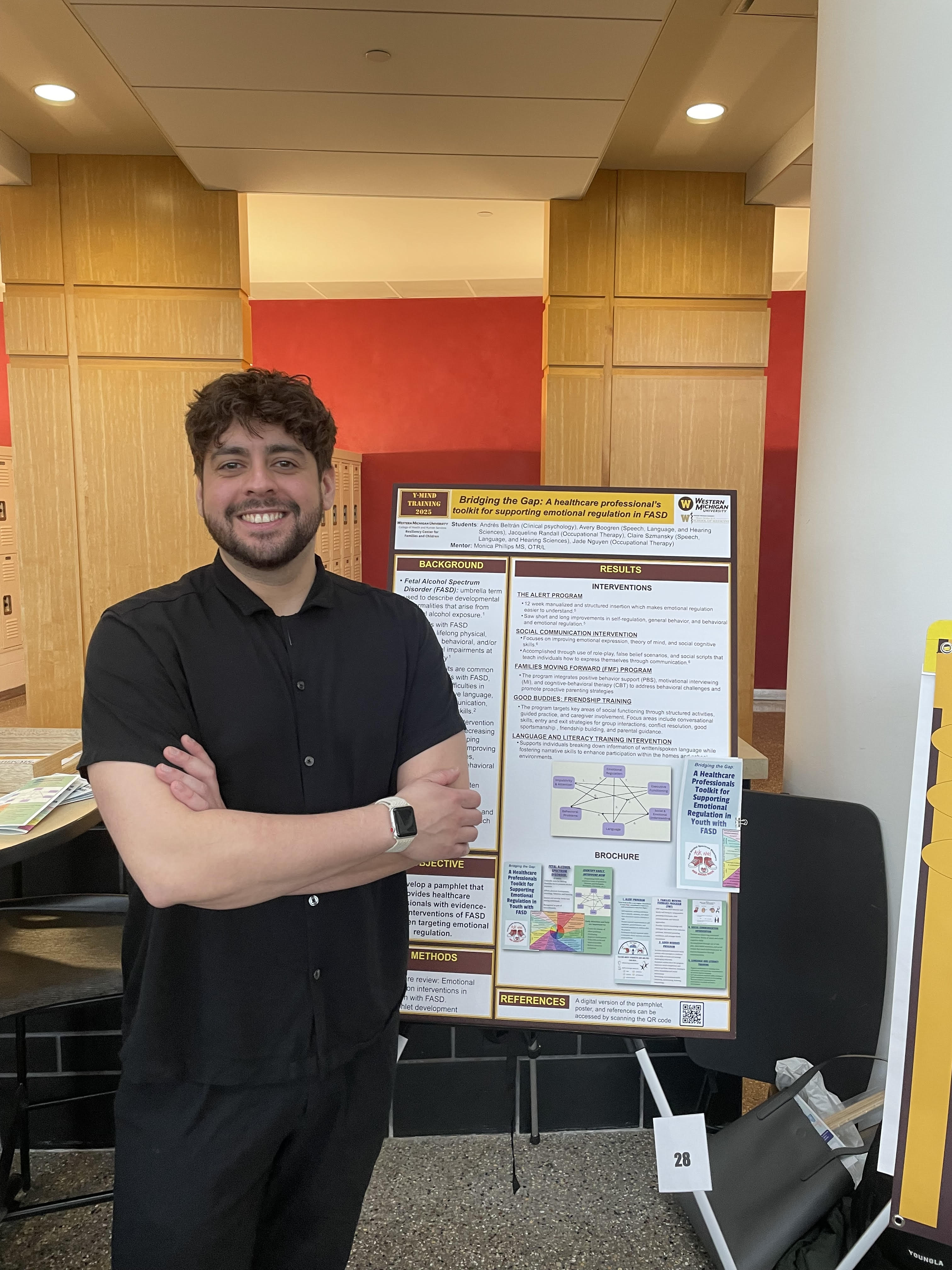
Andrés Beltrán, Michigan, USA
I am originally from Chile, and attending and presenting at the ACBS Conference was a profoundly inspiring and transformative experience. The ACBS Foundation Student Scholarship represented far more than financial assistance. For students from middle-income economies, like myself, this support plays an important role in reducing economic barriers that often limit access to international academic spaces. By doing so, the scholarship actively promotes equity, inclusion, and global representation within the contextual behavioral science community.
This opportunity allowed me not only to attend the conference, but to truly engage with it, to exchange ideas, build meaningful professional relationships, and connect with colleagues and leading scholars from around the world who share a deep commitment to contextual behavioral science. I carry with me many incredible memories from the New Orleans conference, moments of learning, connection, and inspiration that I will deeply cherish. I look forward to building many more meaningful experiences alongside the contextual behavioral science community in the years to come.
After participating in the conference, my conviction has become even stronger that contextual behavioral sciences offer an effective pathway for improving psychological treatments and, ultimately, for alleviating human suffering. I am deeply grateful to the ACBS Foundation for this scholarship, which made my participation possible and affirmed the importance of supporting diverse voices in our shared scientific mission.
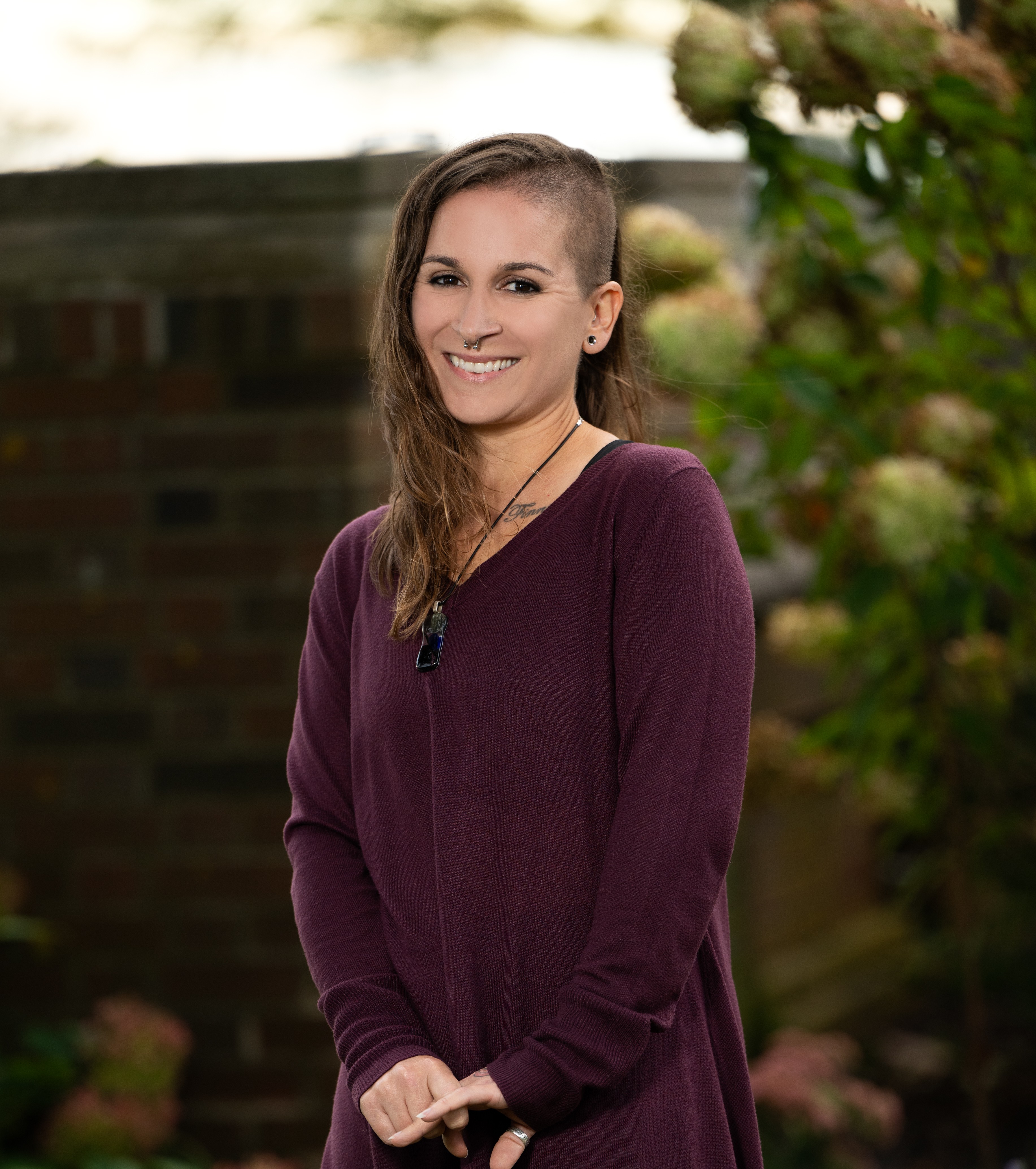
Amanda McGovern, Massachusetts, USA
I am deeply grateful to the ACBS Foundation for awarding me the Student Scholarship to attend the 2025 ACBS World Conference. Returning to doctoral training later in my career was a deliberate decision rooted in my commitment to expanding access to identity and neuroaffirming care, particularly for individuals and communities with limited financial means. I also hold a clear awareness of the privilege inherent in being able to pursue doctoral education at all, even while navigating significant financial constraints myself, and I see it as my ethical and human obligation to amplify the reach of any privilege I have beyond myself.
Scholarships such as this do far more than provide financial support; they help ensure that professional spaces remain enriched by a diversity of lived experiences, perspectives, and voices. Without this kind of intentional support, conferences of this caliber risk becoming accessible only to a narrow segment of the field. ACBS has consistently been a professional home where I have not only been able to attend but to build meaningful connections, engage with emerging research, and come away with new ways of thinking that directly inform my clinical work. I am profoundly appreciative of this opportunity and remain committed to paying it forward as I continue my work and mentorship within the field.
2026 ACBS Foundation Student Scholars
2026 ACBS Foundation Student ScholarsAward Recipients for the ACBS World Conference 2026: Mubeena Munir, University of the Punjab and Eleana Lamprou, University of Cyprus
The goal of the ACBS Foundation is to support existing activities within ACBS and explore areas for future development. One step in moving towards this goal has been to create the ACBS Foundation Student Scholarship, which provides two outstanding students complimentary registration to attend the ACBS World Conference.
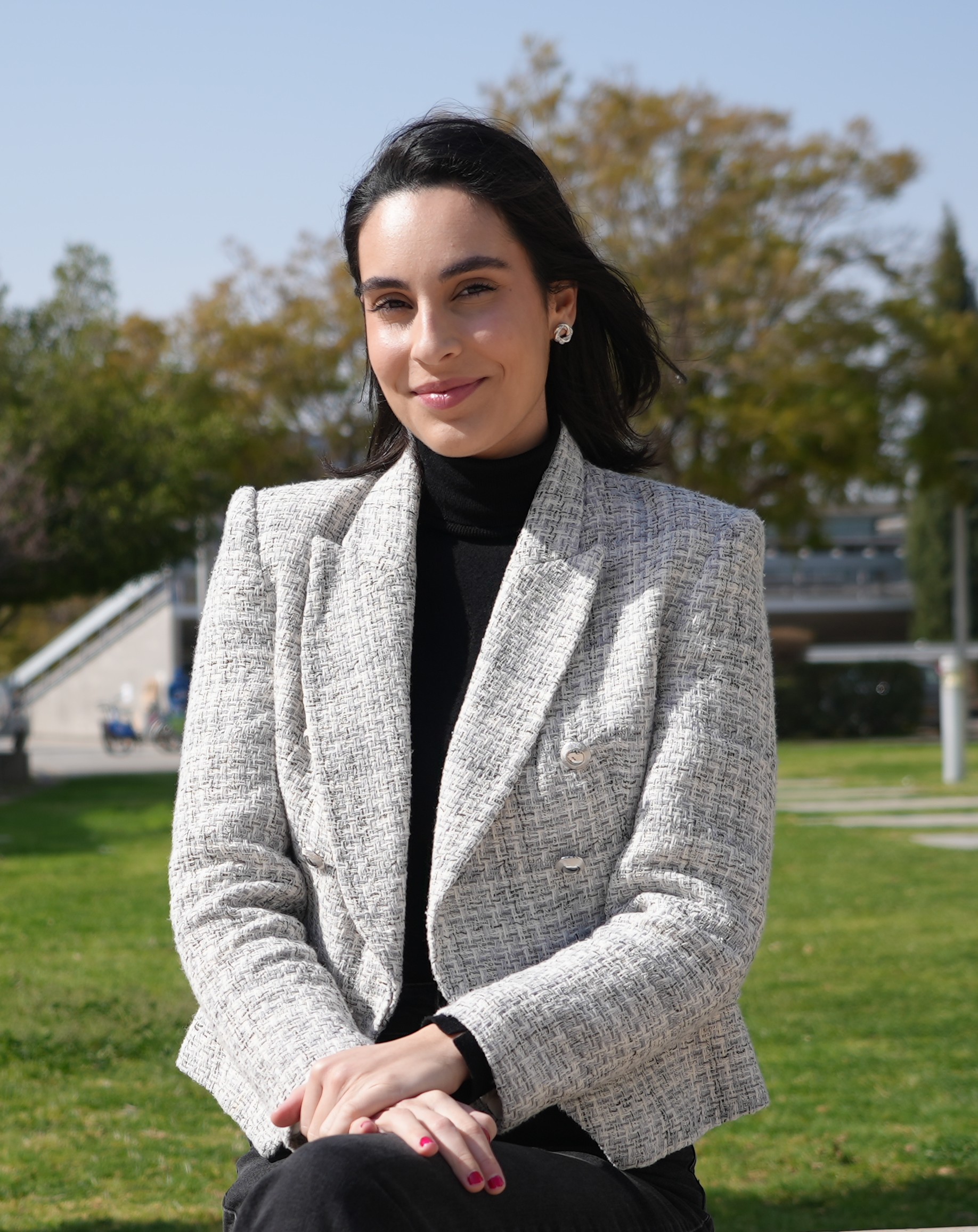
Eleana Lamprou, Cyprus
Mubeena Munir, Pakistan - unable to attend
Previous Grant Recipients
Previous Grant RecipientsClick here for more information and to apply
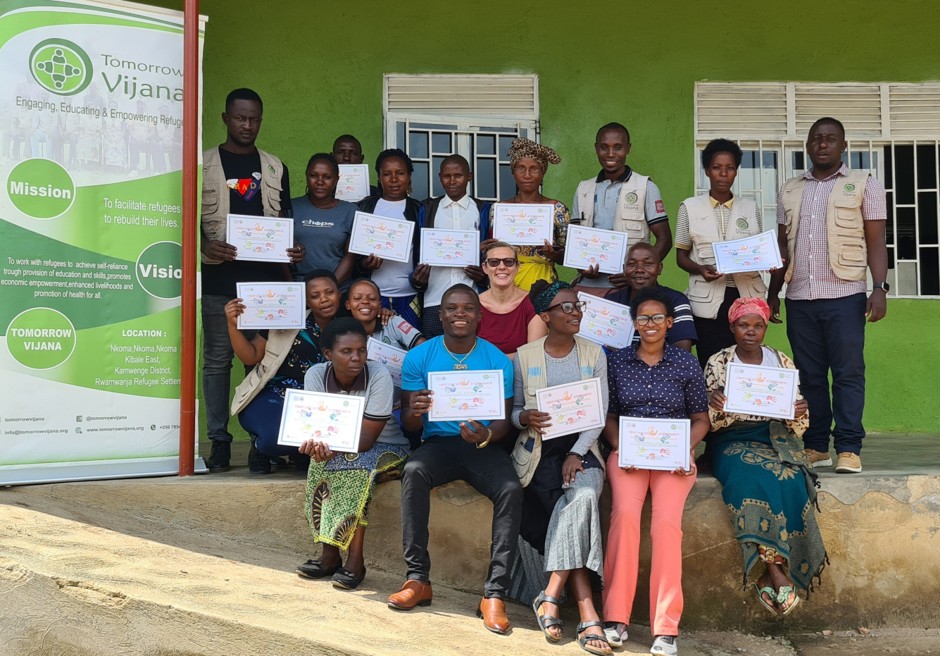
Mighty Children facilitators on final day of training
(learn more about their ACBS Foundation Grant funded project here)
All Previous Grant Recipients can be found below.
2021 ACBS Foundation Grant Awardee
2021 ACBS Foundation Grant Awardee2021 Grant Recipient:
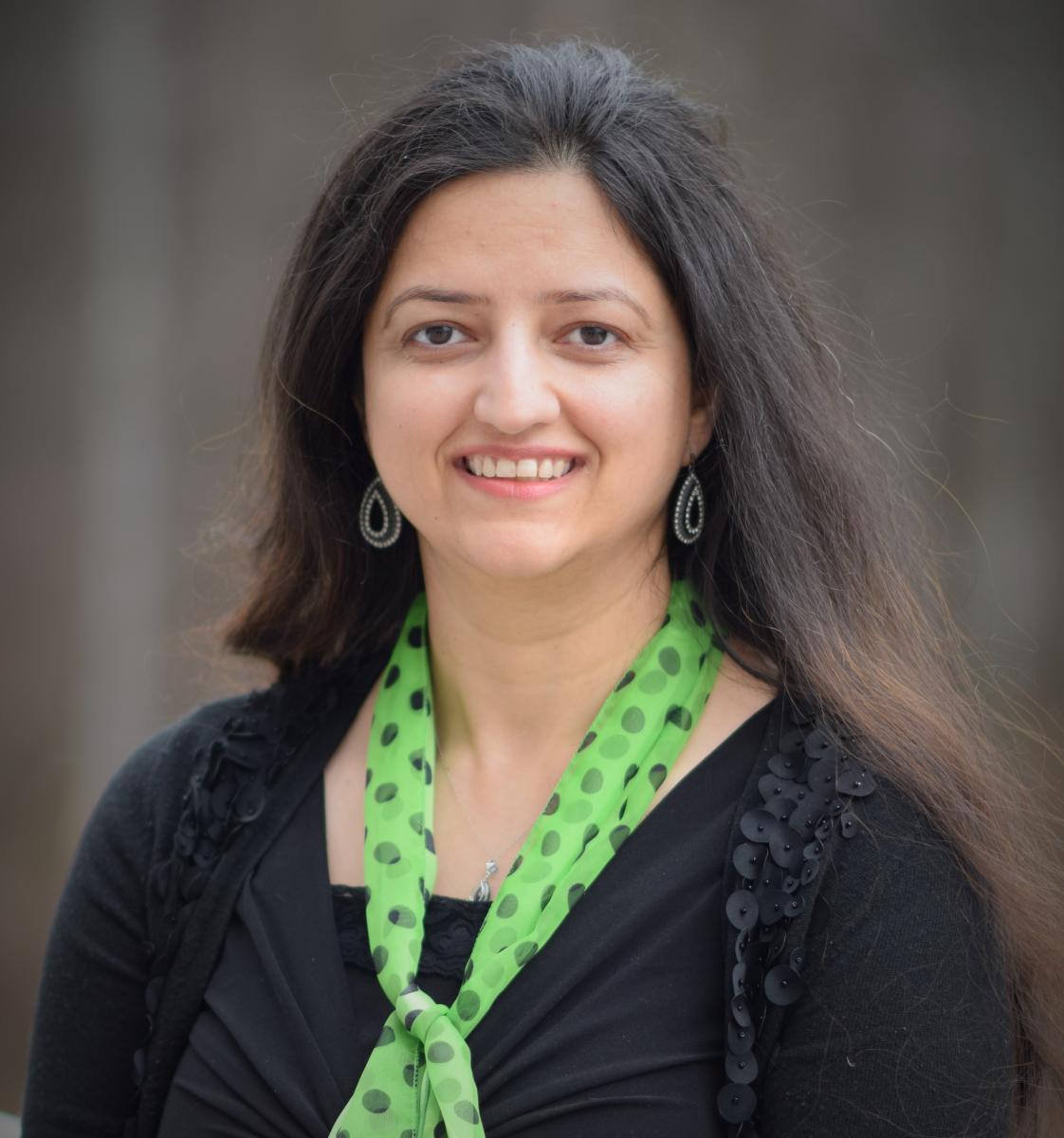
Maria Hamdani, University of Akron (USA) and her colleagues (Dr. Vickie Coleman Gallagher, Dr. Grace H. C. Huang and Dr. Kelly Yu-Hsin Liao) are proud to be the recipients of the first ACBS Foundation Grant for their research on Psychological Flexibility and Adaptive Job and Family Behaviors of Resettled Syrian and Ukranian Refugees in USA.
"Unlike past studies of refugee experiences, our study examines the role of psychological flexibility in transition issues at the advanced stages of refugee work and family life in their new country. This grant will extend our ongoing research to support refugee wellness, self-determination, employment success, and their family's overall health and wellbeing. As researchers across the College of Business Administration, College of Education, and Department of Psychology, the Foundation Grant will strengthen our collaboration between the two universities and the local resettlement agencies, to build a holistic view of the refugee crisis, support the community, and attract additional funding resources for future research,"---Dr. Hamdani
2022 ACBS Foundation Grant Awardee
2022 ACBS Foundation Grant Awardee2022 Grant Recipient:
Wenqian ZHAO, PhD Candidate of The Chinese University of Hong Kong (Hong Kong SAR, China) and her supervisors (Prof. Wai Tong CHIEN and Prof. Yuen Yu CHONG) are proud to be the recipients of the 2022 ACBS Foundation Grant for Miss ZHAO’s PhD research on Effectiveness of online ACT-based program for breast cancer survivors on improving body image disturbance.
"We combined the nursing techniques (i.e., health education) with ACT techniques in our intervention to examine the effectiveness of ACT-based intervention on improving body image disturbance of breast cancer survivors. This grant will support our ongoing research to help breast cancer survivors on improving their perceived body image, emotional problems and dysfunctions during the treatment and/or rehabilitation. As a video-conferencing program, the Foundation Grant will strengthen feasibility and acceptability of the intervention (especially the internet utilization) during the whole research, to establish an accessible, sustainable online platform for telemedicine nursing service; promote the physical, psychological and social rehabilitation of breast cancer survivors; and attract more attention and funding resources for future research on those patients and also other populations with the similar body image concerns."
Grant Report - October 2023
Objectives:
This study aimed to assess the immediate (T1) and three-month (T2) post-intervention effectiveness of a video-conferencing Acceptance and Commitment Therapy (ACT)-based group intervention program, conducted in real-time, on improving body image disturbance among breast cancer survivors. The intervention program was compared to a control group receiving breast cancer education only. The specific objectives of the study were to evaluate the effectiveness of the video-conferencing ACT-based group intervention program on the following outcomes at T1 and T2:
- Perceived body image, including measures of body dissatisfaction and body appreciation.
- Psychological flexibility, which refers to the ability to adaptively respond to internal experiences and engage in values-based actions.
- Body image-related emotions, encompassing depressive and anxiety symptoms.
- Body image-related dysfunctions, including sexual function and overall quality of life.
Outputs and Deliverables:
With the support of this grant, Dr. ZHAO completed the main RCT in her Ph.D. programme in Feb 2023. A PhD thesis containing the findings in this RCT was completed and submitted to the Chinese University of Hong Kong in July 2023.
The results showed no significant interaction effects in overall and all dimensions of body dissatisfaction, body appreciation, depressive and anxiety symptoms, and psychological flexibility in both the ITT and PP analyses. Only a significant interaction effect was found in the orgasm dimension of sexual function in PP analysis at three-month post-intervention and the general social well-being dimension of quality of life in ITT analysis at immediate post-intervention when compared with the control group. These non-significant results were likely to be explained by 1) the lack of involvement of their significant person (e.g., partner) that had impacts on the participants' body image, 2) the additional psychological burdens caused by the COVID-19 pandemic, 3) stigma and avoiding attitudes to mental problems in Chinese culture; and 4). weakness in group counselling skills of the interventionist.
We are preparing a manuscript of this RCT for publication to an international peer-reviewed journal. The abstract of this manuscript is going to be submitted to the coming 2024 ACBS world conference.
Impact and benefits to the researchers, CBS, and society at large?
This project demonstrates the advantages of multidisciplinary cooperation. The experts engaged in the intervention development of this project include psychotherapists, oncologists, and nurses. Their valuable advice and participation provided different angles to observe the same question, increasing the feasibility and acceptability of our intervention protocol.
In this project, students participated and were encouraged to apply CBS to more fields. For example, two research assistants (undergraduate students) expressed great interest in CBS and would like to design a CBS-based programme as their master's projects in hypertension and diabetes patients: "Psychological flexibility may help patients maintain health-promoting behaviours with less stress and worries. "
Clinical nurses who participated in our program were also encouraged to receive related CBS training, for example, mindfulness therapy and use these strategies in their daily work: "I have been trying to help patients ease their pre-surgery anxiety through conversations, but it doesn't seem to work. Maybe I can try taking them with me to do mindful breathing and meditation exercises in the future. "
In addition to patients, their families also received help from our health booklets and expressed willingness to do CBS exercises together: "I read the booklets you gave my mother and I feel like some of the exercises are perfect for us to do together. This can help me understand more about her inner thoughts and feelings. I thought I could do something for her too. "
For the development and extension of CBS, this project provides evidence and support for nurses on the feasibility of applying CBS-based approaches in their areas, such as oncology nursing care. Supervised by the supervisors and ACT trainer, the self-rating ACT Core Competency score of Dr. ZHAO (i.e., registered nurse) ranged from 4.0 (i.e., Distinguishing the Conceptualized Self from Self-as-context) to 6.5 (i.e., Defining Valued Directions). This demonstrated a medium level of intervention competency of a nurse in implementing a group ACT-based intervention, which was feasible to reach significant intervention results but needed further improvement in more practices. We also recommended involving psychotherapy and psychoeducation in the oncology nursing speciality training to provide mental health care and support.
For society at large, this project attracted more attention from not only the patients themselves, but also the medical workers, families, and even society such as workplaces to breast cancer patients' body image problems. On the one hand, breast cancer patients pay more active attention to and improve their mental health and can achieve comprehensive physical and psychological recovery better and faster. On the other hand, this can help promote related research and policies, such as how to solve the re-employment difficulties and social discrimination faced by breast cancer patients due to physical disabilities after treatment. If these issues receive more attention and are well addressed, it will help reduce the burden of breast cancer faced by society as a whole.
2023 ACBS Foundation Grant Awardees
2023 ACBS Foundation Grant AwardeesAwards for 2023:
Aaron S. Luoma Fund for Global Equity

Dr. Alice Morgan, Coordinator of Clinical Psychology at the Royal Children's Hospital, Melbourne, Australia, and research team Rachel Lassman (Baby Ubuntu) and Michael Gumisiriza (Cohere) are proud to be the recipients of the 2023 ACBS Foundation Grant - Aaron S. Luoma Fund for Global Equity to complete a research project: Helping caregivers create Mighty Children: A Caregiver Support program for Children living with disability in a refugee camp.
The Mighty Children program was a 9 week peer support and education program for caregivers of children living with disability. Based off the Getting to Know Cerebral Palsy program, and with the addition of ACT techniques targeting caregiver well-being and resilience through mindfulness, gratitude and acceptance, Mighty Children had previously been found feasible and acceptable in a humanitarian setting in Afghanistan. This Foundation Grant them to train expert-parents and community workers in a Refugee-led Organsiation to run the intervention in their community. They then trialed the feasibility and acceptability of the intervention for a refugee setting in Uganda for caretakers of children living with a disability aged 2-10 years old. It is hoped that with further investment this program, it may be rolled out in larger trials in across the refugee camps in Uganda and potentially other countries.
Grant Report - December 2024
The Mighty Children program has created lasting positive change in five key areas:
1. Empowerment and well-being of Caregivers: Perhaps the key change from the Mighty Children groups was a change in the self-efficacy, hope and empowerment of the caregivers participating in the group. A sense of belonging and connection fostered by meeting a group of women living in a similar context was enhanced through the ACT-based exercises incorporated into the manual. The group was observed to reduce caregiver isolation and stress and foster emotional resilience.
Caregivers reported in focus groups conducted in Oct 2024 that they better understood their child, that they were able to act as advocates in their communities for their children and that they were able to reduce stigma amongst family and community members. The “Pause and Tune In” (ACT-based strategies) combined with positive parenting strategies allowed them to build reflective capacity and patience, enabling caregivers to meet their children’s needs physically and emotionally, which led to more empathetic and supportive parenting.
“The activities (pause and reflect) help me to relax and refocus, which I rarely get time to do” (Caregiver, focus group)
“I have learned to be more mindful of my emotions and how they affect my caregiving; the techniques are simple and easy to apply during stressful moments” (Caregiver, focus group)
“I used to think that my child was bewitched which made me hesitant to seek for medical attention... not until I joined the group and we were taught about disability, causes, clinical symptoms, support and management” (Caregiver, focus group)
2. Enhanced Development for Children with Disabilities: A key component of the Mighty Children program involved teaching practical skills that aided the development of communication, motor skills and other developmental tasks. Facilitators also work to connect children to essential resources, where available, such as special education and therapies to promote their growth and development. Caregivers reported that working with their children in these ways allowed their children to reach significant developmental milestones and attend school (where few had previously attended), despite impairments. Families reported improvements in eating, walking, standing and talking, as well as general improvements in inclusion.
The combination of practical skills, advocacy and caregiver empowerment allowed children to thrive in a newly supported context, which had flow-on effects to family functioning and well-being in many instances. Children were observed to be included more readily in family and community events, and an increase in school attendance was observed in nearly all participants.
“I thought that epilepsy is contagious, and I never allowed my daughter to share a bed, food and drinks, clothes and play materials with her siblings which was causing a lot of trauma in her life and she was always in isolation. When we learnt on how to care for disabled children, I changed my mindset, and the entire family too, and are living happily” (Caregiver, focus group)
3. Positive Change in Community Attitudes: Although advocacy was only a small component of the manualised program, the flow-on effect of education, knowledge, empowerment and support appeared to result in increased advocacy from caregivers within their community. The large reach of the program through the refugee camp has raised awareness in both participating families and their surrounding environment, which in turn has supported inclusion for children with disabilities.
“My husband divorced me because I produced a child with cerebral palsy which was considered a bad luck in their clan. I joined the mothers of CWDS and learnt how to do stretching exercises and my son learnt how to move with his legs, writing and is now at our nearby ECD and this brought back joy, and my husband returned home” (caregiver, focus group).
4. Long-Term Social and Economic Benefits: Longer term benefits are likely to be seen in the field of Inclusion for children with disability. Increased school attendance and community participation has already been observed, with this likely to result in their ability to contribute meaningfully to society in other areas. Similarly, caregivers are better equipped to meet their child’s needs and to offer responsive parenting, which may reduce healthcare costs through reduced disability.
Although not directly related to the ACBS grant, the add-on program that provides caregivers with opportunities to learn and participate in financial education and profit-generating activities may allow these families a step out of poverty.
“My child’s condition was an excuse for every problem I could face in my marriage and I hated her like nothing but I realized that it was not the case and I needed to love and care for her, after being trained in disability I developed that love and care for her which helped her to improve and life is moving on smoothly”
5. Impact on CBS and the research community: It is hoped that this program will contribute significantly to the CBS and ACT research base, particularly in the field of adapting ACT and CBS to low-resource humanitarian settings. This initial pilot program that examined adapting a previous ACT-based program for an East African refugee camp has suggested that this model is sustainable, feasible and scalable. It has also suggested that manualised programs conducted by minimally trained but uneducated (in ACT, CBS or mental health) facilitators is a workable model for future projects. This finding increases the reach of ACT and CBS into vulnerable and hard to reach populations such as refugee camps, conflict and other humanitarian spaces.
It is hoped that we will be able publish initial research related to the methodology of the Mighty Children program, and the outcomes of the Focus Group. It is also hoped that based on these results, we will be able to apply for a larger grant to scale this program across refugee camps in Uganda.
In related research, an article was recently published on the original iteration of this project in the British Journal of Global Health: Evans N, Ahmadi N, Morgan A, et al. Supporting caregivers of children living with disability in a humanitarian context: realist-informed evaluation of the ‘Mighty Children’ programme in Afghanistan. BMJ Glob Health 2024;9:e012989. doi:10.1136/ bmjgh-2023-012989
This article is the first iteration of what is hoped to be many published works around the Mighty Children program, promoting the use of ACT with caregivers in fragile settings. It is hoped that ongoing published work and promotion will allow for larger grants to run effectiveness trials of this program.
We thank you for your support of this grant – particularly recognising that you gave us this opportunity despite not being the original winner of the ACBS Foundation grant. This small amount of money has allowed us to do truly life-changing work in Rwamwanja refugee camp with an inspiring refugee-led organisation. We are excited about the next phase of evaluation and scaleup.
We have included some photos from the groups for you!
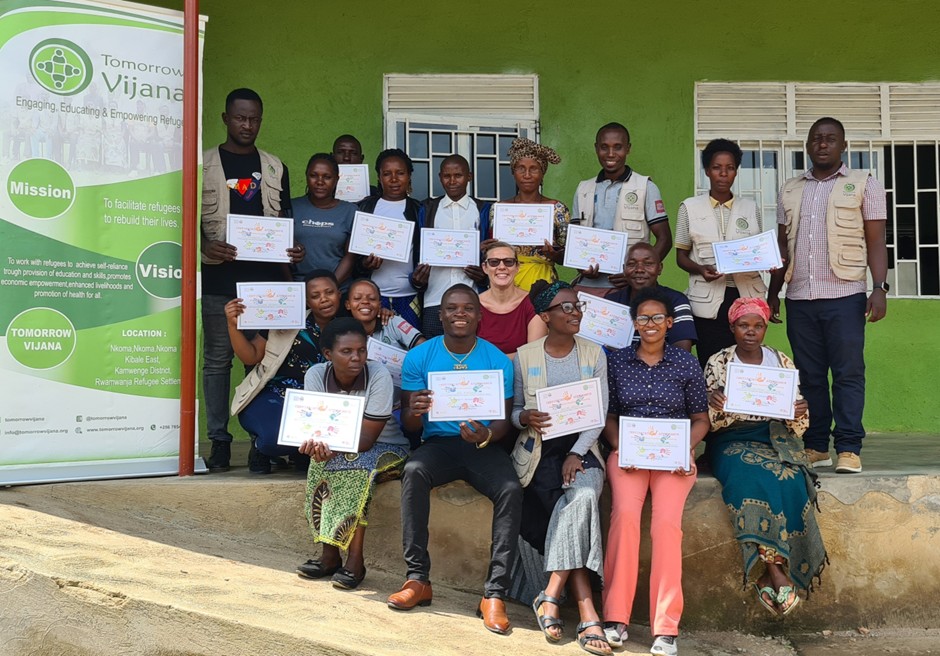
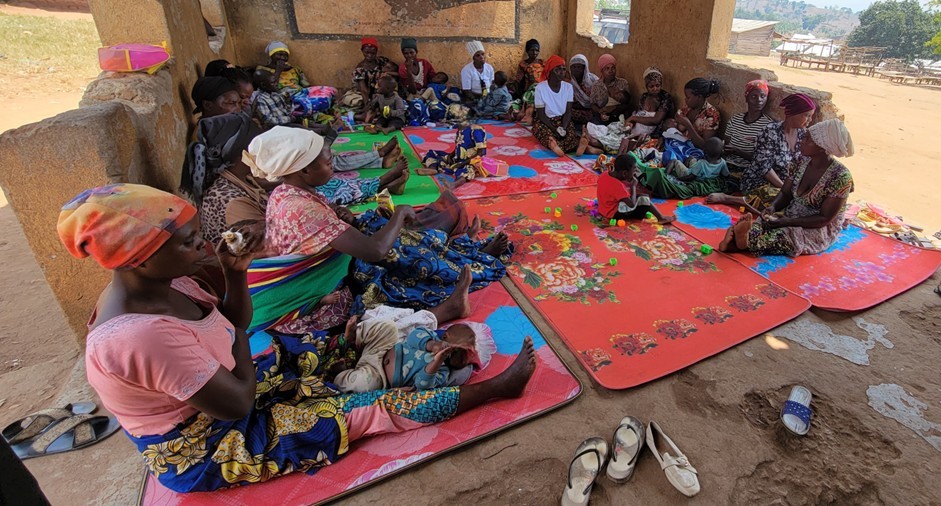
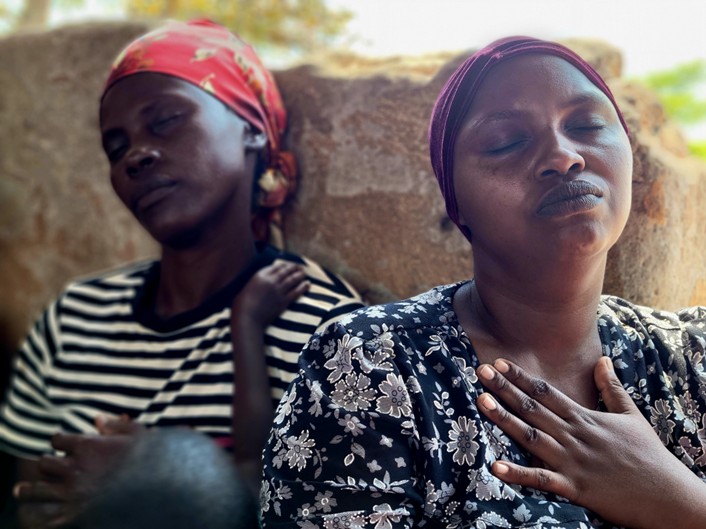
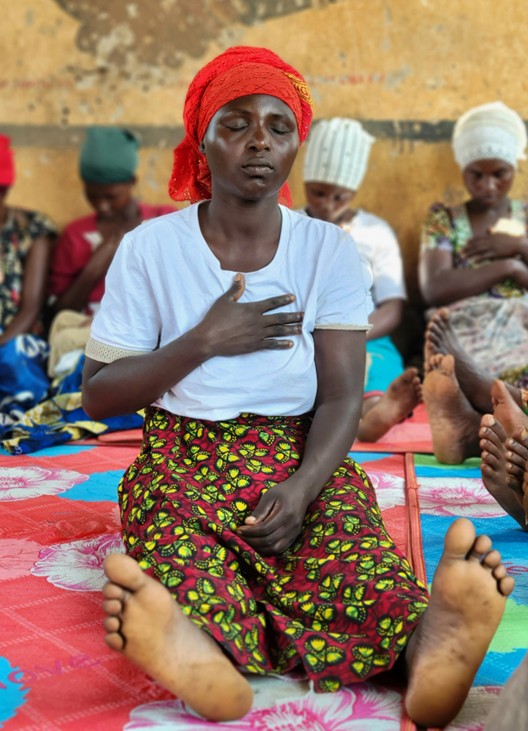
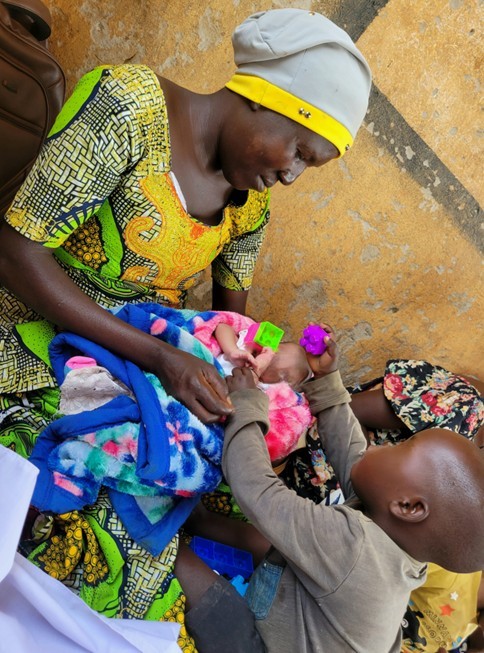
(Photos posted with permission.)
Foundation Grant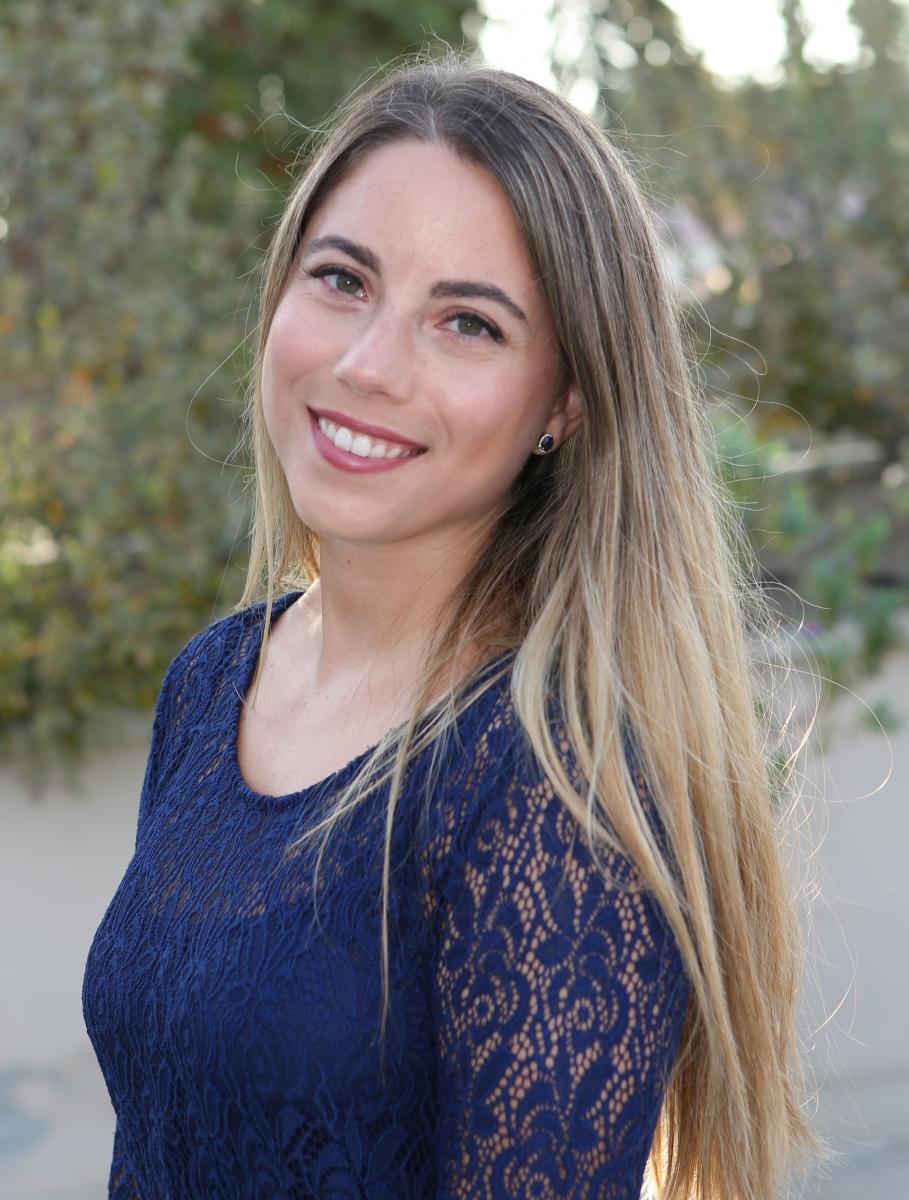
Dafne Morroni, Clinical Psychology PhD Candidate of the University of Cyprus (Nicosia, Cyprus) and her supervisor (Dr. Maria Karekla) are proud to be the recipients of the 2023 ACBS Foundation Grant for Miss Morroni’s PhD research on Acceptance and Commitment Therapy with Unaccompanied Minors.
For this project, the Self-Help Plus (SH+) protocol (World Health Organization, 2021) which has been successfully implemented in adult refugees, was adapted for adolescents from 13- 18 years old. A four-week ACT group intervention is currently being carried out with unaccompanied minors in shelters in major cities across the country. It is anticipated that the ACT group intervention will improve the minors’ psychological wellbeing, augment prosocial behaviour, and enhance quality of life. The Foundation Grant will be funding translation and printing of therapy materials as well as interpreters for the intervention. The Foundation Grant will aid in establishing feasibility and acceptability of ACT in unaccompanied minors. We hope that the support of the Foundation Grant will lead to increased interest and funding resources for future research with this underserved and vulnerable population.
Grant Report - May 2024
Unaccompanied minors (UM) are a highly vulnerable refugee subgroup as they face several challenges at a critical point in their physical and psychosocial development without the support of a parent or caregiver. Acceptance and Commitment Therapy (ACT) is effective for the treatment of trauma survivors and for vulnerable refugee groups. Although ACT is theoretically pertinent to the refugee population, the empirical evidence is still in its infancy.
The present project investigated whether ACT would be beneficial to UM in shelters in Cyprus. Prior to commencing the project, a systematic review and qualitative research synthesis examined the evidence of effectiveness and acceptability of cognitive behavioral therapy (CBT) and third-wave approaches (i.e., ACT) in improving the quality of life and psychological symptoms of UM. Third wave studies showed preliminary evidence for improvements in psychological flexibility and mindfulness in UM, as well as improvements in psychological symptoms. The qualitative synthesis demonstrated that CBT and third wave interventions are acceptable, create safety and cultivate a sense of togetherness in UM.
Based on the findings from the systematic review, a cluster randomized controlled trial was carried out in six shelters across Cyprus. 101 UM participated in the trial (49 males, 52 females), aged between 13 and 18 years old (M age=15.97, SD=1.23). Shelters were randomly assigned to either a four-session ACT-based treatment group or wait-list control group. Participants completed self-report measures at pre-intervention, post-intervention, 1-month, and 3-months follow-up. Self-report measures assessed quality of life, psychological flexibility, psychological symptoms. Statistically significant improvements were observed for psychological flexibility at post-intervention and 1-month follow-up in the treatment group. Statistically significant improvements were also observed for stress, anxiety, and depression in both the treatment and control groups. Gender differences were also observed in this study. Specifically, female UM seemed to drive the changes observed in the treatment group for psychological flexibility, indicating initial evidence of gender differences in this population.
Robert J. Kohlenberg Research Award
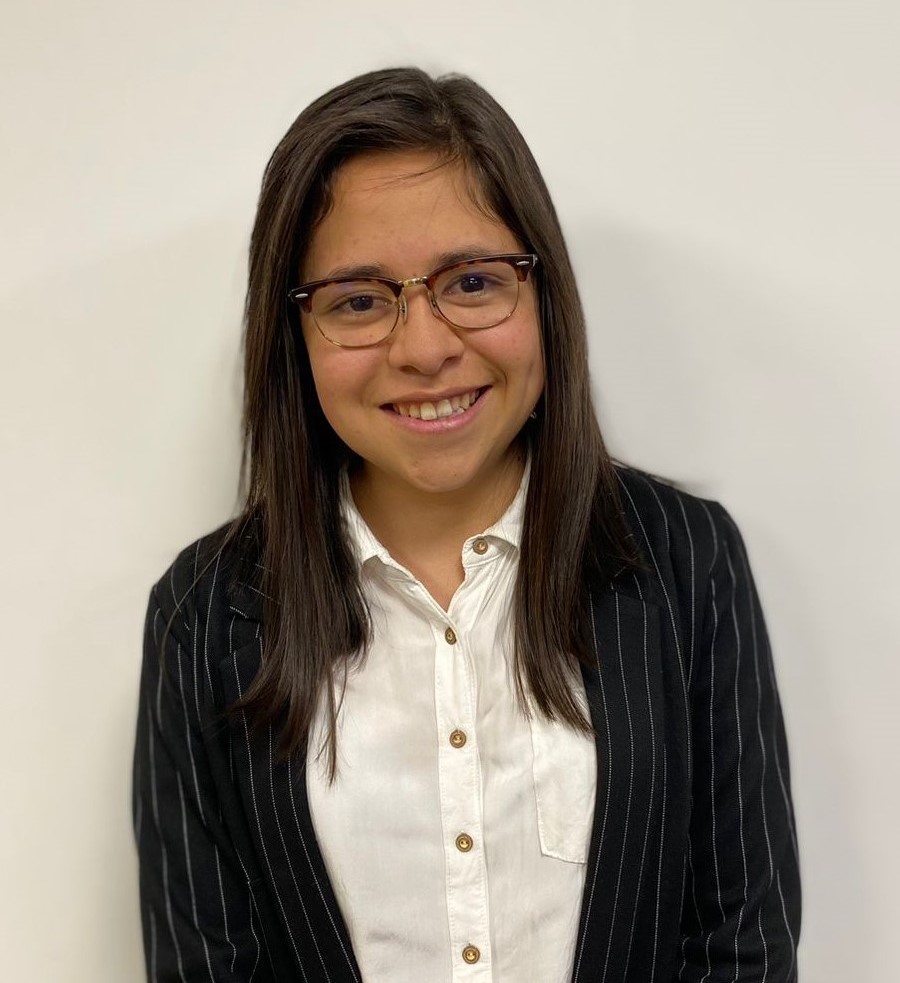
Sara Robayo, MS in Clinical Psychology at the Pontificia Universidad Javeriana, Bogota, Colombia, and research team Yors Garcia (Pontificia Universidad Javeriana), Amanda Muñoz-Martinez (Universidad de los Andes), and Matthew Skinta (Roosevelt University) are proud to be the recipients of the 2023 ACBS Robert J. Kohlenberg Research Grant to complete a research project on evaluating the Effect of Functional Analytic Psychotherapy in Intimacy and Minority Stress in Trans and Gender non-conforming people.
The main goal of this research project is using functional analytic psychotherapy (FAP) to improve intimacy repertories and stress minority levels in trans and gender non-conforming (TGNC) people living in Colombia (South America). In this country TGNC individuals are at greater risk of severe mental issues compared to cisgender counterpart, not to mention the limited access they have to evidence-based interventions that may help them with their specific needs. One of the most common difficulties reported by these individuals and observed in psychotherapeutic sessions is the lack of intimacy repertoires. These repertoires are important to develop close and significant relationships with significant ones. In addition, TGNC people have difficulties coping with minority stress, which consist of high levels of stress faced by members of stigmatized minority groups. Therefore, this research grant will be used to evaluate the impact of FAP in developing intimacy repertoires in TGNC people as well as teaching them alternative repertoires to effectively face minority stressors. We hope this study opens a new line of research and moves forward the legacy left by Robert Kohlenberg.
Final Report:
Outputs and Deliverables:
Based on the results of this research project, two articles were written.
The first article examines the therapeutic interaction and participants’ intimacy in-session behaviors and the pre-, post-, and follow-up measures of intimacy repertoires out-of-session, minority stress levels and interpersonal difficulties reported by these TGNC participants. This article is currently under development.
The second article entitled “Using Functional Analytic Psychotherapy to Address Interpersonal Difficulties with a Neurodiverse, Non-Binary Client” examined the implementation of Functional Analytic Psychotherapy, to address relational difficulties in a 33-year-old, non-binary autistic individual with interpersonal difficulties.
This paper was submitted to Clinical Case Studies (CCS) https://journals.sagepub.com/home/ccs on July 26, 2025 (Appendix B)
OSF. https://osf.io/7twrm/?view_only=a93917905cbf4f5696fb5de761ca9efa
Impact and benefits to the researchers, CBS, and society at large:
This project provides empirical evidence of the utility of FAP in addressing intimacy and minority stress in TGNC individuals, —population that face ongoing prejudice across multiple contexts and have limited access to empirically supported, affirmative psychological interventions tailored to their specific needs.
The first article illustrates the importance of integrating FAP principles with a culturally humble and affirmative framework to foster TGNC clients’ in- and out-of-session intimacy-seeking behaviors, while addressing behaviors that block interpersonal intimacy. Findings regarding therapeutic interaction and out-of-session intimacy repertoires shed light regarding FAP’ change mechanisms in minoritized populations, as well as idiographic aspects -such as intersecting identities- that may influence the generalization of their therapeutic gains.
The second study highlights FAP’s potential as an affirming and effective intervention for individuals navigating intersectional identities, particularly neuro- and gender diverse clients by providing a supportive space to tackle relational challenges and compounded social stressors. These findings emphasize the flexibility of FAP's principles in adjusting the therapeutic objectives by considering the client’s developmental and relational history. This article also offers recommendations for clinical practice aimed at promoting contextual interpretation of interfering behaviors exhibited by individuals from minoritized populations in the development of a therapeutic relationship— behaviors shaped by ongoing interaction with a context that continuously discriminates against them. Likewise, it encourages clinicians to make use of therapeutic rules to examine their own biases and how these may impact their work with these marginalized populations.
Both studies underscore the importance of using therapeutic interventions such as FAP in addressing TGNC clients’ interpersonal difficulties and fostering alternative interpersonal behaviors that enhance their ability to build high-quality relationships -a protective factor for their physical and mental health. Both studies also pose future research directions in addressing aspects that may influence generalization of their therapeutic gains such as clients’ intersecting identities.
2024 ACBS Foundation Grant Awardees
2024 ACBS Foundation Grant AwardeesAwards for 2024:
Foundation Grant:

Sini LI, PhD Candidate of the The Chinese University of Hong Kong, and her co-investigators; Dr. Waitong Chien and Dr. Kamki LAM (The Chinese University of Hong Kong) are proud to be the recipients of the 2024 ACBS Foundation Grant for Sini LI's randomized controlled trial of an ACT-based parenting program for parents and autistic children.
Parents of children with a diagnosis of autism spectrum disorder (ASD) often experience significant stress and emotional difficulties due to the demands of caregiving and the complex nature of their children's condition. This research proposal aims to evaluate the effectiveness of an acceptance and commitment therapy (ACT)-based parenting program in improving parental stress, depressive symptoms, anxiety symptoms, psychological flexibility, self-efficacy, as well as children’s emotional and behavioral problems, when compared with the usual-care-only. By helping parents develop acceptance, psychological flexibility, and strategies to break free from unhelpful patterns of thinking and behavior, this program can empower them to effectively manage their psychological experiences and flexibly respond to their children’s needs and conditions.
The study will be conducted as a randomized controlled trial, with participants randomly assigned in 1:1 ratio to either the intervention group or the control group. Participants in control group will receive routine services from their children’s special education school as usual-care. Participants in the intervention group, in addition to usual-care, will receive a group-based, blended format (using both face-to-face and online modalities), and eight-weekly-session ACT-based parenting program and a workbook to facilitate recap and home practice. The data will be collected after recruitment (T0), immediate post-intervention (T1), and three-month post-intervention (T2).
This trial fills a crucial evidence gap by evaluating a new intervention program for parents of autistic children, addressing their diverse informational, emotional, and relational needs within the care pathway. By providing targeted and holistic support, parents, autistic children, and family members can benefit in the short and long term. This study would be the first to examine the effectiveness of an ACT-based parental training program for Chinese parents of autistic children. If this program is shown to be helpful, it will fill an important evidence gap in existing care pathways in China and worldwide.
Results of Sini LI's research -
Outputs and Deliverables:
The project produced two manuscripts based on the trial, both currently under journal peer review. The main randomized controlled trial (N = 154) found that an ACT-based parenting program plus usual care significantly reduced parenting stress at both T1 and T2 (medium-to-large effects), increased psychological flexibility and parenting competence at T1 and T2 (medium-to-large effects), and reduced children’s emotional and behavioral problems at T1 and T2 (medium effects). Reductions in parental depressive and anxiety symptoms were evident at T1 (small effects) but were not sustained at T2. The secondary analysis, using cross-lagged panel models, showed that improvements in psychological flexibility or parenting competence at T1 mediated the intervention’s effects on lower parenting stress and fewer child emotional/behavioral problems at T2. Psychological flexibility also partially mediated pathways from parenting stress to child problems across all time points, whereas parenting competence mediated this pathway at baseline only. Beyond publications, we developed a complete, shareable intervention package (session plans, slides, metaphor/role-play scripts, experiential mindfulness exercises, and a parent workbook with homework and QR-linked audio/video resources) and established a fidelity monitoring procedure using an ACT Fidelity Checklist with session audio review. We also compiled cleaned, de-identified datasets with R and Mplus analysis scripts (available on reasonable request under ethics approval) and produced implementation briefs, conference abstracts, and slide decks to support dissemination and scale-up.
Impact and benefits to the researchers, CBS, and society at large
For researchers, this project strengthened trial conduct and analytic capabilities (multi-site RCT, ITT with GEE, missing-data handling, longitudinal mechanism testing via cross-lagged models), established a reproducible ACT-based parenting protocol with fidelity infrastructure, and built durable partnerships with rehabilitation institutions and an interdisciplinary advisory network—foundations for future multi-region trials and adaptation studies. For ACBS/contextual behavioral science, the project delivers high-quality, mechanism-informed evidence that an ACT-based parenting approach improves parent and child outcomes in ASD, with sustained gains plausibly carried by increases in psychological flexibility and parenting competence. It advances process-based therapy by mapping temporal mediation pathways in a non-Western setting and contributes practical know-how for hybrid delivery in community services. For society and service systems, the program offers a feasible, group-based, cost-conscious option that alleviates caregiver burden and improves child behavioral outcomes, with potential downstream reductions in demand on educational and rehabilitation services. The model is exportable to low-resource and technology-assisted settings and provides policy-relevant evidence to embed caregiver mental health support within ASD care pathways in China and beyond.
Robert J. Kohlenberg Research Award Grant:

Serena Wong, PhD, Adjunct Faculty, Departments of Psychology and Psychiatry, University of Western Ontario (Canada) and her co-investigators; Frankie Lui, Lisa Van Bussel and Lynette Markoff, are proud to be the recipients of the 2024 ACBS Robert J. Kohlenberg Research Grant to complete a research project on Targeting Loneliness: A Novel Application of Awareness, Courage, and Love Groups for Geriatric Psychiatry Patients.
Loneliness is a key predictor of death, dementia, physical decline, and poorer mental health in older adults. Geriatric psychiatry patients are at greater risk for the experience of loneliness. Reviews of loneliness interventions say that solutions need to have a clear theoretical basis and more randomized trials are required. Furthermore, researchers have stressed the importance of “a rich and forgiving social environment” for lonely individuals to address unhelpful social cognitions. Interventions rooted in behavior change theory also seem most promising.
Developed by Dr. Mavis Tsai, Awareness, Courage, and Love Groups (ACL) represent a powerful, evidence-based approach to alleviate loneliness and enhance social connection. ACL sprung from functional analytic psychotherapy, which is a transdiagnostic approach grounded in functional contextualism and radical behaviorism, wherein the mechanism of change is therapeutic social reinforcement. Put simply, these groups are geared to alleviate suffering in a growing population of older adults with mental health diagnoses.
We recently adapted ACL groups for geriatric psychiatry patients, with positive results based on informal patient feedback and staff observations. Our adaptations include the use of visual cues, aging-related themes, listening prompts, shorter meditations, and a simplified discussion process. Our interdisciplinary team comprises psychology, social work, nursing, and psychiatry. Our goals are to examine feasibility, acceptability, and efficacy in both outpatient and inpatient arms of this study, using randomized waitlist and active control group methodologies. In other words, we want to see if ACL “works” for a new geriatric population. In addition to tracking patient retention, which has so far been at 100%, we are collecting session feedback and assessing program satisfaction both qualitatively and quantitatively. Outcomes include life satisfaction, loneliness, social closeness, relational health, and the experience of sacred moments in group. If these groups work, we can support dissemination and cultivate communities of connection worldwide for lonely seniors.
2025 ACBS Foundation Grant Awardees
2025 ACBS Foundation Grant AwardeesAwards for 2025:
Aaron S. Luoma Fund for Global Equity
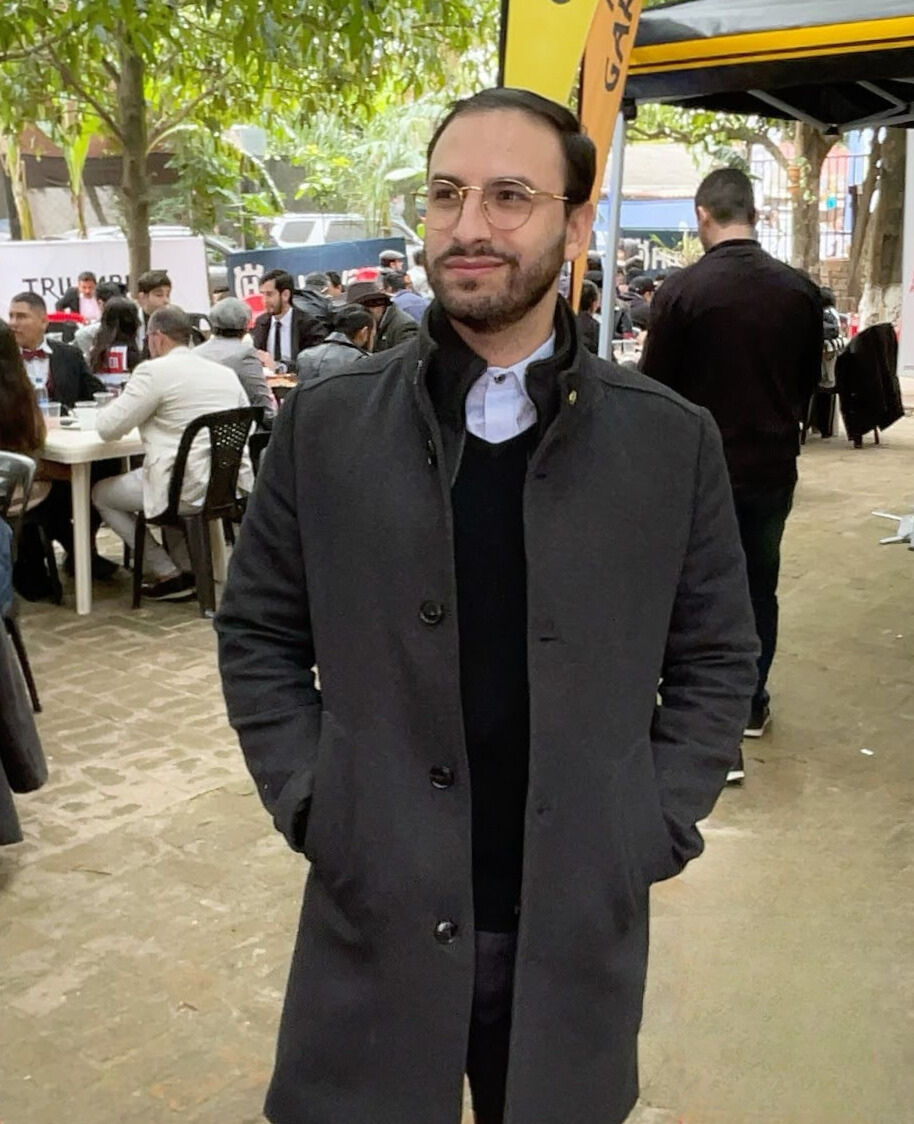
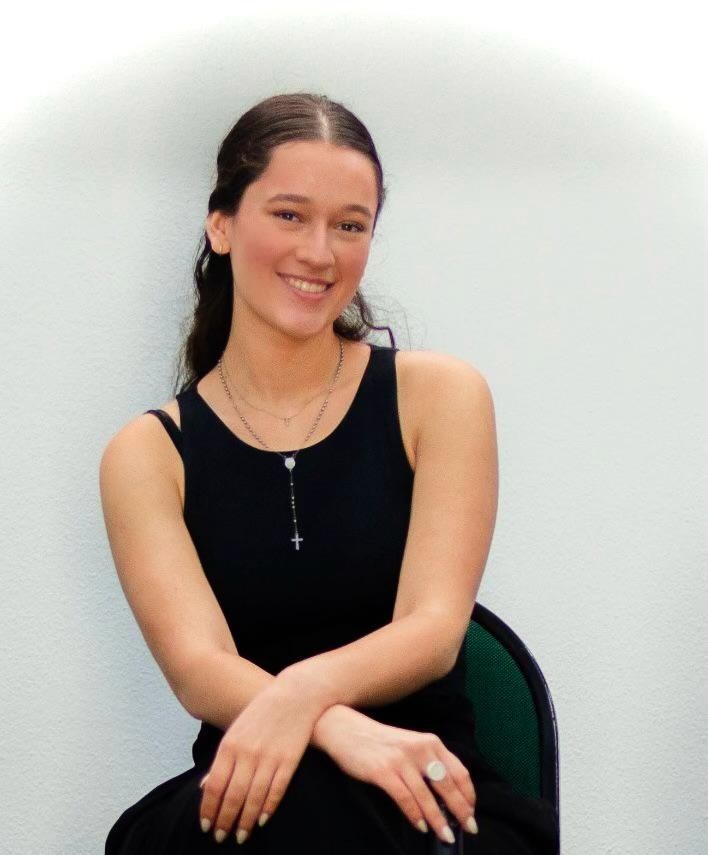
Nicolas Arancibia Levit, MSc, Coordinator of the Psychological Research and Advice Centre and his co-investigator; Maria Trinidad Terceros Pavisich, are proud to be the recipients of the 2025 ACBS Foundation Grant - Aaron S. Luoma Fund for Global Equity to complete a research project for Body Image Acceptance and Self-Efficacy: Predicting Exercise and Healthy Eating Behaviors in Young Adults.
Many young adults struggle with body image concerns, which can impact their confidence in maintaining healthy behaviors like regular exercise and balanced eating. This study aims to explore how accepting one’s body—without letting negative thoughts interfere—relates to confidence in staying physically active and making healthy food choices. Self-efficacy, or the belief in one’s ability to succeed in a specific task, plays a key role in forming healthy habits. People who feel confident in their ability to exercise or eat well are more likely to engage in these behaviors. However, negative body image can lower this confidence, making it harder to maintain a healthy lifestyle. By examining how body image acceptance relates to self-efficacy in exercise and eating habits, this research seeks to fill a gap in the literature and provide insights that could support interventions promoting well-being.
This study is based on principles from Acceptance and Commitment Therapy (ACT), which emphasizes psychological flexibility—the ability to accept one’s thoughts and emotions without letting them dictate behavior. ACT suggests that accepting body-related thoughts can reduce distress and improve overall health behaviors. By using validated questionnaires to assess body image acceptance and self-efficacy, this study will analyze responses from young adults aged 18 to 30 in Santa Cruz de la Sierra.
The findings could help shape future interventions that promote self-acceptance as a way to improve self-efficacy for exercise and healthy eating. These insights may contribute to the development of programs that reduce the risk of eating disorders and maladaptive health behaviors. Ultimately, this project aligns with Contextual Behavioral Science by offering a framework for enhancing well-being through psychological flexibility, helping individuals develop healthier relationships with their bodies and fostering long-term positive behavior change.
Foundation Grant
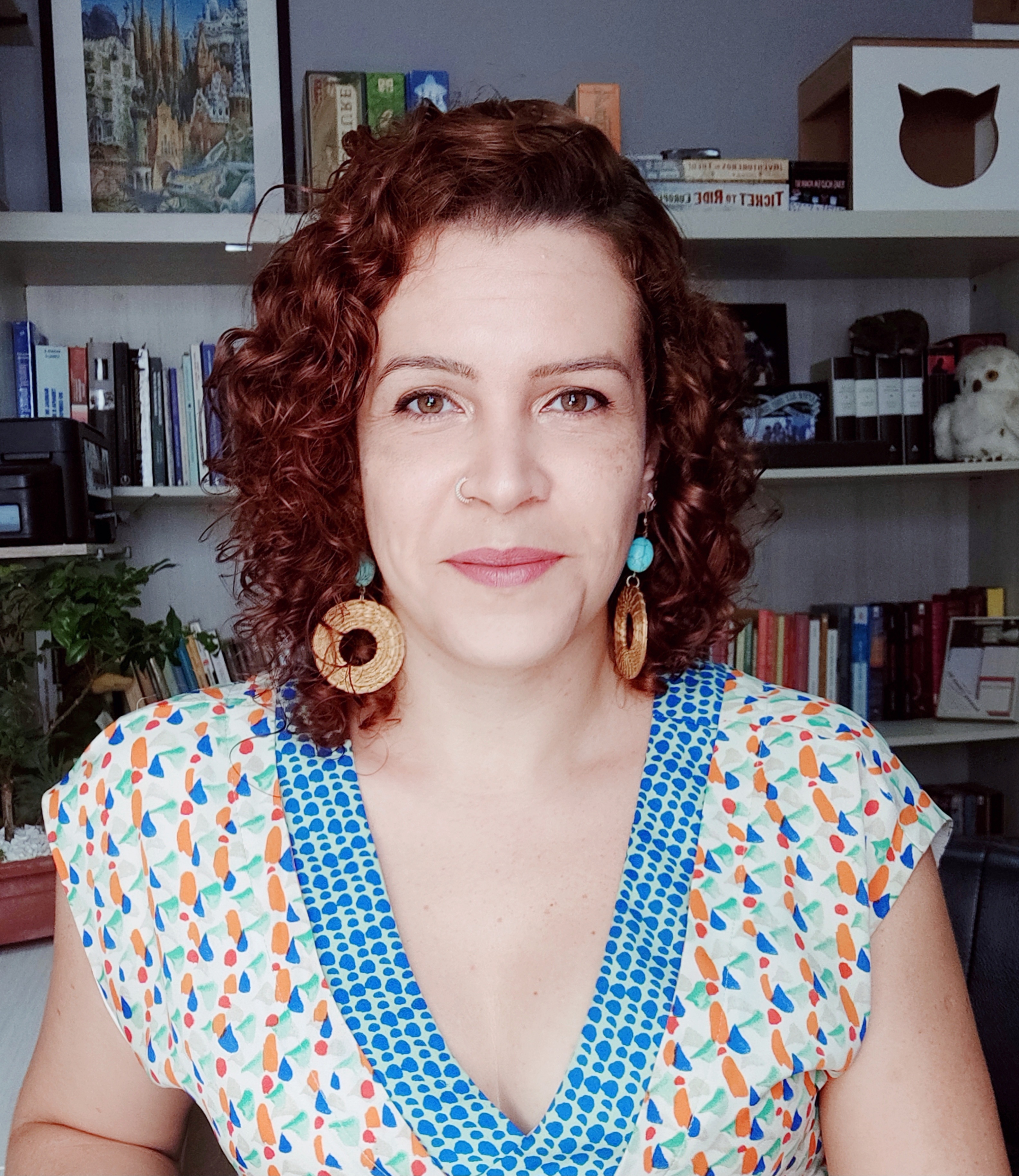
Anna Carolina Ramos, PhD, Professor at the Department of Psychology, Universidade Federal de Santa Catarina (UFSC), and her co-investigators; Dr. Helder Lima Gusso (UFSC) and Dr. Kenneth Fung (Toronto Western Hospital/University of Toronto) are proud to be the recipients of the 2025 ACBS Foundation Grant to complete a research project: Cultural Adaptation and Pilot of 'ACT on Your Recovery' with Contingency Management for Substance Use Disorders in Brazil.
Substance Use Disorder (SUD) is a significant public health concern in Brazil, affecting millions of individuals and their families. Despite the urgent need for treatment, access to effective, evidence-based care remains limited, particularly for underserved and low-income populations. Many existing therapies are costly, difficult to access, or not culturally adapted to the Brazilian context. This project aims to bridge this gap by introducing an innovative, culturally adapted intervention that combines Acceptance and Commitment Therapy (ACT) and Contingency Management (CM)—two well-established, evidence-based treatments for SUD.
Our study will translate, culturally adapt, and pilot-test the ACT on Your Recovery protocol combined with CM, ensuring its effectiveness for the Brazilian population. By offering cost-free therapy sessions, we will remove financial barriers to treatment, making specialized care accessible to those who need it most. The project will also provide structured incentives to improve engagement and treatment adherence, an effective approach in increasing retention in SUD treatment.
The project fosters international collaboration, engaging with experts from Canada to refine ACT interventions for culturally diverse populations. Additionally, by training local therapists, we aim to create a sustainable mental health care framework that can be expanded across public health services in Brazil and Latin America.
Our findings will contribute to future research and policy recommendations, supporting the integration of ACT and CM into mainstream mental health services. Ultimately, this initiative has the potential to reduce health disparities, improve treatment retention, and enhance the quality of life for individuals with SUD, helping to alleviate human suffering and drive systemic change in mental health care.
Robert J. Kohlenberg Research Award Grants
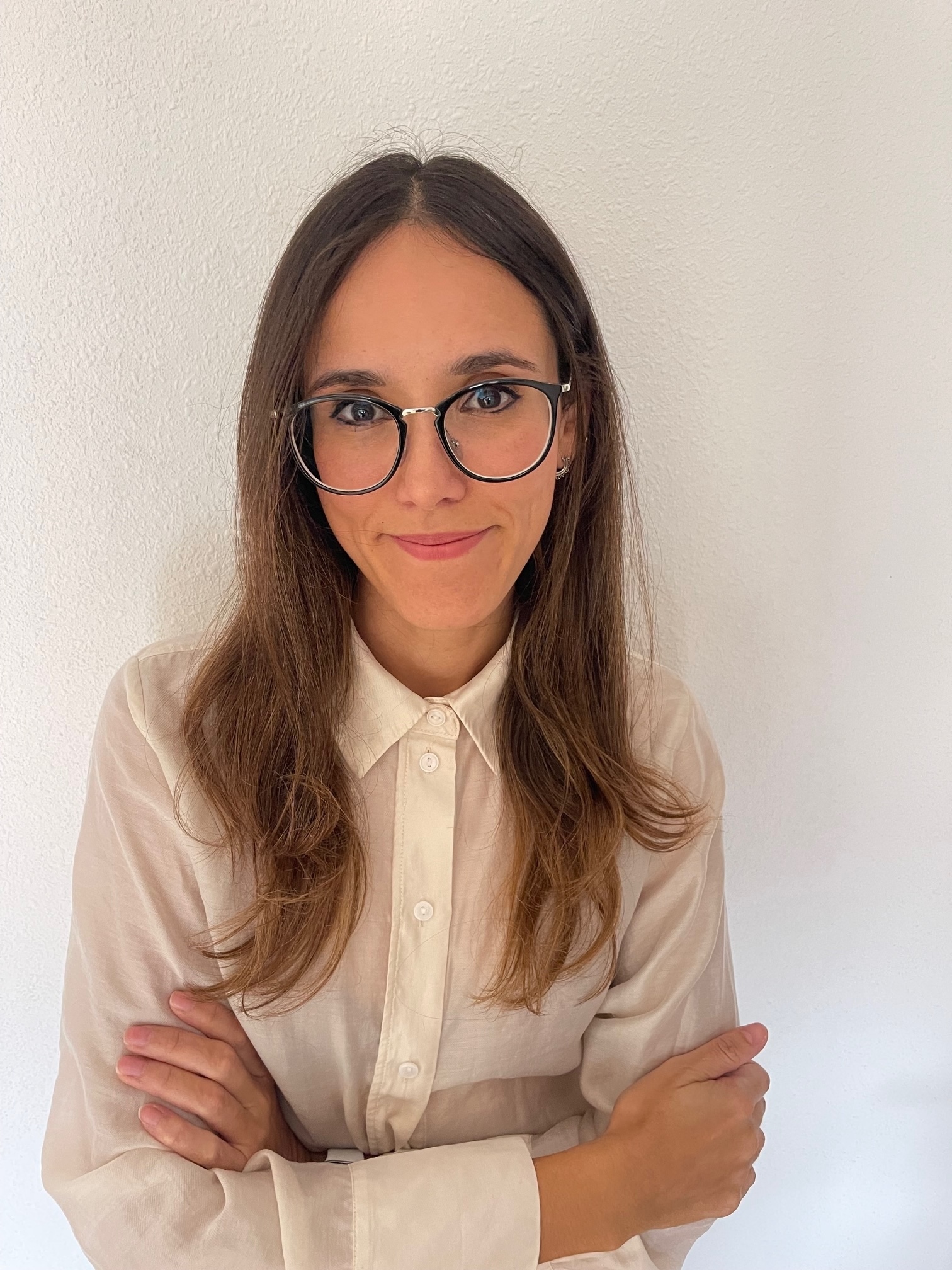
Gladis-Lee Pereira, Ph.D., Associate Professor at Universidad Europea de Madrid and her co-investigators; Tien Kuei (Power to Live Foundation) and Natalia Andrés-López (Universidad Autónoma de Madrid) are proud to be the recipients of the 2025 ACBS Robert J. Kohlenberg Research Grant to complete a research project: Mapping In-Session Change in Functional Analytic Psychotherapy from An Idiographic Molar Approach.
Functional Analytic Psychotherapy (FAP) is a therapeutic approach that emphasizes in-session interactions as the key factor driving meaningful change in clients' lives. It is a type of therapy that focuses on explaining why people change rather than merely analyzing if they change. In this sense, research that connects specific in-session interactions with clinical improvement, while preserving the unique role of each therapeutic dyad, is one of FAP’s most important tasks and, perhaps, one of its greatest methodological challenges.
Therefore, this study aims to expand our understanding of the specific behaviors exhibited by psychotherapists that are associated with clinical change, seeking to use a methodology that better fits the nature of psychotherapy. We believe that by focusing on the therapeutic interaction during clinical sessions, while capturing the uniqueness of each case, this project will contribute to improving therapeutic effectiveness and refining training methodologies for clinicians practicing FAP. This, in turn, has the potential to inform future research and applications within Contextual Behavioral Science and ultimately alleviate human suffering.
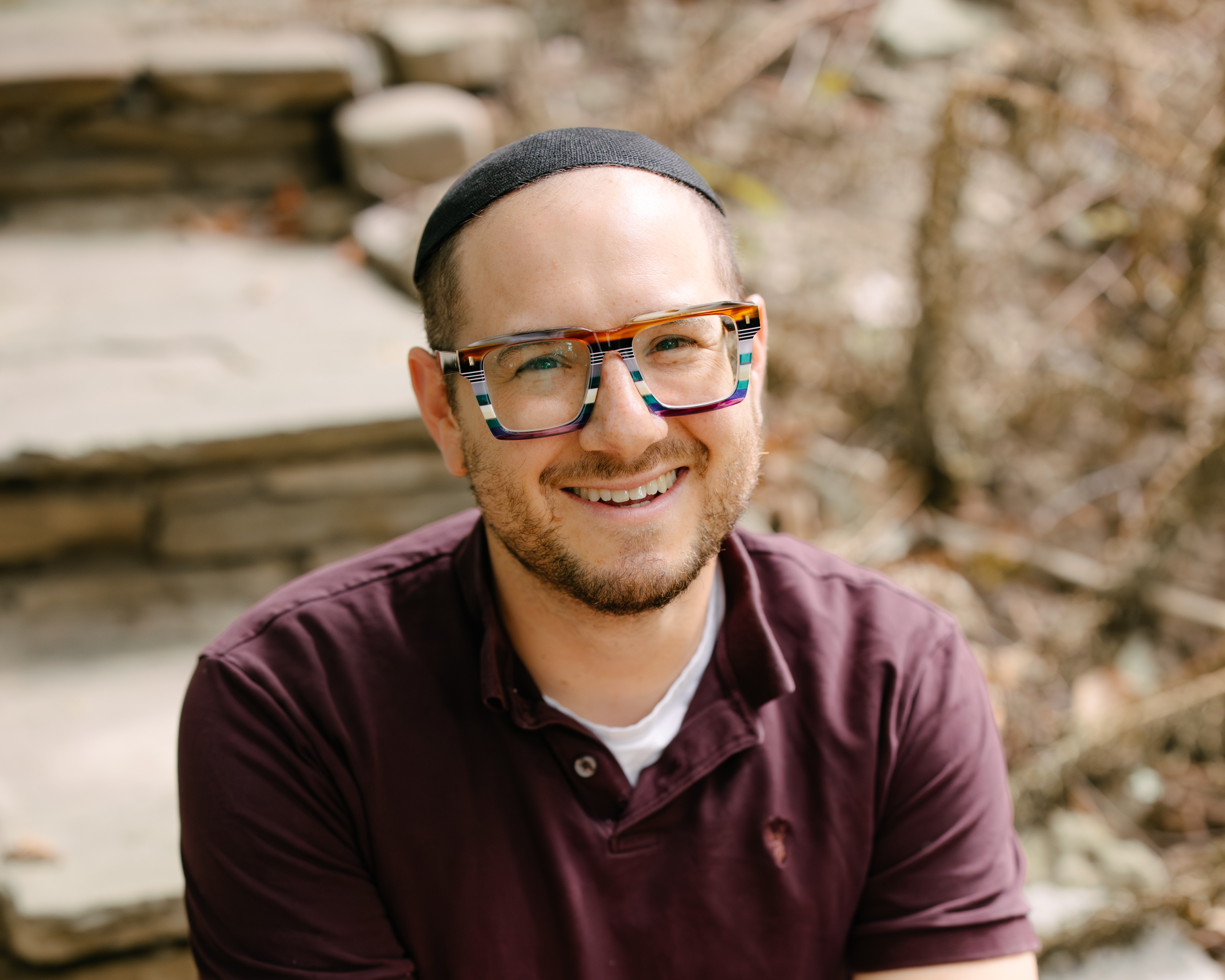
Rabbi Aaron D. Cherniak (Hebrew University of Jerusalem) and his co-investigator; Dr. Max Wolff (Central Institute of Mental Health, Mannheim) are proud to be the recipients of the 2025 ACBS Robert J. Kohlenberg Research Grant to complete a research project: Psychedelic Psychotherapy Through a Functional Analytic Lens: Relationship as a Meta-Mechanism of Change.
Psychedelic-assisted psychotherapy has shown potential to treat depression, trauma, and other mental health difficulties. Yet, we still know relatively little about how these therapies work. Recent research has identified several general mechanisms of psychedelic-related change that may drive improvement in psychotherapy broadly. However, these processes may depend on relational factors and how individuals navigate psychedelics’ effects.
Functional Analytic Psychotherapy (FAP) emphasizes the therapeutic relationship as the most powerful engine of change. FAP views the therapeutic bond not only as a source of support, but also as the context in which new patterns of relating can be learned and reinforced. This project applies a FAP-informed lens to psychedelic psychotherapy by exploring whether relational processes can organize and amplify other change processes identified by decades of integrative psychotherapy theory and research support, and in this context, more adaptive modes of experiencing psychedelics’ effects (acceptance-related vs. avoidance-related strategies).
To answer this, we will analyze data from a large international study that validated a novel measure of Grawe’s transtheoretical therapeutic change mechanisms, the first to assess clinically relevant relational behaviors and experiences during dosing sessions. We will explore mechanisms of therapeutic change at play in psychedelic experiences and their associations with a range of psychological flexibility, quality of therapeutic relationship, of individuals’ test whether the relationship mediates or moderates the link between life circumstances, change mechanisms, and a range of outcomes, such as aspects of mental health and well-being. This will clarify whether the therapeutic relationship functions as a superordinate factor that facilitates other mechanisms.
By illuminating how relational processes shape therapeutic effects, the project can help refine psychedelic therapy training, improve therapist guidance, and contribute to advancing knowledge in FAP. Ultimately, the findings may support the development of more effective and relationally attuned psychedelic therapies, reducing suffering and enhancing well-being across diverse populations.
2026 ACBS Foundation Grant Awardees
2026 ACBS Foundation Grant AwardeesAwards for 2026:
Aaron S. Luoma Fund for Global Equity
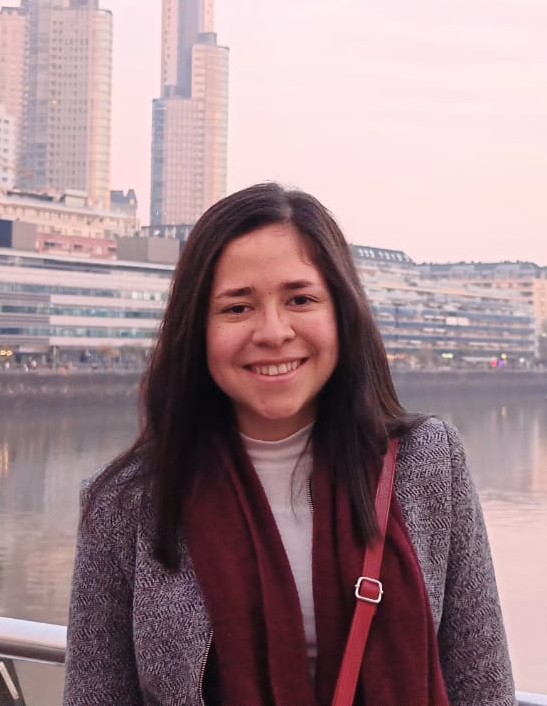
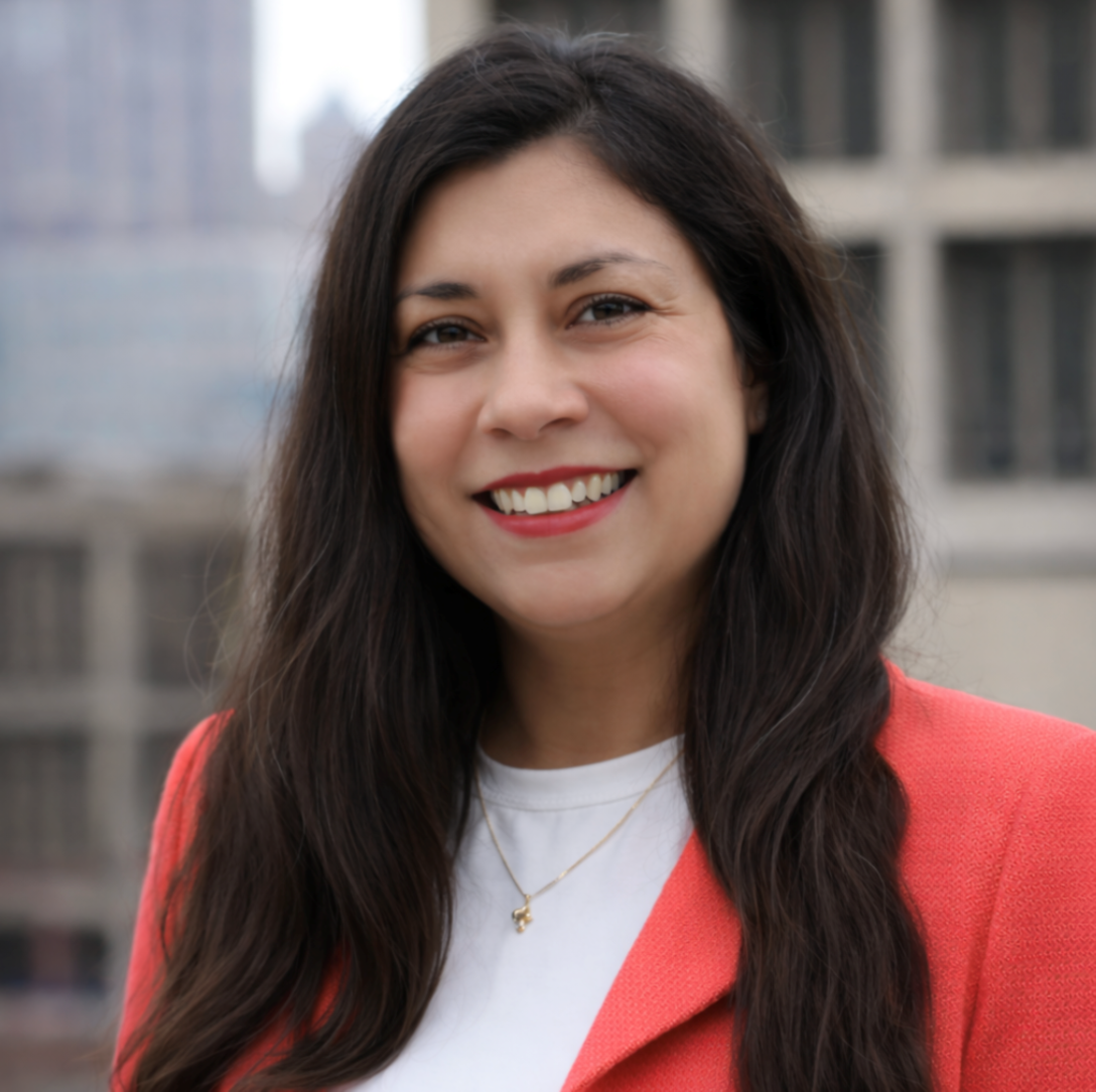
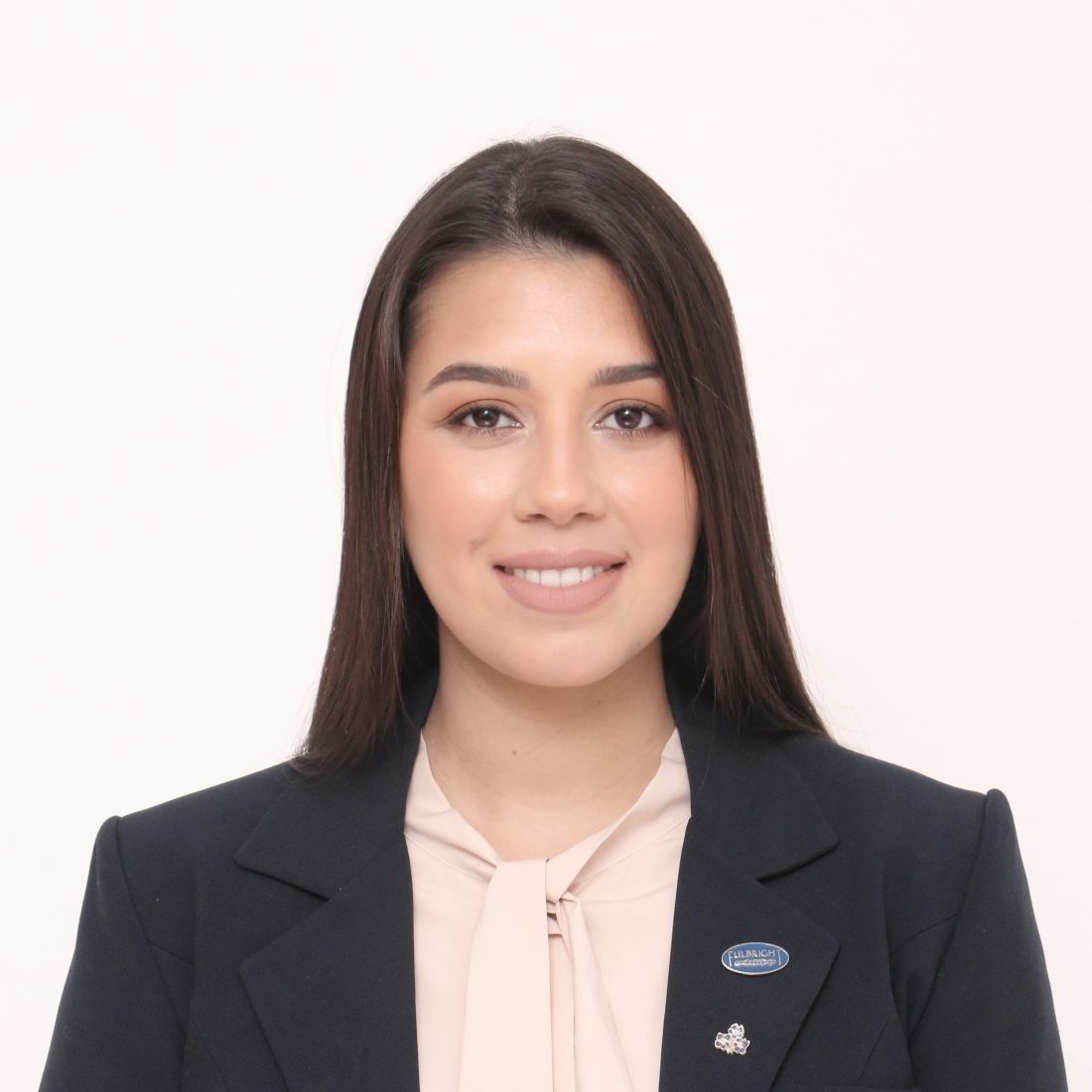
Sara Robayo, Universidad de los Andes and her co-investigators; Amanda Muñoz-Martínez (Universidad de los Andes), Anika Selena Ladamar Hernandez (Red Somos / Ministerio de Igualdad y Equidad), Tomas Serrano (Liga de Salud Trans), and Lina Quevedo Cerqueta (Liga de Salud Trans) are proud to be the recipients of the 2026 ACBS Foundation Grant - Aaron S. Luoma Fund for Global Equity to complete a research project for CONECTADES. A contextual co-designed program to foster social connection among Colombian Trans and Gender Non-Conforming individuals.
Social connection is a protective factor for physical and mental health of Trans and Gender Non-conforming (TGNC) individuals, who are at high risk for developing behavioral problems, and face countless experiences of prejudice linked to their gender identity. From a contextual behavioral perspective and minority stress theory, their chronic exposure to distal and proximal stressors may lead them to develop behavioral patterns of mistrust and isolation that prevent them from developing supportive relationships. Despite these disparities, there is a lack of empirical-based interventions tailored to TGNC individuals’ needs and contexts. Although contextual behavioral therapies show promising evidence for sexual and gender diverse populations, research with Latinx TGNC individuals remains scarce. To address this gap, we collaborative worked with three TGNC community co-researchers to explore how Colombian TGNC individuals experience social connection. Findings from this qualitative study informed the development of CONECTADES, a rooted contextual program tailored for this population. Through a pilot-randomized control trial, we aim to evaluate the feasibility and acceptability of CONECTADES, a contextual co-designed culturally sensitive intervention among Colombian TGNC individuals. Up to 40 TGNC participants will be recruited through convenience and snowball methods and randomized into the intervention and the waiting list group. The program sessions will be conducted in a four-hour in-person group format during three sessions by the PI and one co-researcher. Feasibility, adherence and acceptability will be assessed throughout the sessions; variables such as intimacy, loneliness, minority stress, etc. will be measured at pre- and post-intervention to provide preliminary evidence of potential changes. The results will be discussed considering the evidence. It is expected that this study will enable us to identify the key components to be included in a larger trial.
Foundation Grant
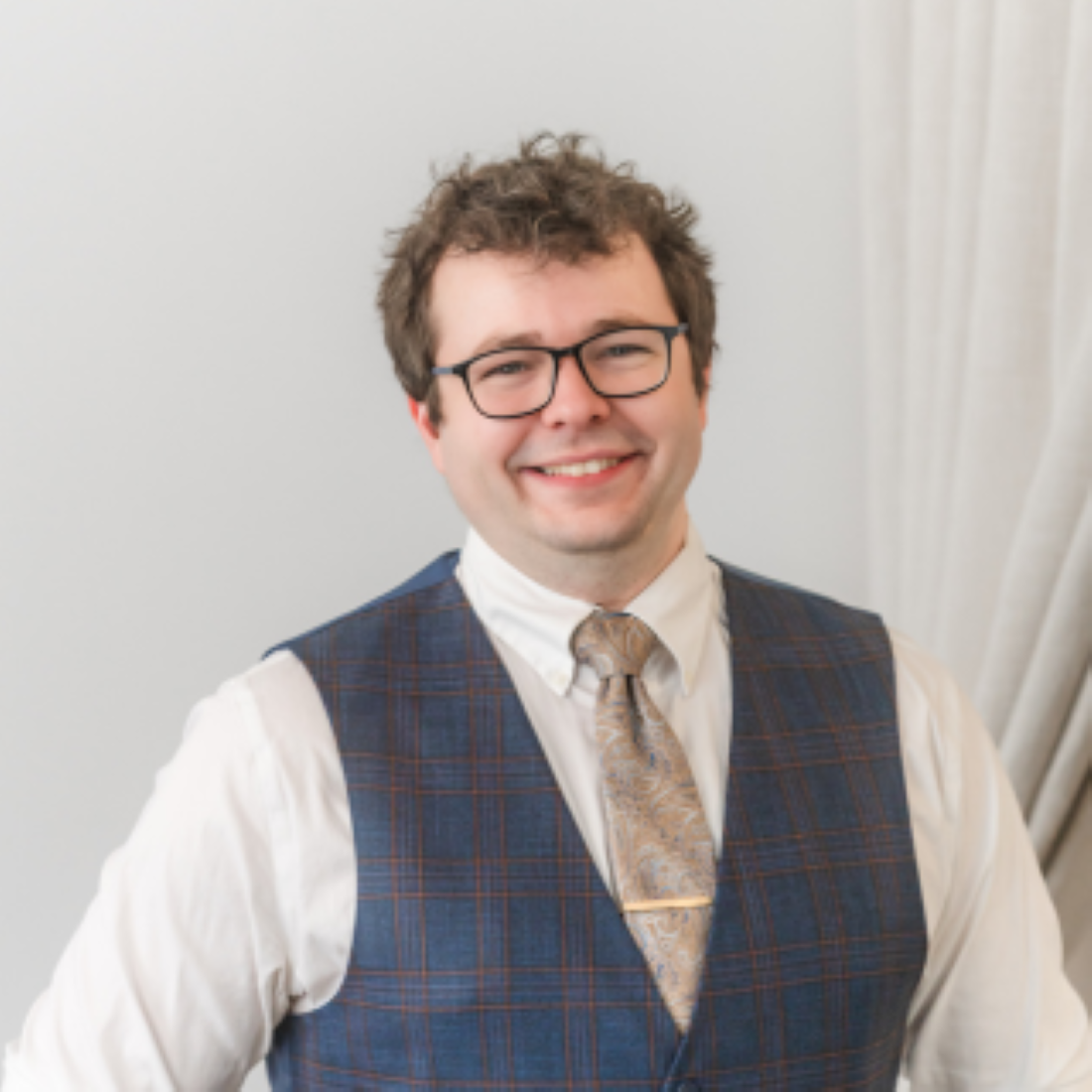 |  |  |
Rocco Catrone, PhD, BCBA-D, IBA, CPACC, Visiting Clinical Assistant Professor, University of Illinois Chicago (UIC), and his co-investigators; Dr. Elizabeth Cambray (UIC), Betania Locati (UIC), Dr. Emily Gregori (UIC) and Stephanie Fernandez (UIC) are proud to be the recipients of the 2026 ACBS Foundation Grant to complete a research project: BST + ACT for Caregivers: A Relational ACT Protocol to Build Family Resilience.
This project evaluates the Behavioral Acceptance and Commitment Training (BACT), a program created by the lead applicant and code switched into Spanish by co-applicants. This program integrates Behavioral Skills Training (BST) of important skills with Acceptance and Commitment Therapy (ACT) to improve caregiver wellbeing and support Latine families of children with developmental disabilities in the Chicagoland area. This model emphasizes values-driven action, present moment awareness, and psychological flexibility of caregivers while teaching basic behavior-analytic repertoires to address relevant behavioral changes, led by their children.
This 12-month study will deliver the Spanish-language BACT protocol to 25 Latine caregivers in the Chicagoland area, specifically targeting families who currently do not receive behavioral services outside of their respective school systems. Participants will receive compensated access to this training across 8 interactions. We will analyze the program’s impact on caregiver stress, psychological flexibility, and engagement while also targeting essential behaviorally-based skills to assist in helping their children regulate in ways led by their child. Deliverables will include bilingual toolkits and on-demand training videos the caregivers can access at any time.
This work deepens contextual behavioral science by ensuring its tools are culturally and linguistically accessible to Latine families through behaviorally sound, universally designed caregiver training.
Lab Website here: https://blend-lab.com/
Robert J. Kohlenberg Research Award Grant
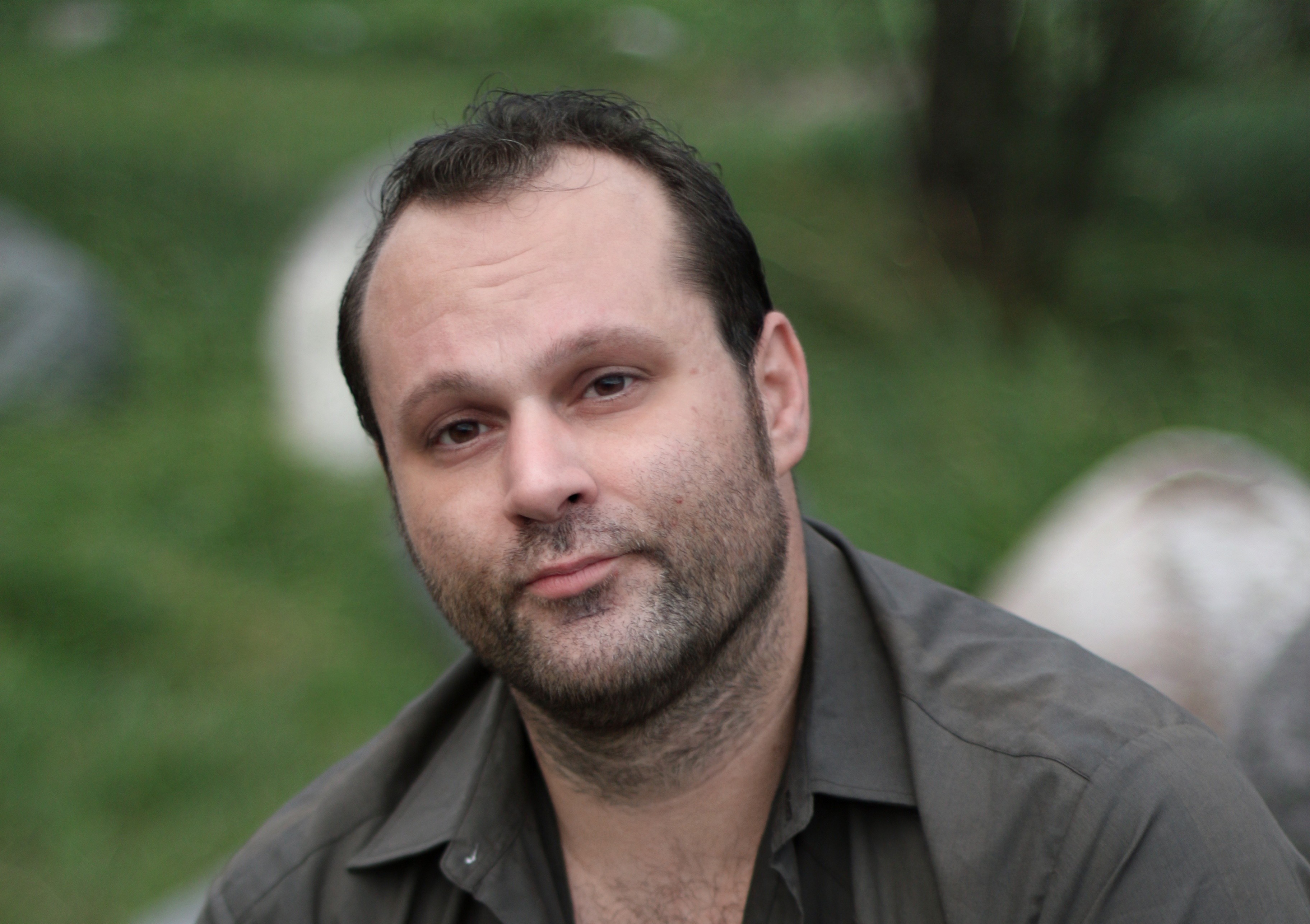
Wesley Malvini, MS, University of Missouri-Kansas City, and his co-investigator Daniel W. M. Maitland, Ph.D. (University of Missouri-Kansas City) are proud to be the recipients of the 2026 ACBS Robert J. Kohlenberg Research Grant to complete a research project: Awareness, Courage, and Love in Daily Life: A Process-Based Study of Alcohol and Psychological Partner Violence.
Intimate partner violence (IPV) is a serious and common public health problem and is most common among college students in romantic relationships. While physical violence often receives the most attention, psychological IPV, such as insults, manipulation, and controlling behavior, is the most frequently reported form and can have lasting emotional and psychological consequences. Alcohol use is one of the strongest predictors of IPV, yet we do not fully understand why alcohol increases risk in some moments but not others. Identifying changeable, real-time risk and protective factors is critical for effective interventions to reduce this type of IPV.
The proposed study will examine how moment-to-moment relationship behaviors influence the likelihood of psychological IPV, especially in situations involving alcohol. This project is grounded in Functional Analytic Psychotherapy mid-level targets for enhancing interpersonal intimacy: Awareness, Courage, and Love (ACL). Awareness involves noticing thoughts, emotions, and reactions; Courage involves expressing vulnerability and needs; and Love involves responding with care and understanding. These behaviors form the foundation of close, responsive relationships and align with the Intimacy Process Model of Intimacy. When these behavioral processes are disrupted, especially with high levels of cognitive fusion and experiential avoidance (i.e., psychological inflexibility) and fear of intimacy, conflict is more likely to escalate. Ecological momentary assessment allows college students in committed relationships who regularly consume alcohol to report experiences in real time using brief smartphone surveys, capturing relational processes in daily life rather than relying on recall.
Our goal is to identify specific, modifiable behaviors that can serve as practical treatment targets. By identifying how disruptions to ACL behaviors impacts alcohol consumption and psychological IPV, this research will inform future FAP-based interventions for psychological IPV. Ultimately, the work aims to strengthen FAP’s application to psychological IPV by promoting intimacy and flexibility, thereby reducing psychological harm and human suffering.
Robert J. Kohlenberg Research Award Grant
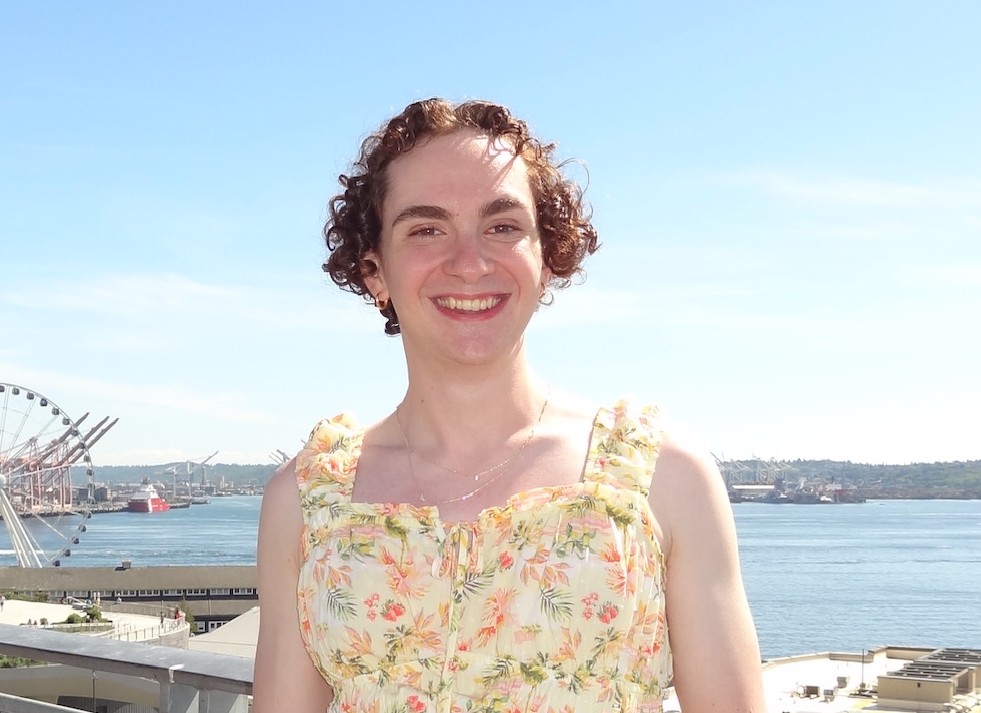
Logan Mattingly, University of Washington-Center for the Science of Social Connection is proud to be the recipient of the 2026 ACBS Robert J. Kohlenberg Research Grant to complete a research project: TraumACL: A Functional Analytic Psychotherapy Mixed Methods Pilot Intervention for Adult Survivors of Childhood Trauma.
Nearly two-thirds of U.S adults experience at least one Adverse Childhood Experience (ACE), with roughly 17% of adults experiencing four or more ACEs throughout their childhood. Though seemingly common to experience, high levels of ACEs have been linked to multiple negative outcomes across the lifespan. As more individuals continue to be exposed to traumatic events early in life, it’s important that we work to create supportive spaces and to facilitate recovery. One critical buffer against the impact of trauma is social connection, helping to reduce PTSD symptoms, foster resilience, provide safety, and more. The current study aims to investigate the impact social connection may have in supporting adults who have suffered from ACEs. We hope to create an intervention that works to both foster community and social support, as well as help participants address and heal from their adverse childhood experiences. The proposed project intends to utilize the Awareness, Courage, and Love (ACL) model, a group intervention distilled from the principles of Functional Analytic Psychotherapy. Through the completion of this study we hope to continue building upon the principles of Functional Analytic Psychotherapy, creating a community based intervention to both provide support and community to those who have experienced trauma, without the need for a trained clinician.