
2026 Plenary Speakers
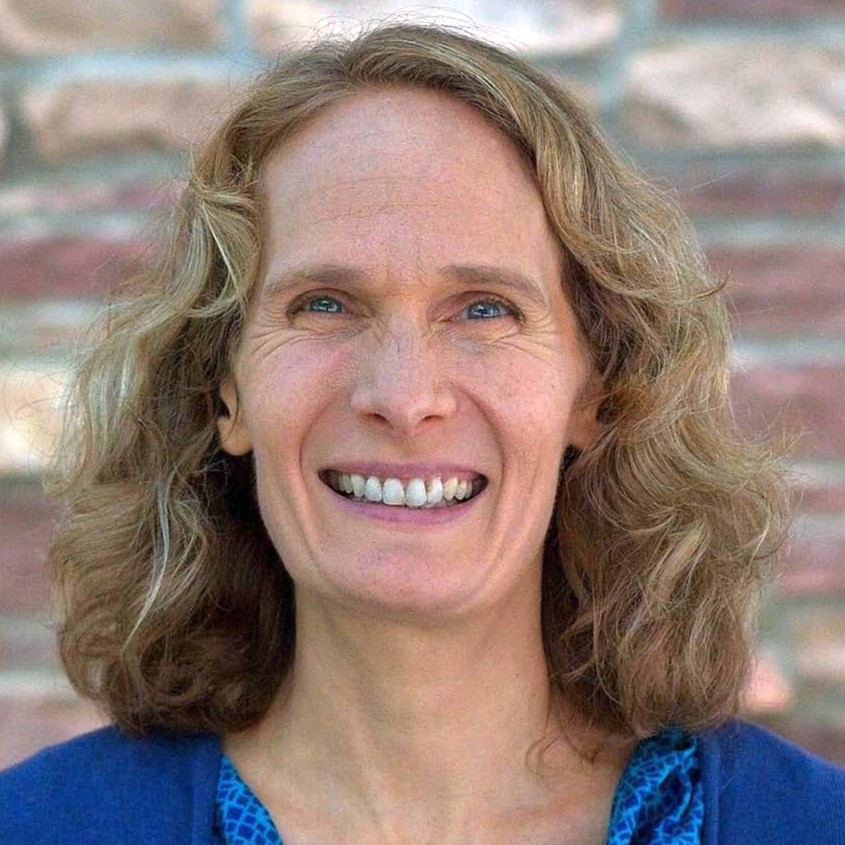
Joanna J. Arch, Ph.D.
Joanna J. Arch, Ph.D., is a Professor in the Department of Psychology and Neuroscience and the Inaugural Yvonne Kristy Endowed Chair in the Renée Crown Wellness Institute at the University of Colorado Boulder. She is a Member in Cancer Prevention and Control at the University of Colorado Cancer Center, and a licensed clinical psychologist. Her research focuses on developing and evaluating interventions designed to address anxiety disorders in broad adult populations, and to improve anxiety and behavioral adherence outcomes among adults with cancer, with a focus on mindfulness, compassion, and acceptance-based interventions. She has published over 100 journal articles and chapters. Dr. Arch’s work has received funding from the National Institutes of Health, American Cancer Society, the Templeton Foundation, the National Comprehensive Cancer Network/AstraZeneca, and the Yvonne Kristy Endowed Chair.
Dr. Arch will be giving the following presentation: ACT Across Contexts: Insights from 20 Years of Anxiety and Cancer Intervention Research
- Dr. Arch's Abstract
This talk will highlight key findings, lessons, and emerging directions from two decades of research on Acceptance and Commitment Therapy (ACT) across diverse populations—ranging from adults with anxiety disorders to those coping with cancer. I will begin by summarizing our early work evaluating ACT for anxiety disorders, then turn to our ongoing efforts in adapting and assessing ACT to support mental health, spiritual well-being, and treatment adherence among adults with cancer. Similarities and differences will be highlighted. Central insights emerging from this work include the need to balance the many capabilities of ACT with simple, focused interventions, as well as the advantages and lessons of collaborating with community clinic staff to deliver ACT interventions. I will conclude by discussing key challenges and future directions for advancing ACT interventions across these contexts.

Peter Fonagy, Ph.D.
Peter Fonagy, CBE, Professor of Contemporary Psychoanalysis and Developmental Science, Head of Division for Psychology and Language Sciences, UCL. He is also Executive Clinical Director for UCLPartners Mental Health and Wellbeing Programme, and Senior National Clinical Adviser for NHS England on Children and Young Peoples’ Mental Health. Peter is the Honorary President of Anna Freud, after serving as Chief Executive for over 20 years.
His clinical and research interests lie in early attachment relationships, social cognition, borderline personality disorder and violence. A central focus has been an innovative research-based psychodynamic therapeutic approach, mentalization-based treatment, which was developed in collaboration with a number of clinical sites in the UK and USA. Publishing over 800 scientific papers and 25 books.
Dr. Fonagy will be giving the following presentation: Epistemic Trust and Trauma: Pernicious Impact and Therapeutic Solutions – A Mentalization-Based Treatment Approach
- Dr. Fonagy's Abstract
Trauma is often understood in terms of overwhelming affect, disrupted attachment, or traumatic memory. Increasingly, however, it can also be understood as an epistemic injury: a disruption in the capacity to learn from other people. Experiences of abuse, neglect, humiliation, coercion, or chronic misattunement may undermine not only trust in specific individuals but confidence in communication itself, leaving people uncertain about whether information from others is relevant, reliable, or safe to use.
From this perspective, many of the difficulties associated with trauma can be understood as consequences of disturbances in epistemic trust. Individuals may become hypervigilant and dismiss potentially helpful information, or become excessively credulous and vulnerable to exploitation. In either case, opportunities for adaptive social learning are compromised.
This presentation will explore the relationship between trauma, mentalizing, attachment, self-other differentiation, and epistemic trust within a contemporary Mentalization-Based Treatment (MBT) framework. Drawing on developmental research, social cognition, psychotherapy process research, and clinical experience, it will consider how trauma disrupts the capacity to benefit from interpersonal communication and how psychotherapy may help restore this capacity.
The presentation will focus on practical therapeutic implications, describing how therapists can foster epistemic trust through curiosity, collaboration, validation, transparency, and the repair of misunderstandings. Rather than viewing psychotherapy primarily as the transmission of insight, the talk will suggest that one of its most important functions is to restore a person's capacity to learn from others and to use new social experiences in the service of recovery and growth.

Manuela O'Connell, Lic.
Manuela O'Connell, Lic.: Clinical psychologist specializing in ACT, Mindfulness, FAP and CFT. Peer Reviewed ACT Trainer and Fellow for ACBS. ACT trainer and supervisor along Latin America in the Spanish speaking population. Board President of ACL Foundation (Live with Awareness, Courage and Love). Certified Mindfulness Meditation Teacher with Tara Brach and Jack Kornfield. I have been involved also in body work and somatic training for the last 30 years also a certified Eutony teacher. In this area I have been integrating somatic experiences with Mindfulness and ACT in the form of Embodied Metaphor into my clinical work and has presented around this topic extensively. Author of a general public book Una vida valiosa from Random Penguin House in Spanish and delivered ACT for the general public interventions. Co-author of The ACT Workbook for Anger with Dr. Robyn Walser and wrote several publications in the area of the therapeutic relationship and couples work.
Manuela O'Connell will be giving the following presentation: Embodied Flexibility: How the Body Expands the Horizon of Contextual Behavioral Science
- Manuela O'Connell's Abstract
Contextual Behavioral Science (CBS) has offered a powerful, pragmatic, and functionally coherent account of human suffering and flourishing through the model of psychological flexibility. Within CBS, the body has often remained in the background, rather than being engaged as a central target of learning and transformation.
Over the past decades, somatic and body-based interventions have expanded across psychotherapy. This plenary proposes the possibility of an embodied CBS—one in which the body and somatic experience are more fully included within our understanding of learning and change. The talk reviews embodied interventions already operating within CBS and argues for their more explicit integration. The plenary introduces embodied metaphors as a way of integrating somatic interventions as contexts for learning new behavior. Embodied metaphors use bodily experience as the vehicle, allowing flexibility processes to be evoked and shaped directly at the level of lived experience.
Finally, moving toward a more embodied CBS is presented not as an add-on, but as an opportunity for conceptual growth, clinical refinement, and deeper alignment with the complexity of human suffering and resilience.
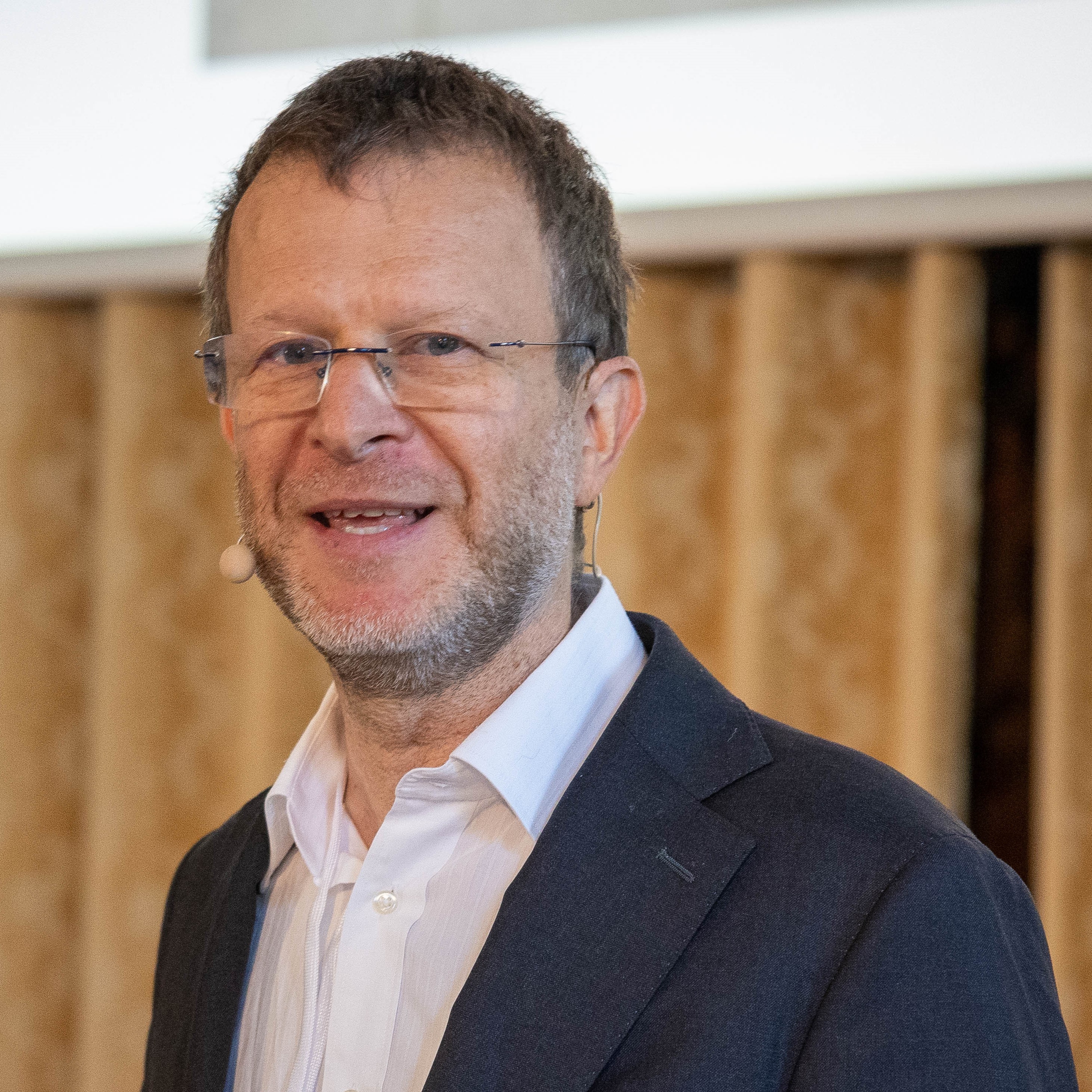
MARK VAN OMMEREN, PH.D.
Mark van Ommeren, Ph.D., is Head of the Mental Health and Substance Use Unit in WHO headquarters in Geneva. He has played a key role in the initiation and/or development of a wide range of inter-agency and WHO initiatives, in the areas of humanitarian response, non-specialized/primary health care, low-Intensity/scalable psychological interventions (including the ACT-based WHO interventions Doing What Matters in Times of Stress and Self-Help Plus (SH+)), suicide prevention, pre-service training, service development and epidemiology. He coordinated the writing of WHO’s World Mental Health Report: Mental Health for All.
Dr. van Ommeren will be giving the following presentation: Mental Health and Psychosocial Support in Large Scale Humanitarian Settings: Lessons Learned
- Dr. van Ommeren's Abstract
What advice can we give to decision-makers with some, but finite, resources for mental health responsible for 100,000s of people recently affected by war or disaster? Helping everybody severely distressed? Helping everybody at risk of a mental disorder? Helping everybody with a mental disorder? Helping everybody with a severe mental disorder? Helping people with certain priority conditions only, such as posttraumatic stress? Helping everybody who seeks help? Helping everybody? And what is the potential role of psychological interventions, including ACT ? Must these be open access? And can these successfully be operationalized to be effective at scale? This talk discusses how WHO has considered and responds to these dilemmas.
KELLY WILSON, Ph.D.
Kelly G. Wilson Ph.D., is Professor Emeritus of Psychology at the University of Mississippi and a co-founder of Acceptance and Commitment Therapy (ACT). He is the author of over 100 articles and chapters and eleven books, including Mindfulness for Two, Things Might Go Terribly, Horribly Wrong, and Terapia de Aceptión y Compromiso: Un Tratamiento Conductual Orientado a los Valores. Dr. Wilson is known for his deeply human, story-infused teaching style and his emphasis on the emotional and relational core of ACT. He has led workshops in over 40 countries, training clinicians in contextual behavioral science and the art of therapeutic presence. His work integrates behavioral science, mindfulness, compassion, and an abiding appreciation for lived human experience.
Dr. Wilson will be giving the following presentation: The Place of Poetics in Contextual Behavioral Science: Lessons from “A Case History in Scientific Method”
- Dr. Wilson's Abstract
In this plenary, I will explore the role of poetics within contextual behavioral science, with particular attention to how it can shape the doing and teaching of psychotherapy. By poetics, I do not mean ornament or metaphor alone, but a disciplined sensitivity to the tone, form, rhythms, textures, and unfolding of lived experience.
Human motivation is often opaque and rife with contradiction. We are shaped over time by the questions we encounter—some spoken plainly, others embedded in the quiet demands of family, work, love, and culture. Much of what we call identity emerges in response to those pressures. Although we are aware of some aspects of this shaping process, a great deal of learning and motivation occurs outside the bright, dumb light of awareness.
A poetic stance does not rush to explanation or correction. Instead, it slows, listens, and follows the living structure of experience as it reveals itself in relationship. In that shared light—between therapist and client, teacher and student, human and human—complexity is not reduced but honored. When we are willing to remain present to uncertainty, without collapsing into the certainty of pedagogy or technique, paths appear that are dignified, meaningful, and worth the pain they require. Poetics, in this sense, names the creative and ethical discipline of staying with what is alive long enough for transformation to arrive.
I am not calling for a rejection of science, but for a right-sizing of a particular scientific posture, and for recognition that this sensibility runs deeply through the intellectual history of contextual behavioral science.
2026 Invited Speakers
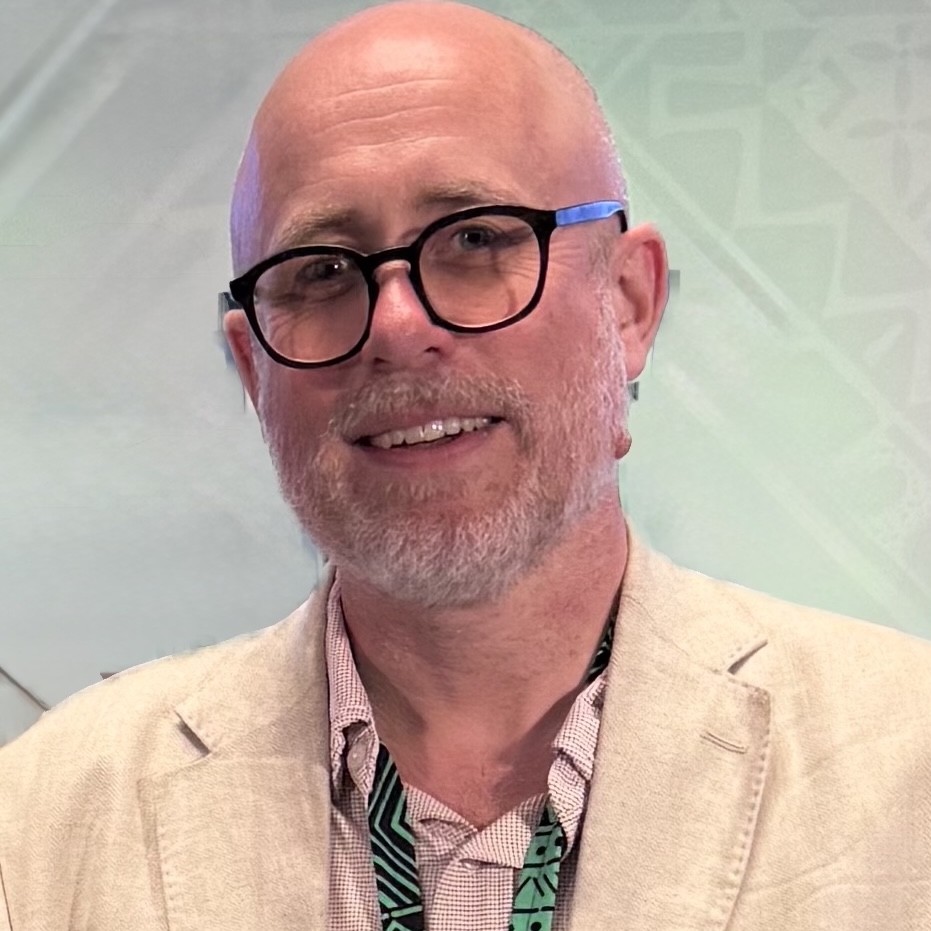
Ken Carswell, DClinPsy
Dr. Ken Carswell is a clinical psychologist and Mental Health Specialist at WHO Headquarters in Geneva. He serves as the focal point for psychological interventions, digital mental health and innovation, in the Department of Noncommunicable Diseases and Mental Health. He leads projects that develop and deploy psychological interventions and harness digital technologies and to improve mental health globally.
He has played a central role in the development, evaluation, and implementation of evidence-based, scalable psychological interventions. These include Self-Help Plus (SH+), an ACT based multimedia stress management course; Doing What Matters In Times of Stress (DWM), an ACT based self-help guide, related to the SH+ course; Step-by-Step, a digital intervention for adults experiencing depression; and STARS, a chatbot-based intervention for young people experiencing significant psychological distress. He has also played a central role in the development and implementation of the WHO/UNICEF EQUIP initiative for competency assessment and development.
Most recently, Dr. Carswell has supported nationwide implementation of digital and group based self-help interventions in Lebanon, Thailand, and Ukraine, and he regularly advises stakeholders on how to implement, strengthen, and scale psychological interventions. He is also co-leading the department’s work to better understand the diverse impacts of digital technology on mental health.
Dr. Carswell will be giving the following presentation: ACT based psychological interventions for global use: key lessons from the work of the World Health Organization
- Dr. Carswell's Abstract
Globally, more than a billion people live with a mental health condition, with the majority unable to access evidence-based care. Over the past decade, The World Health Organization (WHO) has developed and tested a number of open-access, evidence-based psychological interventions, which have now been implemented in different countries. Two related interventions are based on Acceptance and Commitment Therapy (ACT) - Self-Help Plus (SH+) and Doing What Matters in Times of Stress (DWM).
This talk will introduce WHO’s work in this area, the two interventions – SH+ and DWM - and then reflect on key challenges, successes and lessons. It will consider critical design, development and implementation factors and will aim to offer practical and actionable considerations when deploying SH+ or DWM, especially in low-resource and conflict-affected settings.
Déborah Ducasse, M.D.
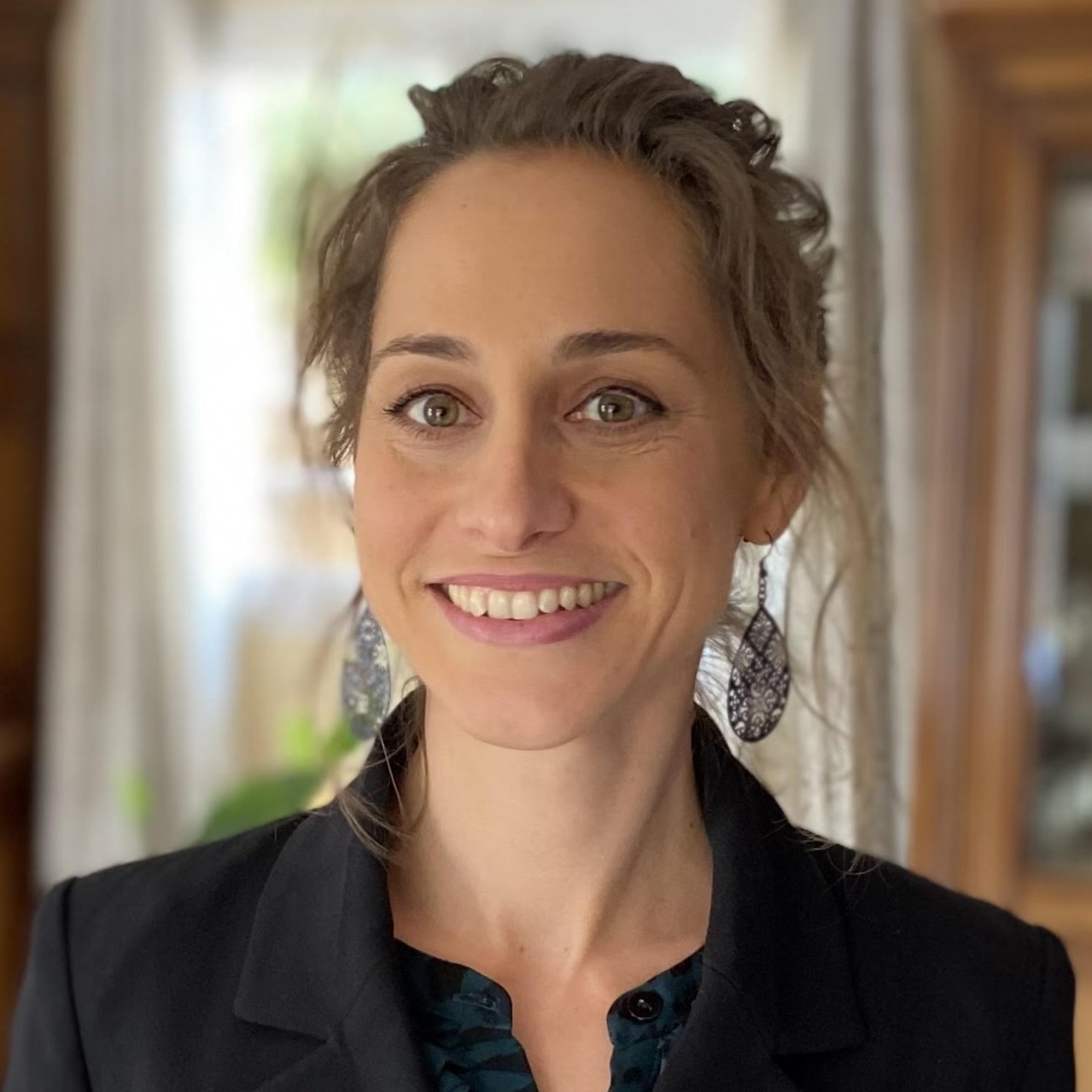
Déborah Ducasse, M.D., is a psychiatrist and head of the Centre for Therapies for Mood and Emotional / Borderline Disorders at the University Hospital of Montpellier (CHU Montpellier), France. She specialises in third-wave CBT, particularly Acceptance and Commitment Therapy (ACT), for suicidality and borderline personality disorder. She is the author of several clinical books on BPD, including Psychothérapie du trouble borderline (Elsevier-Masson), Le Trouble borderline expliqué aux proches (Odile Jacob), and Borderline : cahier pratique de thérapie à domicile (Odile Jacob), which was published in English by Johns Hopkins University Press as The Borderline Personality Disorder Workbook: Understanding Your Emotions, Managing Your Moods, and Forming Healthy Relationships. Her research is conducted at the Institut de Génomique Fonctionnelle (IGF) and focuses on process-based psychotherapy, borderline personality disorder, and mechanisms linking self-representation, neuroscience, and suicidal behaviour.
Dr Déborah Ducasse est médecin psychiatre, responsable du Centre de Thérapies Troubles de l’humeur et Emotionnels / Borderline au Centre Hospitalier Universitaire (CHU) de Montpellier, en France. Elle est spécialisée dans les Thérapies Cognitives et Comportementales (TCC) de troisième vague, en particulier l’Acceptance and Commitment Therapy (ACT), appliquées à la suicidalité et au trouble de la personnalité borderline. Elle est l’autrice de plusieurs ouvrages cliniques sur le trouble borderline, dont Psychothérapie du trouble borderline (Elsevier-Masson), Le Trouble borderline expliqué aux proches (Odile Jacob) et Borderline : cahier pratique de thérapie à domicile (Odile Jacob), ce dernier ayant été publié en anglais par Johns Hopkins University Press sous le titre The Borderline Personality Disorder Workbook: Understanding Your Emotions, Managing Your Moods, and Forming Healthy Relationships. Ses travaux de recherche sont menés à l’Institut de Génomique Fonctionnelle (IGF) et portent sur les psychothérapies fondées sur les processus, le trouble de la personnalité borderline, et les mécanismes reliant représentation de soi, neurosciences et comportements suicidaires.
Dr. Ducasse will be giving the following presentation: Who Accepts, Who Acts? Self-Processes in ACT for Suicidality and Borderline Personality Disorder / Qui accepte, Qui agit ? Les processus basés sur le Soi dans l’ACT pour la suicidalité et le trouble de la personnalité borderline
- Dr. Ducasse's Abstract
People with borderline personality disorder (BPD) – which can be understood as a form of relational addiction – typically describe three interwoven forms of suffering: overwhelming emotional pain, a pervasive lack of meaningful, internally generated motivation, and a profound feeling of shame and disconnection. Suicidal ideation and behaviour can then emerge as functional attempts to escape these inner experiences. Acceptance and Commitment Therapy (ACT) offers a powerful process-based framework for working with these difficulties, but clinical practice raises a crucial question: who is the “self” that is asked to accept and to act? In this keynote, we will explore suicidality, both in general and as it manifests in BPD, through three psychological mechanisms—experiential avoidance, externally driven motivation, and self-evaluation based on social worth—each linked to a vulnerable, insecure sense of self. Drawing on an optimized use of the ACT Matrix, a deepened role for self-as-context, and recent advances in relational frame theory, I will show how a refined, self-process–focused delivery of ACT may transform suicidal trajectories more broadly, and those observed in BPD in particular.
Les personnes présentant un trouble de la personnalité borderline (TPB) - que l’on peut comprendre comme une forme d’addiction relationnelle - décrivent le plus souvent trois formes de souffrance étroitement intriquées : 1) une douleur émotionnelle envahissante, 2) un manque de motivation, stable, signifiante provenant d’une source intérieure, 3) un profond sentiment de honte et de déconnexion. Les idées et comportements suicidaires ont pour fonction d’échapper à ces expériences internes intolérables.
L’Acceptance and Commitment Therapy (ACT) offre un cadre puissant, fondé sur les processus, pour travailler avec ces difficultés, mais la pratique clinique soulève une question cruciale : quel est le « soi » à qui l’on demande d’accepter et d’agir ? Dans cette conférence plénière, nous explorerons la suicidalité, de façon générale et telle qu’elle se manifeste dans le TPB, à travers trois mécanismes psychologiques - l’évitement expérientiel, la motivation guidée par des sources externes et l’auto-évaluation fondée sur la valeur sociale perçue - chacun étant relié à une représentation de soi altérée. En nous appuyant sur un usage optimisé de la Matrice ACT, sur un approfondissement du rôle du soi-comme-contexte et sur les avancées récentes de la théorie des cadres relationnels, nous explorerons comment une mise en œuvre affinée de l’ACT, centrée sur les processus liés au Soi, peut transformer les trajectoires suicidaires de manière générale, et plus spécifiquement celles observées dans le trouble borderline.
Bénédicte GENDRON, Prof. Dr.
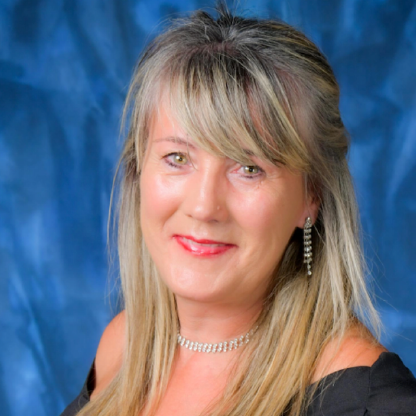
Bénédicte Gendron, Prof. Dr. Dr., is a former Vice-President of the University of Montpellier Paul-Valéry (UMPV), where she also served as Co-Director of Continuing Higher Education and Head of PEPITE-LR (Student Innovation, Transfer and Entrepreneurship). She holds two PhDs, one Ph’D in Human Resource Economics (Paris School of Economics, Paris I Panthéon-Sorbonne) and one Ph’D in Psychology and Neuro-psychopathology (UMPV), conducted postdoctoral research at UC Berkeley’s Graduate School of Education (POME), and is certified in Wellness & Lifestyle Medicine through Harvard Medical School Executive Education.
Her work lies at the intersection of economics, neuropsychology, lifestyle medicine, and human resource development in education. She first introduced (2002) the economic concept of emotional capital (Cros Prize, French Academy award, 2006 and Prize 2011 and 2012 of AFPSSU- Elsevier Editions- MGEN), establishing a foundational link between emotional and human capital. Building on this, she developed the frameworks of capacitating leadership and pedagogy (2015), exploring how individuals and systems expand their agency, converting through capacitation their capabilities into competence to act. Since 2016, she has advanced the paradigm of bienvivance, a psycho-socio-economic model that emphasizes cultivating inner resources for outer regenerative transformation rooted in and extending the transformative learning tradition. It addresses global challenges of a bienvivance economy including vitality and meaning, flowrishing (flow + flourishing), co-vivance, inclusive excellence, agency, creativity: toward zero human and resource waste.
Certified and trained in socio-emotional skills’ evaluation (EQI 2.0) and MBSR and ACT, she is also certified from Harvard Medical School in Executive Education on Wellness & Lifestyle. She is member of Goleman's CREIO since 2006, and executive committee member of Karanga, The global alliance for Socio-emotional learning and life skills world alliance. She is the co-convenor of the World Education Research Association-International Research Network “Inclusive Excellence and Bienvivance”. She serves as an external expert for OECD, CERI, European Commission, CEDEFOP, UNESCO and other international, national scientific organizations, and on several editorial boards of scientific journals. Her researches have been published in number of journals, books and chapters.
Dr. Gendron will be giving the following presentation: Regenerative IMP'ACT: Inner Resources Development for Outer Transformations, Toward Bienvivance
- Dr. Gendron's Abstract
Psychological suffering exceeds medical boundaries. Drawing on two decades of interdisciplinary research in healthcare, education, and leadership, studies mobilizing the IMP’ACT protocol (Inner Management of Peace’ Acceptance and Commitment Training), inspired by ACT, enriched by mindfulness and other CBS approaches, show how developing emotional capital and mobilizing inner resources foster capacitation: the conversion of capabilities into competence to act, generating individual and systemic regenerative transformation.
Applied to psychosocial risk prevention in nursing care (BQR-UM-RPS 2011-2014), student anxiety (ANR-IDEFI-UM3D-15b-2013-2021), and executive training for capacitating leadership (Master 2 REFE/RESET, 2012-…), this process is framed within the bienvivance paradigm: vitality and meaning, inner peace, acceptance, and committed action toward flowrishing (flow + flourishing), working toward a shared meaningful existence.
This keynote demonstrates the power and scalability of CBS, from individual regeneration to systemic transformation, repositioning these sciences as potent frameworks for human and organizational development against everyday distress and transformation imperatives across diverse contexts, to strive toward bienvivance.

Jessica Kingston, DClinPsy, Ph.D.
Jessica Kingston, DClinPsy, Ph.D. is an Associate Professor in Clinical Psychology and Research Director for the Doctorate in Clinical Psychology at Royal Holloway, University of London. Her primary research interest is on experiences of paranoia in young people and adults, in clinical and general population settings, with a focus on early identification and targeted treatment. She specializes in Acceptance, Mindfulness and Values-based approaches to mental health and has authored over 60 peer reviewed articles, book chapters and magazine articles. Jess is a research enthusiast, working as Research Director on the Doctorate in Clinical Psychology at Royal Holloway. Jess is also a Clinical Psychologist and has worked clinically with individuals with a broad range of mild to severe mental health difficulties, including children, adolescents and adults in community and inpatient settings.
Dr. Kingston will be giving the following presentation: “Even if I am with the nicest person; I am on my guard”: Using CBS to Enhance Interpersonal Safety and Trust
- Dr. Kingston's Abstract
A defining feature of Contextual Behavioural Science (CBS) is its commitment to improving meaningful life outcomes for people experiencing psychological suffering. For many, valued outcomes include building close, safe, and fulfilling relationships. However, for individuals who experience paranoia—exaggerated fears that others intend to cause you harm—social connection can become a source of threat rather than safety. Across clinical and general population settings, paranoia is associated with distress, avoidance, and isolation, limiting opportunities for valued action and sustained interpersonal support.
This plenary will draw on a programme of research examining paranoia across adolescent and adult populations, focusing on psychosocial processes that shape the development of interpersonal threat beliefs and their impact on daily functioning. This work conceptualises paranoia as a dimensional phenomenon and an understandable response to social context and learning histories, often emerging alongside experiences such as bullying, adversity, discrimination, anxious attachment, and loneliness. The plenary will consider how key CBS processes—including mindfulness, values, and cognitive defusion—can inform understanding of the development, maintenance, and treatment of paranoia, with implications for supporting reconnection and valued living.
Marion Trousselard, M.D., PH.D., HDR
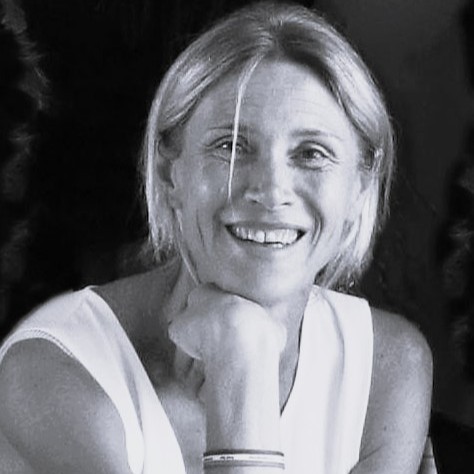
Marion Trousselard, M.D., Ph.D., is a physician–researcher and full professor specialized in neuroscience, cognitive sciences, and clinical psychology. She holds an MD, a PhD in neuroscience, an HDR (habilitation to supervise research), and a Doctorate in Ethics, and is also a licensed clinical psychologist.
She currently serves as Professor at the École des Psychologues Praticiens and is a senior researcher at the French Armed Forces Biomedical Research Institute (IRBA). Her work focuses on stress physiology, human adaptation in extreme and operational environments, mindfulness-based and non-pharmacological interventions, decision-making, and psychotrauma in military populations.
She has led and coordinated numerous large-scale research and innovation projects funded by the French Ministry of Defense, supervised doctoral research, and held major leadership positions in military health, including Head of Military Operational Health Division. Her interdisciplinary research integrates neuroscience, ethics, and embodied cognition to support health, resilience, and agency in high-stress contexts.
Dr. Trousselard will be giving the following presentation: Enaction, Multisensory Stimulation, and Military Health: Toward an Integrated Understanding of Human Adaptation
- Dr. Trousselard's Abstract
Maintaining ecological sensory stimulation is a fundamental condition for human adaptation. Rooted in the enactive framework, this perspective considers individuals and environments as mutually co-determined, shaping one another. Cognition is understood as an active process of sense-making, grounded in embodied experience, perceptual–motor simulations, and dynamic coupling between perception, action, and internal bodily states. Adaptation relies on self-organization supported by rich and dynamic environments that sustain brain plasticity, cognitive flexibility, and vitality.
The 4E cognition framework (embodied, embedded, extended, and enacted) provides a coherent model for understanding these processes and for designing multisensory interventions. This approach is relevant in military contexts, where repeated intense stressors impair emotional regulation, decision-making, and adaptation, and contribute to psychotrauma, including post-traumatic stress disorder and moral injury.
In this context, mindfulness emerges as a lever for restoring perception–action coupling, enhancing regulation, discernment, and resilience. Evidence-based programs combining mindfulness, positive psychology, and sensory immersion illustrate how such interventions can restore agency, support psychological recovery, and promote reintegration. From this perspective, mindfulness may be understood as a pharmakon serving health, decision-making, and wellbeing.