Pre-Conference Intensive Workshops 2026
Pre-Conference Intensive Workshops 2026
and many more....
What to Expect
The 2026 Pre-Conference Workshops offer exciting VIRTUAL and IN-PERSON opportunities that will engage therapists and researchers of any skill level. Combining therapy role-plays, experiential exercises, case presentations, data graphics, focused lectures, and small group discussions, you can expect high-quality training from ACBS Pre-Conference Workshops. Continuing Education credits are available.
In-Person Workshops
These workshops will be held the two days immediately preceding the ACBS World Conference 2026.
Tuesday, 14 July and Wednesday, 15 July
9:00 - 17:00 Central European Summer Time
Location: Catholic University of Lyon (UCLY)
Contact Hours: 13 total
- Wonder and Wisdom: Building Flexibility across the Developmental Lifespan, Louise Hayes, Ph.D. - REGISTRATION CLOSED
- Focused ACT: Expanding the Reach of Contextual Behavioral Science in a Troubled World, Kirk Strosahl, Ph.D., Patti Robinson, Ph.D., Thomas Gustavsson, M.Sc.
- When Hope Feels Lost: Cultivating Presence, Courage, and Connection in the Treatment of Depression with Functional Analytic Psychotherapy (FAP), Mavis Tsai, Ph.D., Sarah Sullivan-Singh, Ph.D., Barbara Kohlenberg, Ph.D., Katia Manduchi, Ph.D., Stavroula Sanida, M.Sc.
- Deep Process, Brave Work: ACT and Exposure for Trauma Recovery, Robyn Walser, Ph.D. - REGISTRATION CLOSED
- ACT Beyond Protocols: Finding Beauty in the Midst of Darkness, Kelly G Wilson, Ph.D. - REGISTRATION CLOSED
- Virtual Workshops - Friday, 5 June and Saturday, 6 June
Format: LIVE online via Zoom.
Recordings will be available through 25 June 2026. We regret that we are unable to provide extended access to any registrant beyond 25 June.If you registered for a virtual pre-conference workshop, access links will be sent by 4 June. All links are sent via Zoom, so check your email for "[email protected]".
MORNING Workshops
9:00 to 13:00 UTC/GMT +2 (Central European Summer Time)
(8 hours total over two days; 7.5 total contact hours)- Process-Based Pathways to Self-Compassion in Neurodivergent People, Jennifer Kemp, MPsych(Clinical)
- Metaphors that Move, Matter and Make a Difference - A Creative, Experiential Workshop on Crafting Functionally Guided Metaphors That Bring Psychological Flexibility Processes to Life, Rikke Kjelgaard, M.Sc.
AFTERNOON Workshop
14:00 - 18:00 UTC/GMT +2 (Central European Summer Time)
(8 hours total over two days; 7.5 total contact hours)- 100 Key Points and Techniques in Acceptance and Commitment Therapy: A Practical Introductory Workshop, Joseph Oliver, PhD, PG Dip Clinical Psychology, Richard Bennett, DClinPsyc
- Psychedelic-Assisted Therapy Through an ACT Lens: Preparation, Dosing, and Integration, Brian Pilecki, Ph.D., Jason Luoma, Ph.D., Temple Morris, LCSW-C, Jenna LeJeune, Ph.D., Miranda Morris, Ph.D. (también en español)
100 Key Points and Techniques in Acceptance and Commitment Therapy: A Practical Introductory Workshop
100 Key Points and Techniques in Acceptance and Commitment Therapy: A Practical Introductory Workshop100 Key Points and Techniques in Acceptance and Commitment Therapy: A Practical Introductory Workshop
Dates and Location of this VIRTUAL 2-Day Workshop:
VIRTUAL LIVE online via Zoom
Recordings will be available through 25 June 2026. We regret that we are unable to provide extended access to any registrant beyond 25 June.
Automated Zoom captioning and automated Zoom translation available.
Friday, 5 June from 14:00 - 18:00 UTC/GMT +2 (Central European Summer Time) - click here to convert to your time zone
Saturday, 6 June from 14:00 - 18:00 UTC/GMT +2 (Central European Summer Time) - click here to convert to your time zone
Contact Hours: 7.5
Workshop Leaders:
 |  |
| Joseph Oliver, PhD, PG Dip Clinical Psychology | Richard Bennett, DClinPsyc |
Workshop Description:
This experiential workshop offers a practical and accessible introduction to Acceptance and Commitment Therapy (ACT), organised around the “head, hands, and heart” of ACT practice. The workshop places a strong emphasis on learning through experience, with participants actively engaging in experiential exercises, live demonstrations, role play, and behavioural rehearsal throughout the session.
Participants will be introduced to ACT’s theoretical foundations and core behavioural principles, alongside concrete techniques and in session strategies that can be applied immediately in clinical work. The workshop balances clear conceptual teaching with hands on practice, allowing participants not only to understand ACT intellectually, but to experience how ACT processes are actively modelled and practiced within sessions.
The structure is deliberately flexible. The beginning focuses on building a coherent conceptual foundation for ACT, while the later part is shaped by participant questions and clinical challenges. This allows the facilitators to respond to the needs of the group while demonstrating ACT consistent clinical decision making in real time. By the end of the workshop, participants will have a clear understanding of ACT and a practical toolkit to support integration into their existing therapeutic approach.
Background and rationale
Acceptance and Commitment Therapy is increasingly recognised as an effective and flexible approach for addressing a wide range of psychological difficulties. Despite this, many therapists report feeling overwhelmed by ACT’s theoretical breadth and uncertain about how to translate ACT concepts into moment to moment clinical interventions.
This workshop is designed to bridge that gap by offering a clear, structured introduction that integrates theory, technique, and therapeutic process. ACT is presented through the organising framework of the “head” (theoretical foundations), the “hands” (interventions and techniques), and the “heart” (context, strategy, and the therapeutic relationship). This structure supports participants to develop confidence in both understanding ACT and applying it flexibly in practice.
Workshop structure and teaching methods
The workshop combines structured teaching with intensive experiential learning delivered in an online format.
The early part focuses on introducing ACT’s theoretical foundations and core processes through interactive teaching, brief experiential exercises, and live demonstrations by the presenters.
The later session is participant led and responsive to the group’s learning needs. Participants are encouraged to bring questions, clinical dilemmas, and cases. These are explored through live demonstrations, role play conducted in breakout rooms, behavioural rehearsal, video examples, and facilitated large group discussion. Throughout the workshop, participants are supported to reflect on both the techniques used and the therapeutic process, with particular attention to how experiential ACT work can be delivered effectively.
Who should attend
This workshop is suitable for mental health professionals with prior therapy training who are interested in learning ACT. It is appropriate for participants with no previous ACT experience, as well as those with some familiarity who want to strengthen their conceptual understanding and practical skills.
The workshop will be especially useful for clinicians trained in cognitive behavioural approaches who want to expand their therapeutic repertoire with an evidence based, process focused model that integrates readily with existing practice.
About the Workshop Leaders:
- Joseph Oliver, Ph.D., PG Dip Clinical Psychology
Dr Joe Oliver is a consultant clinical psychologist and founder of Contextual Consulting, an organisation providing training, supervision, and therapy in Acceptance and Commitment Therapy (ACT). He is also an Associate Professor and Programme Director for the University College London CBT for Severe Mental Health Problems postgraduate programme.
Joe is an active member of the Association for Contextual Behavioral Science (ACBS) and previously served as Secretary of the ACBS UK and Ireland Chapter Board. He is a peer reviewed ACT trainer and an ACBS Fellow. Joe regularly delivers ACT and contextual cognitive behavioural therapy training nationally and internationally.
He has authored six ACT books, including Acceptance and Commitment Therapy and Mindfulness for Psychosis and ACTivate Your Life (2nd edition), as well as several professional texts including Acceptance and Commitment Coaching, ACT: 100 Key Points and Techniques, and The Mindfulness and Acceptance Workbook for Self Esteem.
- Richard Bennett, DClinPsyc
Dr Richard Bennett is a clinical psychologist and cognitive behavioural psychotherapist, and an Associate Professor in Psychology at the University of Birmingham. He worked for over 20 years in adult and forensic mental health services within the NHS before establishing Think Psychology, an independent psychology practice providing therapy, supervision, and training, and ACTivatingyourpractice.com.
Richard is an active member of the Association for Contextual Behavioral Science (ACBS) and the British Association for Behavioural and Cognitive Psychotherapies (BABCP). He is accredited by the BABCP as a psychotherapist, supervisor, and trainer, certified as a supervisor by the Albert Ellis Institute, and recognised as both an ACBS Fellow and peer reviewed ACT trainer.
He is co editor of Rational Emotive Behaviour Therapy in Sport and Exercise and co author of Acceptance and Commitment Therapy: 100 Key Points and Techniques, The Mindfulness and Acceptance Workbook for Self Esteem, and Acceptance and Commitment Therapy: Responses to Frequently Asked Questions. Richard also co hosts the podcast Two Old Psychologists Talking About Stuff.
Following this workshop participants will be able to:
- Describe the core philosophical and behavioural principles that underpin Acceptance and Commitment Therapy.
- Identify the six core ACT processes and explain how they interact to promote psychological flexibility.
- Demonstrate basic ACT consistent assessment and case formulation strategies.
- Apply a range of ACT techniques to activate acceptance, defusion, present moment awareness, values, and committed action.
- Structure ACT interventions within therapy sessions in a way that is coherent and flexible rather than protocol driven.
- Make strategic clinical decisions informed by ACT processes and functional analysis.
- Describe common process level challenges in ACT practice, including experiential avoidance and over intellectual engagement.
- Demonstrate how to engage clients experientially in ACT exercises rather than focusing primarily on verbal explanation.
- List therapist stance and therapeutic relationship factors that support effective ACT work.
- Demonstrate how to integrate ACT principles and techniques into their existing therapeutic model.
Target audience: Beginner, Intermediate
Components: Experiential exercises, Didactic presentation, Case presentation, Role play
Topic Areas: Clinical, Relational Frame Theory
Package Includes: A general certificate of attendance
CE Credit Hours Available (7.5 hours): CEs for psychologists
CEs are not available for recorded viewing.
ACT Beyond Protocols: Finding Beauty in the Midst of Darkness
ACT Beyond Protocols: Finding Beauty in the Midst of DarknessThis workshop is full - REGISTRATION CLOSED
To see other available Pre-Conference Workshops click here!
ACT Beyond Protocols: Finding Beauty in the Midst of Darkness
 Presented in English, also available for session attendees (in Lyon) via simultaneous AI (artificial intelligence) translation software in 50+ languages. More details available here.
Dates and Location of this IN-PERSON 2-Day Workshop:
IN-PERSON at Catholic University of Lyon (UCLY)
Tuesday, 14 July 2026 from 9:00 - 17:00 Central European Summer Time
Wednesday, 15 July 2026 from 9:00 - 17:00 Central European Summer Time
Contact Hours: 13
Workshop Leader:
 |
| Kelly G Wilson, Ph.D. |
Workshop Description:
Beginning in the mid-1980s, clinical psychology borrowed a scientific template designed for testing drugs—and quietly reshaped psychotherapy in its image. Treatment manuals became the “active ingredient,” DSM diagnoses became the disease, and randomized trials became the arbiter of legitimacy. This metaphor has been costly. It has distorted how we think about psychotherapy, how we train clinicians, and what we count as clinical knowledge.
Psychotherapy is not a pill. It is not inert, stable, or independent of the person delivering it. An antibiotic works the same no matter who hands you the pill. But who the therapist is matters—how they listen, how they respond, how they participate. The therapist is not a vessel from which a protocol is poured. And psychological suffering is not disease. Despite its claims to neutrality, the DSM rests on a latent disease model that treats syndromes as placeholders for to-be-discovered diseases. But most DSM categories function more like symptoms than illnesses—signals that invite process-level understanding rather than diagnostic finality.
Good therapy does not simplify this complexity; it works inside it. And in doing so, it can free people to live with more openness and vitality. The discomfort of not knowing precisely where the arc of therapy will take us is not a flaw—it is a feature.
From this perspective, psychotherapy is creative work. It is co-constructed, moment by moment, by therapist and client. While many frameworks offer guiding principles, my own work is grounded in contextual behavioral science. I will not offer a procedural roadmap. Instead, I will focus on the phenomenology of the work, while remaining faithful to underlying processes.
Every major psychotherapy model began as a process-based approach. Psychoanalysis never lost sight of process. Early behavior therapy and later cognitive therapy were also built from process models, even as they diverged in emphasis. Importantly, the treatments we now label “evidence-based” were developed before the DSM had stabilized and before modern RCTs existed. They emerged from theory, observation, and sustained engagement with individual lives. It may be time to question whether our fixation on averages has cost us attention to what actually moves therapy forward, here and now.
ACT does not divide the world into sick clients and healthy therapists. We are not different kinds of beings. Some suffering is more acute, more constraining, more unjust—but the roots of suffering are shared. If you look honestly at your own struggles, you will find echoes of the struggles that bring people to therapy. This is a tremendous asset and properly understood can help you to guide treatment.
Language-capable humans are uniquely vulnerable to suffering because of language itself. We do not merely feel pain—we narrate it, revisit it, anticipate it. We suffer that we have suffered, and that we might suffer again. Our primary response is problem-solving, a mode of mind that has enabled extraordinary human achievements. It also produces endless stories—about who we are, what is possible, and what must (or must never) happen in order for life to improve.
Some stories expand life. Others quietly shrink it. They impose limits that feel necessary, inevitable, and “true.” And once life becomes small enough, people stop imagining anything else. They learn to live inside the ache.
Many clients arrive having once expected more from life—and having slowly given that expectation up. Some because the world disappointed them. Some because they concluded they were undeserving. Some because they never learned to imagine otherwise.
ACT rests on a basic science suggesting that these stories need not make a prison of life. Their grip can loosen. When it does, life does not become easy—but it often becomes wider, richer, and worth every ache and pain.
This workshop will approach ACT as lived practice rather than protocol. It will be experiential and creative. Work with self and identity will be woven throughout acceptance, defusion, present-moment awareness, values, and committed action—not as an add-on, but as a central thread. We will examine these processes from the inside out.
Although this workshop is not an introduction to ACT, it will be conducted in plain language, with an emphasis on staying close to lived experience. No prior background in ACT is required. For those familiar with ACT, the workshop will deepen understanding of core principles and expand the capacity to use them flexibly in the service of therapeutic connection. The workshop is appropriate for beginners and veteran therapists alike.
Principles will be introduced sparingly. Most of our time will be spent doing the work—so that what happens here changes how you sit with your very next client.
About the Workshop Leaders:
- Kelly G Wilson, Ph.D.
Kelly G. Wilson, Ph.D., is Professor Emeritus of Psychology at the University of Mississippi and a co-founder of Acceptance and Commitment Therapy (ACT). He is the author of over 100 articles and chapters and eleven books, including Mindfulness for Two, Things Might Go Terribly, Horribly Wrong, and Terapia de Aceptión y Compromiso: Un Tratamiento Conductual Orientado a los Valores. Dr. Wilson is known for his deeply human, story-infused teaching style and his emphasis on the emotional and relational core of ACT. He has led workshops in over 40 countries, training clinicians in contextual behavioral science and the art of therapeutic presence. His work integrates behavioral science, mindfulness, compassion, and an abiding appreciation for lived human experience.
Following this workshop participants will be able to:
- Describe how the adoption of medical and pharmacological research models in the late 20th century influenced prevailing assumptions about psychotherapy, therapist roles, and treatment development.
- Differentiate protocol-driven psychotherapy from process-based approaches, including how each model organizes therapist–client collaboration in clinical practice.
- Identify therapist variables (e.g., presence, responsiveness, participation) that function as active components of the therapeutic context.
- Explain how a process-oriented understanding of psychological suffering supports collaborative case formulation and ongoing clinical decision-making.
- Demonstrate the ability to notice and track, in real time, shifts in therapeutic dialogue between contexts of limitation and contexts of possibility.
- Apply ACT-consistent, collaborative methods to explore with clients how verbal narratives, rules, and self-stories influence lived experience and behavioral flexibility.
- Integrate work with self and identity into acceptance, defusion, present-moment awareness, values, and committed action through shared experiential practice.
- Use the principles slow is fast, small is big, and less is more to guide the pacing and sequencing of collaborative therapeutic interactions.
- Formulate values-based therapeutic directions and next steps collaboratively with clients, grounded in the client’s current context and expressed values.
- Engage in experiential exercises and structured dialogues that enhance the therapist’s capacity for flexibility, presence, and creativity in the face of clinical uncertainty.
Target audience: Beginner, Intermediate, Advanced, Clinical
Components: Conceptual analysis, Experiential exercises, Didactic presentation, Roleplay, interviewing to foster creativity
Topic Areas: Clinical, Theoretical and philosophical foundations
Package Includes: A general certificate of attendance
CE Credit Hours Available (13 hours): CEs for psychologists
Deep Process, Brave Work: ACT and Exposure for Trauma Recovery
Deep Process, Brave Work: ACT and Exposure for Trauma RecoveryThis workshop is full - REGISTRATION CLOSED
To see other available Pre-Conference Workshops click here!
Deep Process, Brave Work: ACT and Exposure for Trauma Recovery
Presented in English, also available for session attendees (in Lyon) via simultaneous AI (artificial intelligence) translation software in 50+ languages. More details available here.
Dates and Location of this IN-PERSON 2-Day Workshop:
IN-PERSON at Catholic University of Lyon (UCLY)
Tuesday, 14 July 2026 from 9:00 - 17:00 Central European Summer Time
Wednesday, 15 July 2026 from 9:00 - 17:00 Central European Summer Time
Contact Hours: 13
Workshop Leader:
 |
| Robyn Walser, Ph.D. |
Workshop Description:
Trauma and its fallout do more than generate symptoms, they reorganize behavior, learning histories, and relational patterns in ways that can entrench rigidity and restrict meaningful living. Acceptance and Commitment Therapy (ACT) offers a powerful, process-based, and client-centered approach that addresses these complexities by targeting psychological flexibility at its functional roots. Rather than relying on protocolized steps, ACT helps trauma survivors establish safety, compassion, perspective, and willingness in support of engaging meaningfully with painful histories. Within this framework, exposure becomes not simply a recounting of traumatic events but a carefully timed, functionally informed experiential process that reduces avoidance, fosters reconnection, and enables clients to move toward values-based living. This workshop is designed for clinicians who want to deepen their skills in ACT’s nuanced application to trauma while incorporating exposure principles that are both effective and consistent with ACT’s ethos of openness, courage, and compassionate engagement.
Across two days, we will examine clinical strategies for integrating ACT with trauma-focused work, including ACT-informed exposure, functional assessment of avoidance repertoires, precision timing of interventions, and process discrimination skills. We will explore how to work effectively with clients experiencing complex trauma, chronic dissociation, entrenched avoidance, and moral injury—contexts in which psychological inflexibility is often maintained within the relational space itself. Participants will learn how to shape exposure that is not merely retelling, but an experiential reintegration process rooted in present-moment awareness, self-as-context, compassion, and values-based meaning-making. We will also address how to navigate clinical dilemmas such as therapeutic ruptures, activation that outpaces regulation, and therapist-side behavioral responses shaped by the client’s interpersonal cues—signals that can emerge in boundary-challenging or morally evocative trauma presentations and that require skilled functional analysis to work with effectively.
This workshop will be highly experiential and practice-oriented, offering opportunities for live demonstrations, small-group process work, and deliberate practice focused on the subtler competencies of trauma-focused ACT. We will address pacing and titration, recognizing “early warning signs” of functional drift, the subtle shift in therapist or client behavior from promoting psychological flexibility to inadvertently reinforcing avoidance or control, and using moment-to-moment behavioral data, including relational cues, to guide intervention choices with greater nuance and integrity. Clinicians will leave with a refined conceptual framework, increased precision in applying ACT processes under emotionally and ethically complex conditions, and enhanced confidence in guiding clients through transformative exposure work that supports reconnection, resilience, and post-traumatic growth. Ultimately, participants will emerge better equipped to help clients move from trauma-shaped living toward a more open, values-guided way of being and living in the world.
About the Workshop Leaders:
- Robyn D. Walser, Ph.D.
Robyn D. Walser, Ph.D., is an internationally recognized clinical psychologist, educator, and author. She is the Director of Trauma and Life Consultation and Psychology Services, Assistant Professor at the University of California, Berkeley, and Director of Research at Bay Area Trauma Recovery Clinical Services. Dr. Walser has made significant contributions to the dissemination of Acceptance and Commitment Therapy (ACT) and held a pivotal role in implementing ACT within one of the US's largest national healthcare systems. She worked at the National Center for PTSD, where her work focused on trauma recovery, depression, and moral injury. A writer and scholar, Dr. Walser has co-authored nine influential books on ACT, including "You Are Not Your Trauma" and "The Heart of ACT: Developing a Flexible, Process-Based, and Client-Centered Practice Using Acceptance and Commitment Therapy." Her research and clinical expertise have made her a sought-after voice in advancing the application of ACT to address various complex psychological challenges. Since 1997, Dr. Walser has led ACT workshops worldwide, bringing her deep understanding and passion for process-based, experiential learning to therapists and clinicians. Known for her client-centered approach, Dr. Walser's teaching emphasizes the integration of evidence-based practices with human connection and flexibility. To learn more about her work and join her newsletter list, visit robynwalser.com.
Following this workshop participants will be able to:
- Design ACT-informed exposure procedures that emphasize experiential reintegration, psychological flexibility processes, and values-based engagement rather than rote retelling of traumatic events.
- Use the therapeutic relationship as a live context for shaping psychological flexibility, recognizing moments when relational contact, vulnerability, and interpersonal tension can function as opportunities for experiential learning.
- Conceptualize trauma presentations using a process-based ACT model, identifying how psychological inflexibility is maintained through experiential avoidance, disrupted learning histories, shame, and other fallout of trauma.
- Identify and address common barriers that arise during exposure, including emotional numbing, cognitive detours, dissociation, and avoidance masked as engagement.
- Apply self-as-context, present-moment awareness, and compassion processes to support stabilization, perspective-taking, and emotional openness during trauma-focused work.
- Use moment-to-moment behavioral data, including verbal and nonverbal relational cues, to shape intervention timing, pacing, and titration during exposure and trauma processing.
- Navigate relational challenges and therapeutic ruptures by analyzing the function of ruptures and implementing ACT-consistent repair processes that restore safety and therapeutic momentum.
- Differentiate therapist-side behavioral responses shaped by client cues (e.g., avoidance, accommodation, overprotection) and implement strategies to maintain therapeutic flexibility and presence.
- Adapt ACT and exposure interventions for clients with complex trauma presentations, including dissociation, moral injury, and high shame/avoidance patterns.
- Enhance their own psychological flexibility in moments of relational activation, using self-as-context, compassion, and willingness to remain present and effective during emotionally charged therapeutic encounters.
Target audience: Beginner, Intermediate, Advanced, Clinical
Components: Conceptual analysis, Literature review, Experiential exercises, Didactic presentation, Case presentation, Role play
Package Includes: A general certificate of attendance
CE Credit Hours Available (13 hours): CEs for psychologists
Focused ACT: Expanding the Reach of Contextual Behavioral Science in a Troubled World
Focused ACT: Expanding the Reach of Contextual Behavioral Science in a Troubled WorldFocused ACT: Expanding the Reach of Contextual Behavioral Science in a Troubled World
Presented in English, also available for session attendees (in Lyon) via simultaneous AI (artificial intelligence) translation software in 50+ languages. More details available here.
Dates and Location of this IN-PERSON 2-Day Workshop:
IN-PERSON at Catholic University of Lyon (UCLY)
Tuesday, 14 July 2026 from 9:00 - 17:00 Central European Summer Time
Wednesday, 15 July 2026 from 9:00 - 17:00 Central European Summer Time
Contact Hours: 13
Workshop Leaders:
 |  | 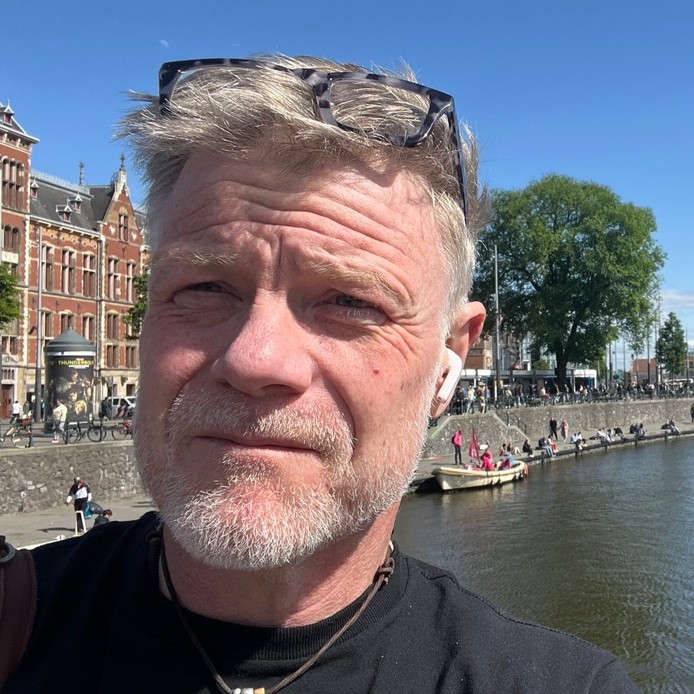 |
| Kirk Strosahl, Ph.D. | Patti Robinson, Ph.D. | Thomas Gustavsson, M.Sc. |
Workshop Description:
Helping professionals around the globe are facing an unprecedented increase in requests for behavioral healthcare, often in the context of diminishing community resources. To address this crisis, there is pressing need to implement time-efficient, effective brief intervention approaches that can increase access to care for those in need. Focused ACT (FACT) is one such brief intervention approach that promotes engagement with a broad range of people of different cultures. FACT emphasizes immediate access to care, a family focus, sensitivity to cultural context, and immediate attention to improved functioning.
In this 2-day workshop, participants will learn a core-competency-based approach to developing FACT skills for assessing, conceptualizing, reframing and promoting radical behavior change for people of all ages presenting with mental health, substance use, and/or medical problems. Healthcare providers with less training in talking therapies can learn FACT from mental health providers trained to competency in this highly transferable approach to reducing human suffering. The practice of FACT can be adapted by the user to their practice context and the expectations and needs of patients driven by setting demands. This means that FACT, as a behavioral consultation approach to behavior change, can be used in traditional mental health settings and in hospital and outpatient healthcare settings.
The FACT model is organized around a four step model known as CAARE (Context, Approach, Avoidance, Redesign, Expand). Each letter stands for a set of specific clinical tasks completed by the helping professional. The workshop provides a package of practice tools to facilitate learning and “teaching Focused ACT forward” to others. Our educational methods involve a mix of didactic, experiential, and skill-based training activities. At the conclusion of the workshop, participants will use the FACT Core Competency Tool as a self-assessment, and, based on results, develop an individual learning plan to further develop needed skills and knowledge.
About the Workshop Leaders:
- Kirk Strosahl, Ph.D.
Dr. Strosahl is a co-founder of Acceptance and Commitment Therapy and has long been a chief proponent of using Focused ACT (FACT) as a brief intervention. He has co-authored professional books on FACT, including Brief Interventions for Radical Change: Principles and Practice of Focused Acceptance and Commitment Therapy. (Robinson & Gustavsson, co-authors, 2012, New Harbinger Publications), and Inside This Moment: Promoting Radical Change in Acceptance and Commitment Therapy (Robinson & Gustavsson, co-authors, 2015, New Harbinger Publications). He has also co-authored best-selling ACT self-help books, including The Mindfulness and Acceptance Workbook for Depression, 2nd Edition (Patricia Robinson, co-author, 2018, New Harbinger Publications). He co-authored a book on Focused ACT for psychiatric practitioners, Learning Acceptance and Commitment Therapy: The Essential Guide to the Process and Practice of Mindful Psychiatry (co-authors Goubert, Torneke, Purrsey, Loftus & Roberts, 2020, American Psychiatric Publishing). Recently, he co-authored a book on using FACT for clients in crisis, Crisis integration with Acceptance and Commitment Therapy: Theory and practice (co-author Carlsson, 2023, American Psychiatric Publishing). Dr. Strosahl has conducted numerous training workshops on FACT around the world. Because his approach to teaching is so clinician oriented, accessible and practical, Dr. Strosahl has been referred to as the “hands of ACT”.
- Patti Robinson, Ph.D.
Dr. Robinson, PhD, is currently the President of Mountainview Consulting Group (www.Mtnviewconsulting.com) (winner of an APA Presidential Innovative Practice Award). She received the Don Bloch Award for excellence in integrated care in 2023 and the Primary Care Luminary Award in 2025. Dr. Robinson is co-founder of the Primary Care Behavioral Health model and Focused Acceptance and Commitment Therapy. She provides consultation and training services internationally and is committed to improving access to healthcare services and to realization of health equity. Earlier in her career, she worked as a researcher and clinician and then as a Behavioral Health Consultant. She has published extensively, and with Jeff Reiter, completed the 3rd Edition of Behavioral Consultation and Primary Care: A Guide to Integrating Services (http://SpeaktoyourDoctor.com). “Patti” lives in the Willamette Valley of Oregon with her partner and their pups, Mac and Molly.
- Thomas Gustavsson, M.Sc.
Thomas Gustavsson, M.Sc., and clinical psychologist, peer reviewed ACT-trainer has worked with brief interventions based on ACT and other contemporary behavior therapies within different organizations for the last 18 years. He is one of the founders of Psykologpartners, a fast growing company working with consulting services both for health care services and others. During 2005-2012 main focus was on developing brief interventions in psychiatric clinics for clients with self harming, eating disorders, anxiety and depression. One of the concepts developed and evaluated in psychiatric care is transdiagnostic group therapy. A model that increases availability to treatment and shortens time on waiting list for clients. That model has been trained in numerous workshops in Swedish health system and implemented in different settings. Besides this work Thomas has been working with training, supervision and clinical work based on ACT and behavior therapy.
From 2012-2021, Thomas worked 75% as a treatment developer, supervisor and clinical psychologist at Segesholms treatment center in south Sweden (3 units). The main population is young woman with severe mental and behavioral disorders such as self harming behaviors, suicidal behaviors, eating disorders, OCD, depression, anxiety and different developmental disorders such as autism, ADHD, and intellectual disabilities.
Between 2014-2016 Thomas worked as a treatment developer and clinical psychologist at EMBLA treatment center. The main population was women with substance abuse in combination with severe mental illness. From 2016-2021 Thomas was a co owner, treatment developer and clinical psychologist at Osterlenportens treatment center for young women. Suicidal behaviors, PTSD, eating disorders, OCD and self harming behaviors with or without disabilities are the main clientele
at Osterlenporten.Thomas are also working part time training staff in FACT in numerous settings. That also includes more complex implementations and consulting. From March 2021 Thomas runs Skånes Psykologiska Utbildningsinstitut AB for clinical work, training, supervison and consulting.
He runs a small company (Beteendekollektivet) together with his wife solely for the purpose of writing. He is also a co writer of four books. When Thomas doesn´t work he spends time with his 4 kids and also loves to hunt boar and fly
fishing for salmon.
Following this workshop participants will be able to:
- Describe psychological flexibility in approach-avoidance terms.
- Demonstrate FACT session flow using the CAARE acronym (Context, Approach, Avoid, Redesign, Expand).
- List core components of the Life Context part of the FACT Contextual Interview.
- List the core components of the Problem Context of the FACT Contextual Interview.
- Demonstrate how to incorporate the approach-avoidance dynamic within the Contextual Interview.
- Describe the three FACT in-session rating scales and their application to metrics-informed practice.
- Conceptualize possible ways of helping a person using the FACT Four Square tools and Pillars Assessment Tool.
- Describe different ways to frame problems to increase client agency and motivation for experimentation.
- Describe ways to use present moment interventions to ignite the rapid change process.
- Explain how to use two core FACT metaphors to promote behavior change (e.g., FACT Life Path, FACT Bull's Eye, FACT Web of Life).
- Use the CAN-DO checklist to evaluate the quality of a FACT behavioral experiment.
- Discuss the core purposes and clinical activities of a FACT follow-up visit.
- Complete a self-assessment of core FACT clinical skills using the FACT Competency Assessment Tool.
- Create a learning plan to guide subsequent study and practice activities that support mastery of FACT.
Target audience: Beginner, Intermediate, Clinical
Components: Conceptual analysis, Experiential exercises, Didactic presentation, Case presentation, Role play
Topic Areas: Clinical, Brief Interventions
Package Includes: A general certificate of attendance
CE Credit Hours Available (13 hours): CEs for psychologists, BCBA
Metaphors that Move, Matter and Make a Difference - A Creative, Experiential Workshop on Crafting Functionally Guided Metaphors That Bring Psychological Flexibility Processes to Life
Metaphors that Move, Matter and Make a Difference - A Creative, Experiential Workshop on Crafting Functionally Guided Metaphors That Bring Psychological Flexibility Processes to LifeMetaphors that Move, Matter and Make a Difference - A Creative, Experiential Workshop on Crafting Functionally Guided Metaphors That Bring Psychological Flexibility Processes to Life
Dates and Location of this VIRTUAL 2-Day Workshop:
VIRTUAL LIVE online via Zoom
Recordings will be available through 25 June 2026. We regret that we are unable to provide extended access to any registrant beyond 25 June.
Automated Zoom captioning and automated Zoom translation available.
Friday, 5 June from 9:00 to 13:00 UTC/GMT +2 (Central European Summer Time) - click here to convert to your time zone
Saturday, 6 June from 9:00 to 13:00 UTC/GMT +2 (Central European Summer Time) - click here to convert to your time zone
Contact Hours: 7.5
Workshop Leaders:
 |
| Rikke Kjelgaard, M.Sc. |
Workshop Description:
Metaphors are a powerful and deeply versatile tool in contextual behavioral therapies. They help us turn complex ideas into something people can immediately relate to, understand and connect with. When grounded in function, metaphors can open space, shift perspective, strengthen alliance and promote psychological flexibility in ways that simple explanations cannot. This workshop explores how to craft metaphors that truly move, matter and make a difference.
Many practitioners rely on scripted metaphors or familiar exercises they have memorized. These can be helpful, but they often lose impact when delivered rigidly or without connection to the client’s unique context. In this workshop you will learn how to move beyond pre-written scripts and instead create metaphors that emerge naturally from multiple sources: the moment-to-moment interaction, the client’s own language and lived experience, and your own well of inspiration drawn from films, music, everyday observations and personal stories. We will explore how relational framing processes shape meaning and how understanding these dynamics can help you design metaphors that resonate more deeply and support the psychological flexibility model.
Across two interactive online half-days, we will work experientially through demonstrations, creative exercises and micro-skills practice. You will learn simple, playful and highly practical methods for generating metaphors that illuminate openness, awareness and effective action. We will look at how to use clients’ words and narratives as raw material, how to adapt metaphors spontaneously as a session unfolds and how to use metaphor to clarify values, soften struggle and inspire meaningful change.
You do not need to consider yourself a creative person to benefit from this workshop. Curiosity and willingness are enough. By the end, you will have a functionally guided metaphor toolkit you can apply immediately in therapy, teaching or supervision, along with the confidence to craft new metaphors whenever you need them. Come ready to explore, play and create metaphors that bring psychological flexibility processes to life.
About the Workshop Leaders:
- Rikke Kjelgaard, M.Sc., Licensed Psychologist
Rikke Kjelgaard is a licensed psychologist and international CBS educator known for her warm, playful and experiential approach to teaching. With nearly 20 years of experience and more than 500 workshops delivered worldwide, she has become especially recognized for making complex ideas simple, practical and deeply human. Rikke is often described as a “chief rock’n’roller” in the ACT and CBS community because of her unique ability to blend science, creativity and heartfelt connection in ways that inspire real change. She is passionate about helping practitioners bring psychological flexibility processes to life through creative, functionally guided clinical work, including the use of metaphors that truly resonate and make a difference.
Following this workshop participants will be able to:
- Describe the role of metaphors in contextual behavioral therapies and how they support the processes of psychological flexibility.
- Identify what makes a metaphor functionally guided rather than scripted or decorative.
- Generate original metaphors that illuminate openness, awareness and effective action in accessible and meaningful ways.
- Create metaphors that arise from multiple sources, including the client’s language and lived experience, the moment-to-moment interaction and the therapist’s own experiences, stories, films, music and everyday observations.
- Use clients’ words and narratives as functional cues for shaping metaphors that resonate personally and contextually.
- Adapt metaphors flexibly in-session to match the client’s emotional state, motivation and behavioral patterns
- Integrate metaphors to soften experiential avoidance, promote willingness and deepen acceptance.
- Apply metaphors to clarify values, strengthen motivation and support committed action.
- Utilize functionally guided metaphors to enhance therapeutic alliance, shared understanding and emotional connection.
- Demonstrate creative micro-skills for delivering metaphors with presence, warmth and psychological flexibility.
Target audience: Beginner, Intermediate, Clinical
Components: Conceptual analysis, Experiential exercises, Didactic presentation, Role play
Topic Areas: Clinical, Relational Frame Theory
Package Includes: A general certificate of attendance
CE Credit Hours Available (7.5 hours): CEs for psychologists
CEs are not available for recorded viewing.
Process-Based Pathways to Self-Compassion in Neurodivergent People
Process-Based Pathways to Self-Compassion in Neurodivergent PeopleProcess-Based Pathways to Self-Compassion in Neurodivergent People
Dates and Location of this VIRTUAL 2-Day Workshop:
VIRTUAL LIVE online via Zoom
Recordings will be available through 25 June 2026. We regret that we are unable to provide extended access to any registrant beyond 25 June.
Automated Zoom captioning and automated Zoom translation available.
Friday, 5 June from 9:00 to 13:00 UTC/GMT +2 (Central European Summer Time) - click here to convert to your time zone
Saturday, 6 June from 9:00 to 13:00 UTC/GMT +2 (Central European Summer Time) - click here to convert to your time zone
Contact Hours: 7.5
Workshop Leaders:
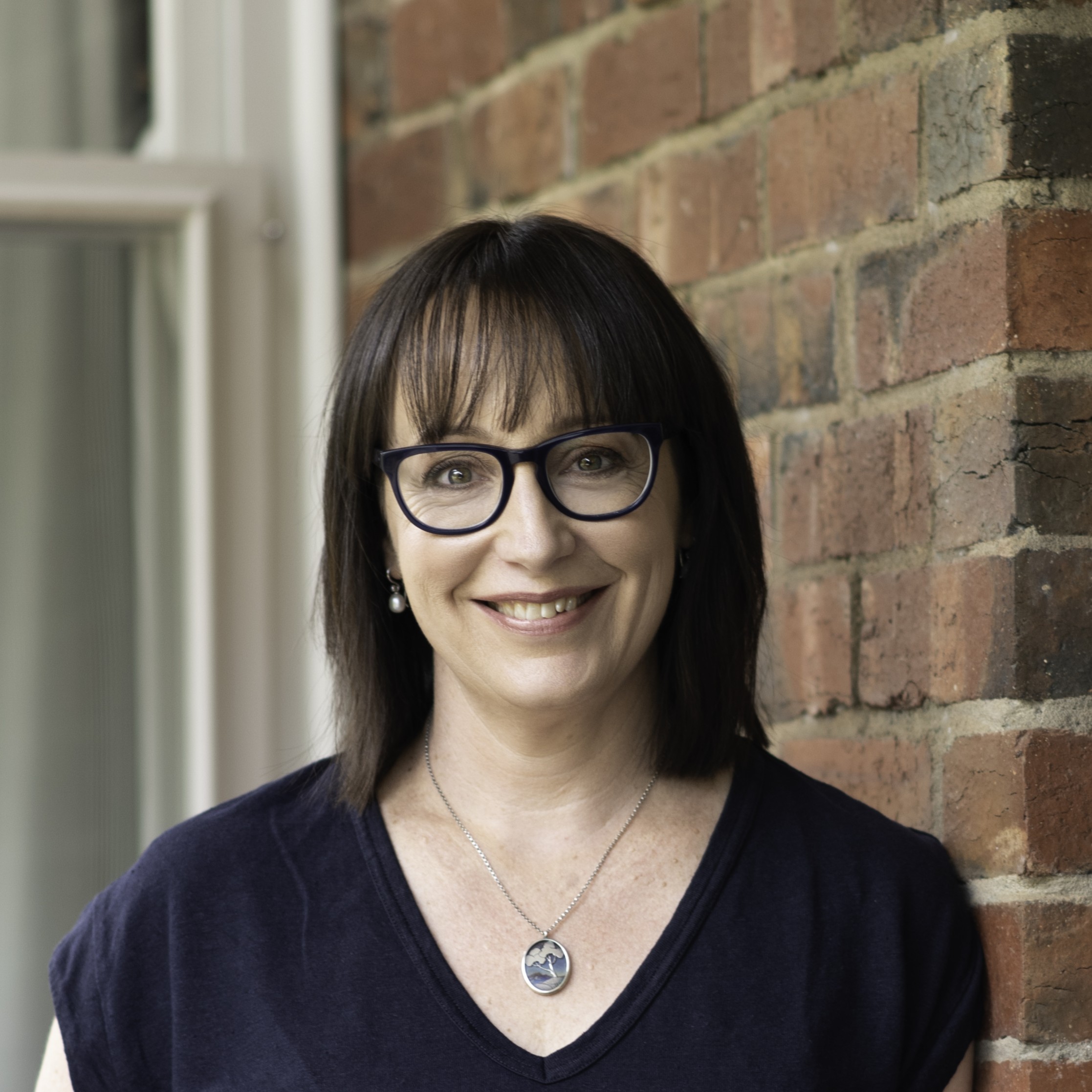 |
| Jennifer Kemp, MPsych(Clinical) |
Workshop Description:
Living as an Autistic person or ADHDer in a society that does not accept or accommodate your needs leads to powerful, lasting feelings of failure, shame and inadequacy. Over time, stigmatising and ableist attitudes are internalised, resulting in lower levels of self-compassion compared to non-neurodivergent peers, and relentless self-criticism (Beaton, Sirios, & Milne, 2020 & 2022; Cai & Brown, 2021; Howes, Richards, & Galvin, 2021). For many neurodivergent people, the outcomes include significantly worse physical health and psychological well-being, higher rates of self-harm and completed suicide, and shorter life spans.
Self-compassion is associated with improved mental health and well-being, and a greater ability to regulate emotions (Cai, Gibbs, et al., 2022; Willoughby and Evans, 2019). Compassion-focused approaches offer the potential to increase self-acceptance and improve quality of life. However, to be effective, therapy must be grounded in an understanding of social and neurobiological contexts and target the essential skills that underpin and enable self-compassion.
This intermediate-level workshop will apply a process-based approach to providing effective, affirming therapy for neurodivergent people.
Participants will explore four key processes that neurodivergent people often find challenging yet are essential to self-compassion and self-acceptance. (Incidentally, these are also domains that are rarely addressed in professional training and where therapists can feel particularly stuck.)
These four processes are:
1. Interoceptive awareness of one’s own needs
2. Emotional awareness in alexithymia
3. Intentional self-soothing through the senses
4. Strengths-based approaches to executive functioning
Over 7.5 hours of interactive and engaging activities, participants will learn how to help their clients transform harsh self-criticism, self-stigma, and internalised ableism into psychological and emotional well-being, by facilitating practical self-compassion, radical self-acceptance, and pride in their neurodivergent identity. Participants' learning will be supported with a wide range of resources, including e-books, client handouts and worksheets.
About the Workshop Leaders:
- Jennifer Kemp, MPsych(Clinical)
Jennifer Kemp
BSc(Psych)Hons, MPsych(Clinical), GradDipApplSc(Psychology of Coaching), MAPS, FCCLP
Adjunct Lecturer, School of Psychology, University of AdelaideJennifer Kemp is a privately practising clinical psychologist in Adelaide, Australia. Her neurodiversity-affirming approach is founded on her own experience of being late-diagnosed with Autism and ADHD and the latest research. Jennifer listens deeply to the experiences of her neurodivergent clients, acknowledging the unique perspectives and strengths of people with intersectional and neurobiological differences.
In her therapeutic practice and when training other therapists, Jennifer uses acceptance and commitment therapy (ACT) with compassion-focused approaches to help her clients improve their mental health and develop greater self-acceptance, self-compassion, and pride in their neurodivergent identity.
Jennifer is the co-author of The Neurodivergent Skills Workbook for Autism and ADHD: Cultivate Self-Compassion, Live Authentically, and Be Your Own Advocate and author of The ACT Workbook for Perfectionism: Build Your Best (Imperfect) Life Using Powerful Acceptance & Commitment Therapy and Self-Compassion Skills.
Following this workshop participants will be able to:
- Identify and explore internalised ableism, social stigma, and the neurobiological and social contexts that contribute to chronic shame and self-criticism with Autistic and ADHD clients.
- Apply a process-based approach to identify gaps in knowledge, skills, and/or understanding and improve well-being with neurodivergent clients.
- Implement practical therapeutic strategies to enhance interoceptive awareness of physical, emotional, and sensory needs.
- Provide targeted interventions to build emotional awareness in clients with alexithymia, facilitating more accurate identification and labelling of emotional states.
- Develop intentional sensory self-regulation strategies to support self-soothing and emotion regulation and replace unhelpful patterns.
- Implement approaches that support executive functioning by harnessing strengths and making practical, self-compassionate choices.
- Integrate principles of compassion-focused therapy (CFT) with the social model of disability to foster radical self-acceptance and neurodivergent pride.
- Utilise the provided clinical resources, including e-books, client handouts and worksheets, to immediately implement these strategies in their ongoing clinical practice.
Target audience: Beginner, Intermediate, Advanced, Clinical
Components: Conceptual analysis, Literature review, Experiential exercises, Didactic presentation, Case presentation, Role play
Topic Areas: Clinical, Theoretical and philosophical foundations
Package Includes: A general certificate of attendance
CE Credit Hours Available (7.5 hours): CEs for psychologists
CEs are not available for recorded viewing.
Psychedelic-Assisted Therapy Through an ACT Lens: Preparation, Dosing, and Integration
Psychedelic-Assisted Therapy Through an ACT Lens: Preparation, Dosing, and IntegrationPsychedelic-Assisted Therapy Through an ACT Lens: Preparation, Dosing, and Integration
Dates and Location of this VIRTUAL 2-Day Workshop:
VIRTUAL LIVE online via Zoom
Recordings will be available through 25 June 2026. We regret that we are unable to provide extended access to any registrant beyond 25 June.
Live, simultaneous translation into Spanish available (courtesy of members from ACBS Argentina, Colombia, and Perú Chapters)
Traducción simultánea en vivo al español (Cortesía de los miembros de los capítulos de ACBS de Argentina, Colombia y Perú.)
Automated Zoom captioning and automated Zoom translation available.
Friday, 5 June from 14:00 - 18:00 UTC/GMT +2 (Central European Summer Time) - click here to convert to your time zone
Saturday, 6 June from 14:00 - 18:00 UTC/GMT +2 (Central European Summer Time) - click here to convert to your time zone
Contact Hours: 7.5
Workshop Leaders:
 | 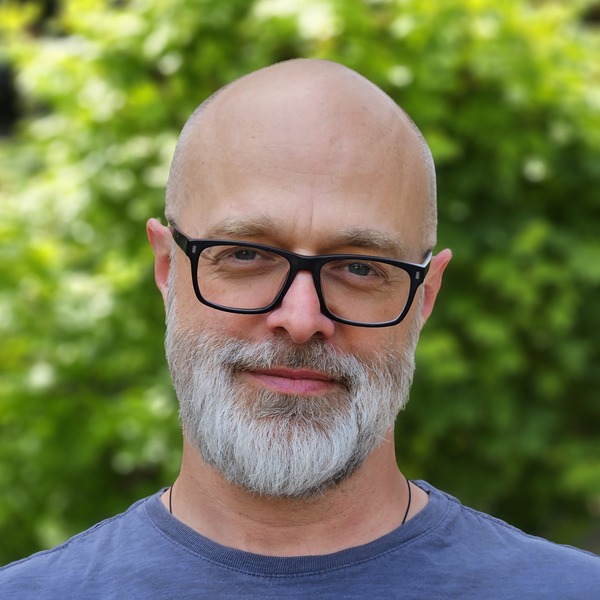 |  |  | 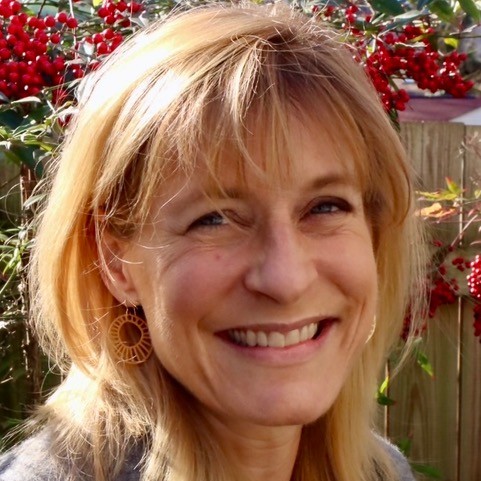 |
| Brian Pilecki, Ph.D. | Jason Luoma, Ph.D. | Temple Morris, LCSW-C | Jenna LeJeune, Ph.D. | Miranda Morris, Ph.D. |
Workshop Description:
As psychedelic-assisted therapy moves toward broader accessibility, this two-day workshop equips clinicians with an ACT framework for understanding and discussing psychedelic-assisted therapy (PAT) with clients. Led by clinician-researchers with extensive experience integrating ACT and psychedelics in clinical trials, retreats, and psychotherapy, participants will explore how psychological flexibility processes provide a coherent model for understanding PAT's mechanisms and applications through the EPPC framework (Embodiment, Perspective, Purpose, Connection)—an adaptation of ACT for psychedelic contexts. Clinicians familiar with ACT will find EPPC a natural extension of concepts they already use, while those new to ACT will appreciate EPPC's pragmatic, clinically intuitive approach that can be readily applied without extensive prior training.
The workshop reviews recent psychedelics research, the evolving legal landscape, and risks and benefits across substances (psilocybin, MDMA, ketamine), while addressing foundational elements of the clinical PAT model. Diversity, equity, and cultural humility considerations will be integrated throughout, including access barriers for underserved populations and risks of cultural appropriation. Participants will learn how psychedelics may enhance psychological flexibility and how EPPC principles guide preparation, dosing support, and integration.
Through didactic presentation, case examples, and experiential exercises, clinicians will develop practical tools for having informed conversations with interested clients and supporting them through psychedelic experiences in clinical trials, legal settings, or integration-focused work.
About the Workshop Leaders:
- Brian Pilecki, Ph.D.
Dr. Brian Pilecki is the Clinical Services Manager and an Associate Scientist at the Portland Institute of Psychedelic Science, a subsidiary of Portland Psychotherapy Therapy Clinic, Research, and Training Center. He is an active researcher and a study therapist on several clinical trials including the investigation of the use of MDMA-assisted therapy for the treatment of social anxiety disorder. Brian is also an instructor for Fluence, a leading psychedelic training organization where he provides training to psilocybin facilitators in state-level programs or to study therapists in clinical trials across the country. He is co-founder of Perspective Retreats which offers group psilocybin retreats in the Netherlands, and provides psilocybin facilitation to individuals and groups in the state of Oregon. Brian is a co-founder of Portland Integration Network, a network of professionals offering specialized care related to p sychedelics in Oregon. He is also the author of the book ACT-Informed Exposure for Anxiety and co-host of Altered States of Context, a podcast about psychotherapy and psychedelics.
- Jason Luoma, Ph.D.
Jason Luoma, Ph.D. is Director of Research at the Portland Institute for Psychedelic Science (https://www.pipsinstitute.com/) and CEO of Portland Psychotherapy Clinic, Research, & Training Center in Portland, OR, a social enterprise that generates revenue to support research. He is also Associate Scientist at the Oregon Research Institute and affiliate faculty at the Oregon Health Sciences University.
His research focuses on shame, self-stigma, connection, and the application psychedelic assisted therapy and Acceptance and Commitment Therapy (ACT) as an intervention for reducing shame and increasing self-compassion. He was the principal investigator of a recently completed trial of MDMA-assisted therapy for social anxiety disorder and is an investigator on a soon to launch open trial of psilocybin-assisted therapy for chronic pelvic pain. He co-founded the Open Psychedelic Evaluation Nexus (OPEN), a practice-research network that is studying the implementation of supported psilocybin services in Oregon.
He is an internationally recognized trainer in ACT and past president of the Association for Contextual Behavioral Science. He has over 80 peer-reviewed publications and has co-authored two books: Learning Acceptance and Commitment Therapy and Values in Therapy. He provides psychedelic-assisted therapy training for therapists via Perspective Retreats- Temple Morris, LCSW-C
Temple Morris, LCSW-C, is co-founder of True North Therapy & Training, a group dedicated to sharing contextual behavioral therapies with clients, practitioners, and the broader community. As a therapist, she specializes in Acceptance and Commitment Therapy (ACT) and Psychedelic Harm Reduction and Integration (PHRI), and provides clinical supervision and consultation in both modalities. Temple works as a Consultant Therapist at Sunstone Therapies, providing psychedelic-assisted therapy to study participants with PTSD and treatment-resistant depression. She co-founded Perspective Retreats, which offers ACT-informed experiential training to help professionals support psychedelic experiences safely and effectively. She also co-founded Psychedelic Assisted Therapy and Healing (PATH), a nonprofit working to make legal psychedelic therapy accessible and affordable. Temple serves as co-chair of the ACBS Psychedelic Special Interest Group boar d, where she co-leads monthly ACT-informed PHRI peer consultation groups
- Jenna LeJeune, Ph.D.
Jenna LeJeune, Ph.D. is President and co-founder of Portland Psychotherapy Clinic, Research and Training Center in Portland, Oregon. She is also a study therapist at the Portland Institute for Psychedelic Science where she is involved in various clinical trials involving psychedelic-assisted psychotherapy. She is a co-founder of Perspective Retreats where she is involved in running ACT-based psychedelic training retreats for mental health professionals. As a licensed psychologist, Jenna is deeply interested in issues related to meaning, purpose, belonging, and values. She is the co-author of the book Values in Therapy: A Clinician's Guide to Helping Clients Explore Values, Increase Psychological Flexibility, and Live a More Meaningful Life as well as numerous other book chapters, journal articles, and other publications. Dr. LeJeune is also an ACBS Fellow and a peer-reviewed ACT trainer and provides ACT trainings for professionals around the world.
- Miranda Morris, Ph.D.
Miranda Morris, PhD is a psychologist in Bethesda, MD and a Peer Reviewed ACT Trainer who conducts regular workshops in Acceptance and Commitment Therapy (ACT) and related therapies including Functional Analytic Psychotherapy (FAP). She is currently a Past President of the Board of the Association of Contextual Behavioral Science (ACBS). In addition, Miranda is a co-founder and trainer with Perspective Retreats, an organization which offers professional training retreats integrating ACT with psychedelic-assisted psychotherapy. She is the clinical director and co-founder of True North Therapy and Training, a group dedicated to sharing contextual behavioral therapies with clients, practitioners, and the broader community.
Following this workshop participants will be able to:
- Describe the current state of psychedelics research across mental health conditions.
- Explain how psychedelics may enhance psychological flexibility through increased embodied awareness, perspective-shifting, values clarity, and meaningful connection.
- Map EPPC’s four core processes onto therapeutic change mechanisms in psychedelic-assisted therapy.
- Identify three key components of the PAT model.
- Identify at least three potential therapeutic benefits of PAT.
- Identify at least 3 risks of PAT.
- Identify 3 ACT principles, metaphors, and experiential techniques specifically adapted for psychedelic preparation and integration work.
- Describe 3 ethical considerations for clinical practice.
- Identify three issues related to cultural humility, diversity, equity, and risks of cultural appropriation in psychedelic-assisted therapy contexts.
- Explain three ways in how to use EPPC to support clients in translating peak psychedelic experiences into sustained psychological flexibility and meaningful behavioral change.
Target audience: Beginner, Intermediate, Clinical
Components: Literature review, Experiential exercises, Didactic presentation, Case presentation, Role play
Topic Areas: Clinical
Package Includes: A general certificate of attendance
CE Credit Hours Available (7.5 hours): CEs for psychologists
CEs are not available for recorded viewing.
WC2026 Pre-Conference Workshops Registration
WC2026 Pre-Conference Workshops Registration
Virtual Workshop Rates (5-6 June 2026)
Registration for the virtual workshops has concluded, we hope to see you in Lyon!
In-Person Workshop Rates (14-15 JULY 2026)
View the full list of workshops available here.
Online registration for the in-person pre-conference workshops is now closed. Please print out the form here and bring it to register onsite in Lyon. Thank you!
| 14-15 JULY | Regular (Ends 15 June) | After 15 June |
|---|---|---|
| Professional Member | €399* | €439* |
| Student or Emerging Economy Member | €289* | €329* |
| Professional Non-Member | €459* | €499* |
| Student or Emerging Economy Non-Member | €319* | €359* |
- *The credit card processor is in USD, so the rate listed above is converted to USD in the payment form based on current exchange rates. Euro amount will not change. If your bank account or credit card is not in USD, and your bank charges a currency transaction fee to USD, you may see a slight variation in the amount charged, based on the day's exchange rate.
- Discounted rates are available for professionals in Emerging Economy nations (Tier 2 & Tier 3 countries) and will automatically be applied when you register.
- Prices above include two lunches, twice daily coffee/tea break on site, and a general certificate of attendance.
- These workshops run concurrently, so you may only register for one in-person pre-conference workshop.
- Pre-conference workshop registration DOES NOT include access to the World Conference. For registration information for the World Conference, please go here.
- Ability to earn CEs for different disciplines, as available, for an additional fee.
Please Note:
- Additional fees are required for certificates that track the number of hours you attended (€20) and CE credits (€65). These fees cover all eligible sessions 5-6 June and 14-19 July. You only need to pay the fee once to earn a certificate for all events you attend.
- All rates are in Euros. (*The Euro amount will not change. The credit card processor will be in US Dollars, so you may see the actual amount charged vary slightly based on that day's exchange rate.)
- We apologize that we may not be able to accommodate special meal requests (gluten free, vegan, allergies, etc.) or workshop selection changes after 15 June.
- To register via Mail or Fax, or pay via PayPal, please use the Printable Version available as a PDF or a word document.

- 1-day conference, in-person registration is available at varying rates per day.
- NEED HELP? If you're having trouble registering, please email Abbie at [email protected]
Member Rate Qualification
- Registration rates apply as you register. Subsequent memberships do not qualify those already registered for a refund of the difference between the member and non-member rates. The same is true for students, or other similar status and discounts, unless a full cancellation and refund are issued, and prevailing rates apply.
- Affiliate members (or non-members who are not professionals or students) may register at the professional rate. If you are currently receiving mental health care we encourage you to talk to your provider about the utility of this conference for you, prior to registering.
- Student Registration/Membership is available to individuals who are enrolled in a program of study leading to a bachelor’s, master’s, or doctoral degree, are interns, or are postdoctoral candidates. Postdoctoral candidates qualify for Student Registration for up to 2 years, with proof of status from their employer. After this time, they need to register as a Professional. Note: Those registering for the conference as a student are ineligible to earn any kind of CE credits.
Refunds:
Virtual
Cancellation of Pre-conference registration must be submitted in writing via email and must be dated on or before 16:00 Central European Summer Time on 1 June to [email protected] to receive a refund minus a €20 registration cancellation processing fee.
We regret that after 1 June, refunds cannot be made, however we will allow a substitute registrant (they can receive access and a certificate in their name). If you need a refund, please contact us via email. (Note: Shared registrations are not permissible... meaning that you can't attend one day and your colleague the next, etc.)
No refunds will be granted for no-shows. Virtual pre-conference workshops will be recorded and made available through 25 June 2026 to all registrants, following the event.
It is the responsibility of the registrant to make sure that they have received information related to virtual workshop access. If you are registered and do not receive an email granting you pre-conference access (as appropriate) by the morning of 4 June 2026, please contact [email protected].
 In-Person
Cancellation of Pre-conference registration must be submitted in writing via email and must be dated on or before 16:00 Central European Summer Time on 15 June to [email protected] to receive a refund minus a €45 registration cancellation processing fee.
We regret that after 15 June, refunds cannot be made, however we will allow a substitute registrant (they can receive access and a certificate in their name). If you need a refund, please contact us via email. (Note: Shared registrations are not permissible... meaning that you can't attend one day and your colleague the next, etc.)
No refunds will be granted for no-shows.
Photographs/Video:
ACBS intends to take photographs and video of this event for use in ACBS newsletters and promotional material, in print, electronic and other media, including the ACBS website and social media accounts. By participating in this event, I grant ACBS the right to use any image, photograph, voice or likeness, without limitation, in its promotional materials and publicity efforts without compensation. All media become the property of ACBS. Media may be displayed, distributed or used by ACBS for any purpose.
Attendees of the World Conference or Pre-Conference Workshops are not permitted to audio or video-record sessions without the express written permission of ACBS.
If you have any concerns regarding the media policy, please feel free to contact us.
Waiver of Liability:
As a condition of my participation in this meeting or event, I hereby waive any claim I may have against the Association for Contextual Behavioral Science (ACBS) and its officers, directors, employees, or agents, or against the presenters or speakers, for reliance on any information presented and release ACBS from and against any and all liability for damage or injury that may arise from my participation or attendance at the program. I further understand and agree that all property rights in the material presented, including common law copyright, are expressly reserved to the presenter or speaker or to ACBS. I acknowledge that participation in ACBS events and activities brings some risk and I do hereby assume responsibility for my own well-being. If another individual participates in my place per ACBS transfer policy, the new registrant agrees to this disclaimer and waiver by default of transfer.
When Hope Feels Lost: Cultivating Presence, Courage, and Connection in the Treatment of Depression with Functional Analytic Psychotherapy (FAP)
When Hope Feels Lost: Cultivating Presence, Courage, and Connection in the Treatment of Depression with Functional Analytic Psychotherapy (FAP)When Hope Feels Lost: Cultivating Presence, Courage, and Connection in the Treatment of Depression with Functional Analytic Psychotherapy (FAP)
Presented in English, also available for session attendees (in Lyon) via simultaneous AI (artificial intelligence) translation software in 50+ languages. More details available here.
Dates and Location of this IN-PERSON 2-Day Workshop:
IN-PERSON at Catholic University of Lyon (UCLY)
Tuesday, 14 July 2026 from 9:00 - 17:00 Central European Summer Time
Wednesday, 15 July 2026 from 9:00 - 17:00 Central European Summer Time
Contact Hours: 13
Workshop Leaders:
 |  |  |  |  |
| Mavis Tsai, Ph.D. | Sarah Sullivan-Singh, Ph.D. | Barbara Kohlenberg, Ph.D. | Katia Manduchi, Ph.D. | Stavroula Sanida, M.Sc. |
Workshop Description:
Depression often takes root in places where losses were ungrieved, longings remained hidden, truths were unspoken, and relational needs were unmet. In this workshop, we will explore how Functional Analytic Psychotherapy (FAP) offers a pathway of renewed hope by transforming the therapeutic relationship into an experiential, moment-to-moment space for healing and growing. Participants will learn to apply FAP’s five fundamental rules with more precision and heart, using awareness, courage, and love (behaviorally defined) to evoke and reinforce the vital behaviors most needed for clients with depression to feel more vibrantly alive.
We will examine depression as a pattern of behavioral restriction—away from emotional expression, from needs, from vulnerability, and from the fullness of one’s internal world. Through FAP, therapists can compassionately invite clients to contact avoided emotions while helping them recognize the parts of themselves that have been silenced or minimized. Therapists will practice how to evoke in-session behaviors that embody clients’ values and longings, and how to shape relational repertoires that generalize to life beyond the therapy room.
This workshop integrates didactics, demonstrations, clinical videos, real-play practice, and guided experiential exercises that address both clinical and personal development to strengthen your ability to meet clients with presence, attunement, and authenticity. We will encourage you to be vulnerable in revealing yourself to the extent that it supports your learning and development, both personally and professionally.
Our goal is that you will leave the workshop with elevated clinical precision in treating depression from a FAP lens, increased confidence using your own emotional vulnerability judiciously, and renewed inspiration to help clients living with depression rediscover connection—to themselves, to others, and to a life they long to inhabit.
About the Workshop Leaders:
- Mavis Tsai, Ph.D.
Mavis Tsai, PhD, co-originator of FAP with the late Robert Kohlenberg, PhD, ABPP, is a clinical psychologist and senior research scientist at University of Washington. She is the co-author of six books on FAP (some of which have been translated into Portuguese, Spanish, Japanese, Italian, Korean and Persian), and over 85 articles and book chapters. She is an ACBS Fellow, a recipient of Washington State Psychological Association’s Distinguished Psychologist Award, and is proud to be named by New Harbinger Publications as one of “13 Badass Psychologists… Who Happen to be Women." She gave a TEDx talk “Create Extraordinary Interactions”, has led numerous workshops internationally, and has supervised clinicians all over the world in FAP. As Founder of the Nonprofit Organization ‘Awareness, Courage & Love Global Project” which brings FAP to the general public, she trains volunteers to lead chapters in six continents to create a worldwide- network of open-hearted change-seekers who strive to meet life’s challenges through deepening interpersonal connection and rising to live more true to themselves.
- Sarah Sullivan-Singh, Ph.D.
Sarah Sullivan-Singh, PhD, earned her doctoral degree in clinical psychology from UCLA and completed a postdoctoral fellowship at the University of Washington (UW) Rehabilitation Medicine Department before beginning her independent practice. She is a Clinical Instructor within the UW Psychology Department where she supervises graduate students treating clients using ACT and FAP. Dr. Sullivan-Singh also regularly offers guest lectures at the UW Department of Psychiatry and Biobehavioral Sciences. She is a certified FAP trainer and routinely teaches both students and professionals through individual supervision/consultation as well as workshops and online courses. Dr. Sullivan-Singh has also worked on treatment development for and provided clinical supervision within a randomized-controlled trial of FAP at the UW Center for the Science of Social Connection. As partner of The Seattle Clinic, a collective of independent practitioners commi tted to evidence-based care and lifelong learning, Dr. Sullivan-Singh is fortunate to be surrounded by students and colleagues who support her in following the infinite path of encountering and addressing gaps in her awareness and knowledge – and through that process constructing increasingly authentic relationships with greater healing potential.
- Barbara Kohlenberg, Ph.D.
Barbara Kohlenberg, Ph.D. is a Professor in the Department of Psychiatry and Behavioral Science and also in Family and Community Medicine. She also serves as i Dean in the Office for Faculty Affairs. She is a clinical psychologist, who received her Ph.D. at the University of Nevada, Reno. Her NIH funded research has focused on Acceptance and Commitment Therapy (ACT) and Functional Analytic Psychotherapy (FAP) and their integration and application with substance use disorders and stigma. Dr. Kohlenberg is extensively trained in both ACT and FAP, and has contributed to the literature in these areas and has conducted trainings internationally. Dr. Kohlenberg is interested in psychotherapy training in psychiatric residency programs, and in growing bedside manner among family medicine residents. Dr. Kohlenberg has deep interests in the role of compassion, hope, acceptance, and relationship in promoting behavior change. She cherishes direct patient care, as well as training. Helping both patients and practioners learn that one can change one’s relationship with suffering rather than having to “get rid” of suffering is meaningful for her. The relationship between scientific knowledge and wisdom traditions is also very meaningful for her. Out of work Dr. Kohlenberg loves cooking, eating, walking, reading/listening to podcasts, and creating and participating in nurturing communities. She loves the beauty of our desert climate while always also missing the green and grandeur of the Pacific Northwest, where she grew up.
- Katia Manduchi, Ph.D.
Katia Manduchi, PhD, is a licensed psychologist and cognitive-behavioral psychotherapist with over 25 years of clinical experience. She became a certified Functional Analytic Psychotherapy (FAP) trainer in 2012 under the supervision of Robert Kohlenberg, PhD, and Mavis Tsai, PhD, at the University of Washington. She is a founding partner of ACT-ITA and a referent for the ACT and FAP Interest Group (GIS) in Italy. Dr. Manduchi completed advanced clinical training through an internship in Toronto and participated for several years in masterclasses and workshops at the Oxford Cognitive Therapy Centre (UK). In addition to her private clinical practice, she has spent the past 15 years as a trainer and supervisor for psychotherapy training programs throughout Italy. Her professional background includes 10 years of clinical work in an intensive eating disorders unit and 8 years as a supervisor in a community mental health center specializing in psychiatric and addiction disorders. She collaborates nationally and internationally across private, public, and organizational settings, and is the author of numerous publications and national and international presentations. Dr. Manduchi is deeply committed to advancing psychotherapy process, strengthening the therapeutic relationship, and cultivating curiosity, research-mindedness, and creativity in her students, colleagues, and herself.
- Stavroula Sanida, M.Sc.
Stavroula Sanida, M.Sc., is a licensed psychotherapist based in Athens, Greece, with a clinical career spanning over 15 years. She is a certified FAP trainer by the University of Washington and has led workshops and lectures internationally. She uses personalized metaphors and storytelling as evocative, awakening tools in her practice for both therapeutic and educational purposes. As a President of the Greece & Cyprus Chapter of ACBS, she is committed to disseminating third wave CBT approaches in her region. Her dedication also extends to community service. She has provided psychological support through local health initiatives and has participated in projects, such as the European Network of Mentors for Women Entrepreneurs and the Nonprofit Organization “Awareness, Courage & Love Global Project”. Her mission is to help clients and trainees cultivate their creativity and create meaningful, inspiring connections. Writing short stories, playing the cello, and exploring the world through poetry are among the activities that fuel her inspiration.
Following this workshop participants will be able to:
- Explain how FAP’s five rules can address mechanisms underlying depression.
- Identify in-session client behaviors that reflect depressive processes—such as emotional constriction, difficulty expressing needs, disconnection from self, and struggles with authentic relating.
- Describe FAP-consistent mechanisms for how ungrieved losses, unresolved emotional pain, and diminished contact with one’s internal world can contribute to depressive behavioral patterns.
- Practice inviting and reinforcing client behaviors that reconnect them with their longings, values, and authentic emotional experiences, including their disowned or previously silenced parts of self.
- Learn to shape improved interpersonal behaviors in-session, helping clients increase vulnerability, assertiveness, emotional expression, and capacity for mutual connection.
- Construct a FAP case conceptualization specific to depression, including functional analyses of avoidance patterns, relationship repertoires, therapist-client interactional dynamics, and therapist behaviors that may inadvertently maintain or worsen clients’ depressive behaviors.
- Learn to strengthen reinforcement contingencies using therapist emotional presence, self-awareness, and authentic self-expression to support client movement out of depressive patterns.
- Recognize and manage therapist vulnerabilities and associated relationship-interfering behaviors that may be activated when working with depressed clients, including tendencies to over function, offer advice prematurely, or withdraw emotionally in response to client hopelessness.
- Explore, receive, and express the deeper recesses of your true self -- what feels unseen, unmet, and unheld -- so that you can increase intensity, depth, and connection in your therapeutic relationships.
- Learn how to incorporate Awareness, Courage & Love resources and interventions into the treatment of depression as supplemental strategies to enhance clients’ capacity for emotional and interpersonal connection in their daily lives.
Target audience: Intermediate, Advanced, Clinical
Components: Conceptual analysis, Original data, Experiential exercises, Didactic presentation, Case presentation, Role play
Topic Areas: Clinical intervention development or outcomes, Processes of change
Package Includes: A general certificate of attendance
CE Credit Hours Available (13 hours): CEs for psychologists, BCBA
Wonder and Wisdom: Building Flexibility across the Developmental Lifespan
Wonder and Wisdom: Building Flexibility across the Developmental LifespanThis workshop is full - REGISTRATION CLOSED
To see other available Pre-Conference Workshops click here!
Wonder and Wisdom: Building Flexibility across the Developmental Lifespan
Presented in English, also available for session attendees (in Lyon) via simultaneous AI (artificial intelligence) translation software in 50+ languages. More details available here.
Dates and Location of this IN-PERSON 2-Day Workshop:
IN-PERSON at Catholic University of Lyon (UCLY)
Tuesday, 14 July 2026 from 9:00 - 17:00 Central European Summer Time
Wednesday, 15 July 2026 from 9:00 - 17:00 Central European Summer Time
Contact Hours: 13
Workshop Leader:
 |
| Louise Hayes, Ph.D. |
Workshop Description:
Life brings constant change, making personal growth a process that continues until we take our last breath. Consider just one aspect of our lives, self-concepts: an 8-year-old forms their first self-concepts, a 16-year-old then navigates a new self-identity, a 30-year-old is surprised to have a partner identity, a 45-year-old confronts outdated life narratives, and a 70-year-old attempts to integrate a lifetime of experiences. With DNA-v, you can work easily and engagingly through each phase, building on prior learnings and providing opportunities for wonder and wisdom.
DNA-v is a framework for learning new abilities, initially developed for children and adolescents but now widely used with adults. Thus, it is well placed to help us face current challenges, learn from the past, and focus on growth in the next phase of life.
Importantly, self and social are always in the moment with DNA-V, as we explicitly consider all our actions through the lens of self-as-context and social-as-context. Consider for a moment how often our significant problems are about our relationships with others and ourselves. For example, young people fear an uncertain future amid climate crises, political crises, and the rise of artificial intelligence that will change our social interactions in unknown ways; midlife adults navigate multiple caregiving roles, career uncertainty, and rapid technological change; and older adults confront ageism, loss, and societal marginalisation. We all need tools for flexible adaptation so we can grow through change.
DNA-v provides an ideal framework for growth across the lifespan:
- Social relationships and connections become an essential lens through which to view all our actions. In other words, the 'we' that is in 'me' is always present in our work.
- Self becomes the lens through which every experience is considered, including emotion, language, values, etc.
- The four core processes (Discoverer, Noticer, Advisor, Valuer) allow for developmental calibration and increasing skill.
- Social-as-context allows us to consider our lives in the context of our relationships, attachments, and society.
- DNA-V is inherently growth-oriented, focusing on expanding our abilities into areas such as wonder, awe, curiosity, discovery, connection, compassion, and even effective problem-solving.
- DNA-V emphasises growth, making it applicable to developmental life transitions rather than just clinical presentations.
Join me in this fun and experiential workshop and gain personal growth as well as ideas to support those you serve.
About the Workshop Leaders:
- Louise Hayes, Ph.D.
Dr Louise Hayes is a clinical psychologist, author, international speaker, and educator. She is a Fellow and Past President of the Association for Contextual Behavioural Science. Louise currently holds a position as Adjunct Senior Research Fellow at La Trobe University, where she collaborates on projects using contextual behavioural science. She is a peer-reviewed Acceptance and Commitment Therapy/Training (ACT) trainer engaged in training professionals worldwide. Together with Joseph Ciarrochi, she developed DNA-v, a leading acceptance and commitment therapy model that has sparked international studies. In 2022 she released a new book for helping adults thrive in the face of change – What Makes You Stronger. She is the co-author of two best-selling books for young people – Get Out of Your Mind and Into Your Life for Teenagers; and Your Life Your Way. She is also the co-author of the practitioner book, The Thriving Adolescent. Louise is an active clinician, working with adults and adolescents. Louise’s passion project and the highlight of her work is establishing a not-for-profit endeavour of taking professionals on the journey of their life into the Himalayas to develop their mindful way of being while raising funds to help children in remote Nepal. In her spare time she is a novel writer and certified Buddhist meditation teacher.
Following this workshop participants will be able to:
- Use a range of experiential exercises to promote growth with young people and adults
- Apply DNA-v processes across the lifespan with developmental sensitivity and an understanding of life history and adaptation
- Identify how to use DNA-v differently at each life stage
- Flexibily use the basic processes of discoverer, noticer, advisor, and valuer across the lifespan
- Recognise developmental transitions as opportunities for building psychological flexibility
- Adapt DNA-v interventions to match cognitive, emotional, and social developmental levels
- Conceptualise cases through an integrated DNA-v and developmental lens
- Support flexible social connection skills appropriate to each life stage
- Support flexible self-identity, self-concept, and change
- Adapt psychological flexibility practices into non-clinical (organisations, teams, career) and clinical settings (therapy, counselling)
Target audience: Intermediate, Clinical
Components: Experiential exercises, Didactic presentation, Case presentation, Role play
Topic Areas: Lifespan development
Package Includes: A general certificate of attendance
CE Credit Hours Available (13 hours): CEs for psychologists