ACBS 2026 Virtual Summit: ACT and the Body
ACBS 2026 Virtual Summit: ACT and the Body
Thank you for participating in the 2026 ACBS Virtual Summit: ACT and the Body! Please take a moment to participate in our post-event survey.
Featuring presentations from:
 |  |  |  |
Liz Patton, DClinPsych | Eric Morris, Ph.D. | Alicia E Meuret, Ph.D. | Staci Martin, Ph.D. |
 |  |  |  |
Emily Sandoz, Ph.D. | Michael Levin, Ph.D. | Manuela O'Connell, Lic. | Rikke Kjelgaard, M.Sc. |
 | 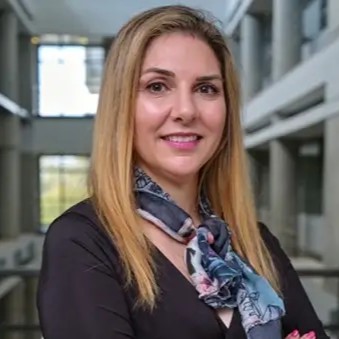 |  | 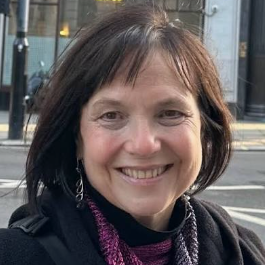 |
Temple Morris, LCSW-C | Maria Karekla, Ph.D. | Jennifer Payne, Ph.D., LCSW | Jacque Pistorello, Ph.D. |
...and more!
Mark your calendar for the ACBS Virtual Summit: ACT and the Body! On 8 October 2026, this global, fully virtual event will bring together leading researchers and clinicians to explore the many ways ACT engages with our embodied experience, where mind, behavior, and body intersect. This year's theme spans a range of topics including:
- chronic pain
- somatic and mindfulness exercises
- body awareness
- our evolving relationship with our bodies,
- and more.
Whether you’re a clinician, researcher, or student, you’ll find content designed to expand both your perspective and your practice. With thoughtfully scheduled, around-the-clock programming, you can join live sessions at times that work for your time zone (no middle-of-the-night logins required!). The Summit features a dynamic mix of research and clinical presentations, an interactive panel, and fast-paced IGNITE speeches that deliver fresh ideas in quick, engaging bursts. Join us for a day of connection, insight, and inspiration.
Registration Includes:
- All live sessions on 8 October
- Select recordings from World Conference 2026 in Lyon
- Recordings of all available 8 October sessions
- Live Zoom Translated Captioning available on 8 October, and for all 8 October and available World Conference 2026 recordings.
Register Here!
Thank you to our 2026 ACBS Virtual Summit Sponsors!
 |  |
| |
 | 
| ||


Interested in joining our incredible sponsors in supporting the ACBS Virtual Summit? Check out our Sponsorship Opportunities here!
2026 Virtual Summit Attendee Toolkit
2026 Virtual Summit Attendee ToolkitThank you for registering for the 2026 ACBS Virtual Summit: ACT & The Body!
You're in!
Thank you for registering for the 2026 ACBS Virtual Summit: ACT & The Body. Now it's time to spread the word and invite your network to join you for this global online event.
On October 8, 2026, researchers, clinicians, students, and practitioners from around the world will come together to explore how Acceptance and Commitment Therapy engages with embodied experience—from chronic pain and somatic practices to mindfulness, movement, body awareness, and beyond.
This toolkit includes ready-to-use social media graphics, sample posts, and email signature language to help you share your excitement and encourage others to register. The more voices we bring together, the richer the conversations will be!
Social Media Graphics
Below are branded graphics for you to choose from. (Right click to save)
Social Media Copy
Feel free to copy, personalize, and share these posts. Don't forget to tag Association for Contextual Behavioral Science (ACBS) where applicable and use #ACBS #ACBSVirtualSummit so we can help amplify your posts.
- I'm excited to be attending the 2026 ACBS Virtual Summit: ACT & The Body this October! Looking forward to learning from experts around the world and exploring how ACT engages with embodied experience—from mindfulness and movement to chronic pain, somatic practices, and beyond. Join me online! https://bit.ly/4xwQl7t
#ACBS #ACBSVirtualSummit - Registration is open for the 2026 ACBS Virtual Summit: ACT & The Body, and I'm in! Can't wait to connect with the global contextual behavioral science community and learn from researchers and clinicians advancing the science and practice of ACT.Learn more: https://bit.ly/4xwQl7t
#ACBS #ACBSVirtualSummit - I'm looking forward to spending the day with colleagues from around the world at the 2026 ACBS Virtual Summit: ACT & The Body! Wherever you're joining from, this is a great opportunity to connect, learn, and explore new ideas in contextual behavioral science—all from wherever you are. Register here: https://bit.ly/4xwQl7t
#ACBS #ACBSVirtualSummit
Email Signature
Adding a line to your email signature is an easy way to let colleagues know you'll be attending the Virtual Summit.
- I'm attending the 2026 ACBS Virtual Summit: ACT & The Body on October 8. Join me online!
- Looking forward to connecting with colleagues from around the world at the 2026 ACBS Virtual Summit: ACT & The Body. Learn more!
- Join me at the 2026 ACBS Virtual Summit: ACT & The Body—a global online event exploring embodiment in ACT.
Help Spread the Word
Every post helps grow our global community! Here are a few simple ways you can help:
- Share your registration announcement on LinkedIn, Facebook, Instagram, or Bluesky.
- Tag ACBS so we can reshare your post.
- Use the hashtags #ACBS and #ACBSVirtualSummit.
- Invite colleagues, students, and friends who may be interested in ACT, contextual behavioral science, or embodied approaches to psychological health.
- Share again as the Summit gets closer and let others know what sessions you're most excited to attend.
Together, we can build a truly global conversation around ACT & the Body.
2026 Virtual Summit Languages/ Interpretation
2026 Virtual Summit Languages/ Interpretation
8 October live event will be held on Zoom with closed captions available in 36 languages. (See instructions and language list here.)
Available ACBS World Conference 2026 recordings, and all 8 October recordings will be made available via translated captions in 22 languages. (8 October recordings will take a few days to generate all captions.) Ignite sessions are not included in the available of translated recordings.
Arabic, Bosnian, Chinese (Simplified), Chinese (Traditional), Croatian, Czech, Danish, Dutch, English, Finnish, French, German, Greek, Hebrew, Hungarian, Italian, Japanese, Korean, Malay, Norwegian, Persian, Polish, Portuguese, Romanian, Russian, Serbian, Slovak, Spanish, Swahili, Swedish, Thai, Turkish, Ukrainian, Urdu, Vietnamese
Note: AI notetaking tools are prohibited without prior approval by ACBS. Please see our policy regarding the use of other AI tools at ACBS events here.
CE Credits
CE Credits
- CE credit for psychologists
CE credit is only available for LIVE sessions on 8 October. CE credit is NOT available for watching any recordings or for the live IGNITE sessions.
The Association for Contextual Behavioral Science is approved by the American Psychological Association to sponsor continuing education for psychologists. The Association for Contextual Behavioral Science maintains responsibility for this program and its content.
- Certificate with Number of Hours Attended
As an alternative to a CE certificate, some credentialing agencies (please check with yours) may accept a certificate with the number of hours attended. The certificate will only include the hours of the sessions you attend LIVE on 8 October (any recordings you watch will not be included). The cost for this type of certificate is $20 USD.
Additional Information
Evaluations will be available, but are not required to earn CE credits.
We will email you a printable copy of your certificate by 8 November.
All certificates are sent via SimpleCert, so check your email for "[email protected]".
Note: CE credits are only available for those registered as a professional. You may not earn CE credits with a student registration.
Fees:
A $45 USD fee will be required to earn CEs. This fee is non-refundable.
The cost for a certificate indicating only the number of contact hours (not a CE certificate) is $20 USD. This fee is non-refundable.
Refunds & Grievance Policies: Participants may direct any questions or complaints to ACBS Executive Director Emily Rodrigues, [email protected], or through the Contact Us link on this website.
2026 Virtual Summit Evaluations
2026 Virtual Summit Evaluations adminCall for IGNITE Submissions - Closed
Call for IGNITE Submissions - ClosedSubmissions for the ACBS Virtual Summit 2026: ACT and The Body are now closed.
Submit your IGNITE Here!
Do you have an idea, insight, or project related to ACT and the Body you’d love to share with our global community? Now’s your chance!
As part of the ACBS Virtual Summit, we’re inviting members to give short, impactful presentations (5 minutes). Your talk can be empirical, conceptual, philosophical, historical, or methodological—the choice is yours.
All ACBS members are welcome to submit their presentation. We especially encourage those who:
- Can’t always attend in-person conferences
- Are looking to gain experience presenting at peer-reviewed international events.
- Are trainees or early in their career
Possible time slots for 8 October are:
- 13:00 - 14:00 GMT
- 20:15 - 21:15 GMT
- Or pre-recorded Ignite presentations.
Time Zone Converter – Time Difference Calculator
All presenters will have 5 minutes for their presentation. Presenters can present “Ignite” style. For those unfamiliar, an Ignite presentation is a short, structured talk in which presenters share ideas and issues they are most passionate about using a “deck” of 20 slides that auto-advance every 15 seconds. (Non-Ignite style presentations will be considered, but with a strict 5 minute time limit.) We hope members will take this opportunity to share their work and connect more deeply with our global community.
For more on Ignite presentations, see:
http://www.speakerconfessions.com/2009/06/how-to-give-a-great-ignite-talk/
All submissions are due by June 15, 2026.
Program & Session Details
Program & Session Details
Program & Session Details (All times shown in GMT)
- 5:30 - 6:45 | This Is What Bodies Do: Changing the Relationship With the Body - Liz Patton, DClinPsych
This is what bodies do: Changing the relationship with the body, Liz Patton, DClinPsych
5:30 GMT - Time Zone Converter
Session Abstract: Women's bodies change through menstruation, pregnancy, birth, surgery, illness, menopause, and the slower changes that come with time. In gynaecological care, I meet women at the points where these changes are most acute: after hysterectomy, after mastectomy, through endometriosis, through the perimenopausal and menopausal transition. What arrives in the room is rarely only a medical problem. It is a problem of relationship, between a woman and the body she now has, and between that body and everyone who has ever seen, touched, named, or expected something of it. This work has me reflecting on the contextual environment for all women, and on the people who love them. Women going through bodily change are only one part of the picture.
Changing the relationship with the body can involve taking a closer look at the Self and Social view: a perspective-taking process that lets a person see herself across time and in relation to others. It holds self-perspective and social perspective as one integrated capacity rather than two separate things
Educational Objectives:
1. Describe how the Self and Social view can be applied to women's relationship with the body, particularly through periods of bodily change.
2. Identify flexible processes that support women in facing the fears that arise as their bodies change.
3. Apply perspective-taking work to clinical encounters with women, in ways that hold self-perspective and social perspective as one integrated capacity rather than as two separate processes. Dr Liz Patton is a Clinical Psychologist based in Geelong, Victoria, with more than 13 years of clinical experience. She works primarily with women navigating persistent pain, chronic health challenges, and the profound transitions that come with being a woman. She has been at Barwon Health for over 11 years, where she has helped establish psychological services within the newly funded Women's Health Clinics, supporting women experiencing persistent pelvic pain, menopause, and other gynaecological concerns within a multidisciplinary hospital setting. Liz also runs a private practice and offers clinical supervision.
Her earlier career in neurology rehabilitation and interdisciplinary pain clinics shaped her interest in nervous system-related presentations and persistent pain, and her research has focused on pain education. She is particularly interested in how psychologically flexible approaches, including Acceptance and Commitment Therapy and DNA-V, can be integrated into hospital-based care for women whose experiences have too often been dismissed or minimised. Liz is a member of the Association for Contextual Behavioral Science, the Australian Pain Society, the International Association for the Study of Pain, and the Australian Menopause Society.
- 7:00 - 8:15 | When the Body Won’t Rest: Sleep, Psychological Inflexibility, and the Amplification of Psychological Distress - Eric Morris, Ph.D.
When the Body Won’t Rest: Sleep, Psychological Inflexibility, and the Amplification of Psychological Distress, Eric Morris, Ph.D.
7:00 GMT - Time Zone Converter
Session Abstract: Sleep is embodied. When it breaks down, the consequences extend far beyond fatigue, affecting cognition, emotion, and how people experience themselves and others. This seminar presents a program of research examining poor sleep as a psychological amplifier, with psychological inflexibility emerging as a key process linking disrupted sleep to a range of clinical difficulties.
Drawing on cross-sectional and longitudinal studies in community samples, findings will be presented showing associations between poor sleep quality, psychological distress, and increased suspicious and paranoid thinking. Dissociative experiences and psychological inflexibility will be discussed as potential pathways linking poor sleep to paranoia. When the body cannot rest, people become less grounded in present-moment experience and less flexible to responding to inner states. Longitudinal data from an international pandemic-era sample further indicate that worsening insomnia predicts worsening paranoia over time, highlighting the broader interpersonal and social consequences of sleep disruption.
The seminar will then examine mechanisms associated with insomnia itself. Studies investigating psychological inflexibility processes, including cognitive fusion, experiential avoidance, reduced present-moment awareness, sleep hygiene, sleep control beliefs, and pre-sleep arousal, suggest that rigid responses to internal experiences and inflexible beliefs about sleep may contribute to insomnia severity and sleep-related distress. Findings indicate that cognitive fusion and pre-sleep cognitive arousal show particularly strong associations with disrupted sleep, with pre-sleep cognitive and somatic arousal emerging as important mediating mechanisms. Within this framework, the body increasingly becomes experienced as a problem to be solved, sleep as a performance to be managed, and the struggle to control sleep may itself become part of the maintaining process.
The seminar will conclude with pilot findings from SLEAPI, an Acceptance and Commitment Therapy insomnia intervention adapted for autistic adults, demonstrating meaningful improvements in insomnia and anxiety symptoms. Together, these findings position insomnia as a clinically significant transdiagnostic process and highlight psychological flexibility as a potentially important target for interventions that help people relate differently to distressing bodily and psychological experiences.
Educational Objectives:
1. Describe the associations between poor sleep, psychological inflexibility, and transdiagnostic psychological distress, including paranoia and dissociative experiences.
2. Identify psychological processes associated with insomnia severity, including cognitive fusion, pre-sleep arousal, sleep control beliefs, and experiential avoidance.
3. Discuss the implications of Acceptance and Commitment Therapy informed approaches for understanding and intervening in insomnia across diverse clinical populations. Dr Eric Morris is an Associate Professor at La Trobe University and Consultant Clinical Psychologist at Northern Health, Melbourne, Australia. He has over thirty years’ experience working as a clinical psychologist in Australia and the United Kingdom, engaging people with complex mental health problems and their families in public mental health services. Through ACTUALISE Lab at La Trobe University, Eric researches Acceptance and Commitment Therapy as an intervention for recovery from psychosis, insomnia, and for workplace resilience training, along with process-based therapies for autistic adults. Eric is on the Editorial Boards of the Journal of Contextual Behavioral Science, the British Journal of Clinical Psychology, and Cognitive Behaviour Therapist. He is a Fellow of the Association for Contextual Behavioural Science. He is a co-editor of "Acceptance and Commitment Therapy and Mindfulness for Psychosis" and "Psychological Interventions for Psychosis: Towards a Paradigm Shift" and co-author of the group treatment manual, "ACT for Psychosis Recovery". Eric is the co-author of the self-help guide, "ACTivate Your Life: An Acceptance and Commitment Therapy Workbook for Building a Life that is Rich, Fulfilling and Fun."
- 8:30 - 9:45 | Doing More with Less: Brief Acceptance and Commitment Therapy Interventions to Help people to survive and thrive with Chronic Health Conditions - Joseph Lavelle, Ph.D.
Doing More with Less: Brief Acceptance and Commitment Therapy Interventions to Help people to survive and thrive with Chronic Health Conditions - Joseph Lavelle, Ph.D.
8:30 GMT - Time Zone Converter
Session Abstract: Living with a long-term physical health condition presents a constant tension between managing unpredictable, distressing bodily symptoms and pursuing a life of purpose and meaning. For many, this creates a felt and perceived dichotomy between managing one’s health and truly living. The grief evoked by the gap between the life one wishes to lead and what one’s body allows is profound.
Across healthcare contexts, Acceptance and Commitment Therapy (ACT) continues to build strong evidence for its efficacy in reducing suffering and fostering vitality. However, significant barriers to access persist for both people experiencing chronic health conditions (CHCs) themselves and service providers. For people with CHCs,, integrating high-intensity interventions into lives already crowded by medical care is challenging; for healthcare systems, severe service delivery bottlenecks limit the scope and scale of the care that can be provided.
Researchers and practitioners must therefore balance clinical efficacy with contextual feasibility. Drawing upon my perspective as both a researcher and a person living with chronic illness, this talk explores the application of brief ACT interventions—with a focus on Inflammatory Bowel Disease (IBD) and cardiovascular disease. We will examine how focused, low-intensity ACT can overcome systemic barriers, reduce psychological suffering, and empower individuals to truly survive and thrive in their bodies.
Educational Objectives:
1. Describe the systemic and patient-level barriers to delivering traditional multi-session psychological interventions in chronic health settings, specifically focusing on service delivery bottlenecks and treatment burden.
2. Explain how core Acceptance and Commitment Therapy (ACT) processes (e.g., acceptance, values, defusion) can be adapted into brief, low-intensity formats to produce meaningful functional outcomes for individuals with chronic physical health conditions like IBD and cardiovascular disease.
3. Demonstrate practical strategies for integrating brief ACT techniques into multidisciplinary care settings to support psychological flexibility and reduce suffering without increasing patient or provider burden.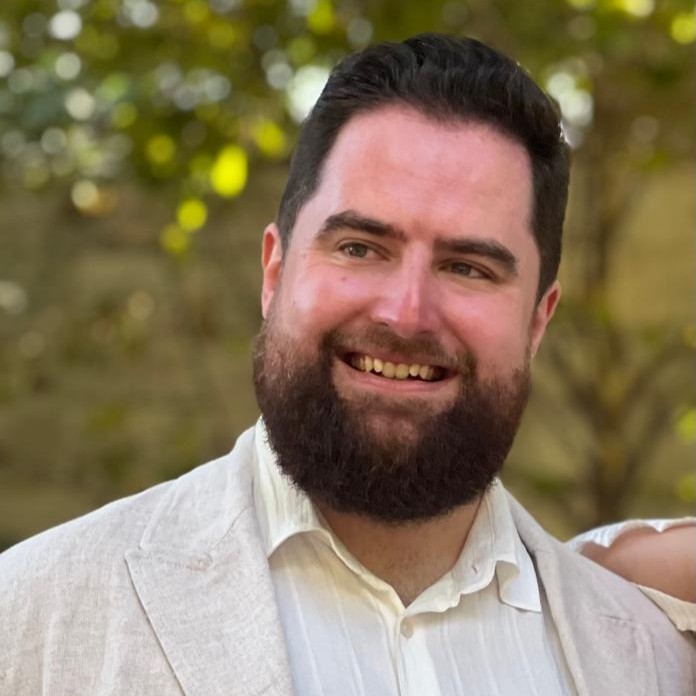
I am a CBS-researcher passionate about supporting people with chronic health conditions in living fuller and more purposeful lives having grown up with a parent experiencing significant and lifelong health difficulties and experiencing chronic illness myself.
I completed my PhD in the University College Dublin CBS Lab under the supervision of Prof. Louise McHugh. I now work in the Centre for Psychology and Social Science at Dublin Business School (DBS) where I am a lecturer and Programme Director of the MSc in Applied Psychology (Health and Wellbeing). I am also a member of the UK & Ireland Chapter of ACBS and have served as a member-at-large since 2024.
In my free time, you’re most likely to find me indulging my interest in the RMS Titanic or getting overexcited about the Mayo gaelic football team.
- 10:00 - 11:15 | The Embodied Athlete; Removing the Emotional Dog Cones and Reconnecting with the Heart of Performance - Jorge Aguilar, Ph.D., MD, & Trevor Jones, BA
The Embodied Athlete; Removing the Emotional Dog Cones and Reconnecting with the Heart of Performance - Jorge Aguilar, Ph.D., MD, & Trevor Jones, BA
10:00 GMT - Time Zone Converter
Session Abstract: Triumph and defeat in professional sport are often forged in a crucible of pressure, giving rise to some of our most powerful emotional experiences. Yet when emotions surface, especially ones associated with vulnerability, many athletes instinctively respond with two words: "I'm sorry." Those words reveal more than a moment—they reveal a culture. A culture in which athletes learn that feeling what they feel is something to apologise for, rather than something to notice, understand, and carry with them.
This experiential workshop explores how these cultural learning histories shape athletes' relationships with their bodies through an Acceptance and Commitment Therapy (ACT) and interoceptive lens. Drawing on predictive coding, psychological flexibility and social mindfulness, we examine how inherited Rules of the Road—socially learned beliefs about confidence, composure, vulnerability, and emotional control—can narrow interoceptive awareness and disconnect athletes from valuable embodied information.
We propose that this disconnection directly contributes to the performance handbrake—a protective mode that can manifest as the yips, movement disruption, performance anxiety, burnout, injury, emotional distress, and increasingly cautious patterns of performance. Rather than treating these as separate problems, we frame them as different expressions of common contextual processes shaping an athlete's relationship with their embodied experience.
Using our ACE Driving framework (Acknowledge, Compose, Engage) and five contextual pathways, participants will experience both practical exercises and athlete's stories around reconnecting with the internal "dashboard," transforming bodily sensations from problems to eliminate into sources of meaningful information. Rather than teaching emotional control, this workshop offers a practical, compassion-focused framework for cultivating emotional and interoceptive flexibility, helping athletes perform with greater agency, freedom, and psychological wellbeing.
Educational Objectives:
1. Recognise how cultural rules and learning histories shape athletes' relationships with their emotions and bodily sensations.
2. Describe how interoceptive exposure and ACT processes can help athletes move from emotional control toward emotional willingness and flexibility.
3. Understand how neuroscience's predictive coding offers new insights into composure as an adaptive engagement with uncertainty, rather than the absence of emotion.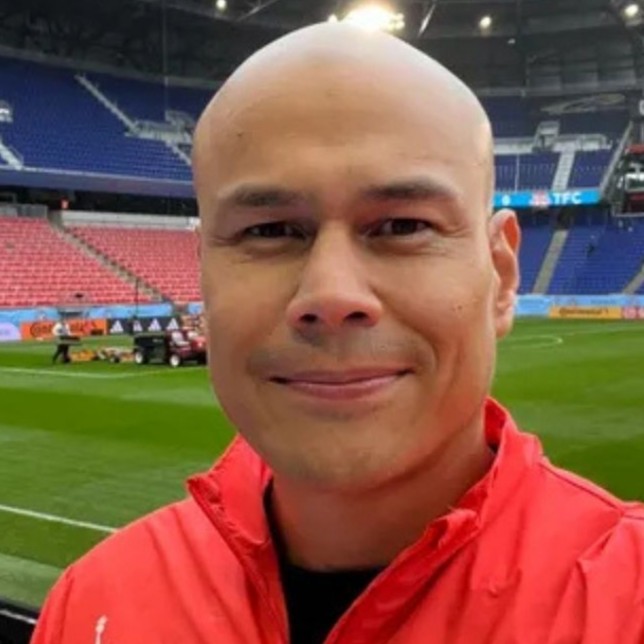 Jorge Aguilar, MD, Ph.D. is a Consultant to Major League Baseball (MLB) and Major League Soccer (MLS) on mental health & mental performance, and the team Sport Psychiatrist for NYCFC in MLS.
He is Director of the Institute for Sports Mental Health & Performance at Montefiore Einstein, and an Assistant Professor of Psychiatry & Behavioral Sciences at the Albert Einstein College of Medicine.
 Trevor Jones, BA, is a Mental Performance Coach, professional golfer, and member of the Aware Performance Group. Drawing on over 15 years of experience supporting elite and developing athletes across golf, cricket, baseball, tennis, music, and other high-performance domains, his work integrates contextual behavioural science, predictive processing, and interoception to help individuals cultivate greater psychological flexibility under pressure.
A former national champion and European Tour professional, Trevor combines lived experience with contemporary behavioural science to explore how fear, attention, and embodied awareness shape performance. Alongside Dr. Jorge Aguilar, he is developing an embodied approach to performance that invites athletes to move beyond emotional control towards greater agency, freedom, and sustainable excellence.
Together, they are co-authors of the forthcoming book *How to Fix the F*ing Yips*.
- 11:30 - 12:45 Panel | Building Bridges: Integrating Research and Clinical Practice - Diana Bast, Ph.D.; Maria Karekla, Ph.D.; Rikke Kjelgaard, M.Sc.; Staci Martin, Ph.D.; Temple Morris, MSW; Jennifer Payne, Ph.D.; Jacqueline Pistorello, Ph.D.
Building Bridges: Integrating Research and Clinical Practice - Diana Bast, Ph.D.; Maria Karekla, Ph.D.; Rikke Kjelgaard, M.Sc.; Staci Martin, Ph.D.; Temple Morris, MSW; Jennifer Payne, Ph.D., LCSW; Jacqueline Pistorello, Ph.D.
11:30 GMT - Time Zone Converter
Session Abstract: A longstanding opportunity within mental health —contextual behavioral science included— lies in strengthening the connection between science and practice. Despite our best intentions, researchers and clinicians often end up in silos, with little communication flowing between them. This dynamic is partly a product of researchers not fully appreciating the potential clinical implications of their work and clinicians not knowing how to best integrate evidence-based methods into their client sessions. This, in turn, creates further distance between the silos, widening the divide between scientific knowledge and clinical care. And professionals from both specializations often don’t know how to begin to overcome this problem. In this interactive panel, attendees will hear from contextual behavioral scientists, practitioners, and peer-reviewed trainers about their experiences, challenges, and successes in pursuing the goal of bridging the researcher-clinician gap. Attendees also will hear from people aiming to establishing a network that connects researchers and clinicians for potential collaborations within ACBS. Questions and input from attendees will be welcome.
Educational Objectives:
1. Identify at least two barriers that prevent clinicians from engaging in research.
2. Explain at least two obstacles researchers encounter when designing or implementing studies grounded in clinical practice.
3. Name one benefit of a clinician-researcher network. Diana Bast, Ph.D., is a Brazilian/Italian clinical and behavioural psychologist and researcher based in Ireland. Shereceived her PhD from the National University of Ireland, Maynooth, under the supervision of Professor Dermot Barnes-Holmes. She completed postdoctoral research in psychology at the Federal University of São Carlos (UFSCAR) and at the University of Galway (formerly NUI Galway), funded by the São Paulo Research Foundation (FAPESP). She was Assistant Professor at Trinity College Dublin in the Master’s in Applied Behaviour Analysis programme. She is a Chartered Psychologist of the Psychological Society of Ireland and an accredited Clinical Psychologist (Department of Health, Ireland). As both a clinician and a researcher, she is interested in the dynamic interaction between basic and applied science, and has worked across several areas of RFT and ACT, including hierarchical relational framing, Prosocial, the RFT analysis of ACT processes, and translational research. Currently, she works solely in a private capacity as a clinical psychologist. She is also active in disseminating RFT to wider audiences through institutional teaching and conference workshops.Maria Karekla, Ph.D., is a licensed clinical psychologist, peer-reviewed Acceptance and Commitment Therapy trainer, Professor and Chair of the Department of Psychology, University of Cyprus, and heads the “ACTHealthy: Clinical Psychology and Behavioral Medicine” laboratory. Her research focuses on areas of health promotion and the investigation of individual difference factors (especially psychological flexibility parameters) as they relate to the development and maintenance of various behavioural difficulties, especially nicotine use and addiction. She also examines the treatment of these difficulties utilizing process-based and Contextual Behavioral Science principles and innovative delivery methods (e.g., digital interventions, virtual reality) in line with precision and personalized medicine. This led to very successful digital interventions for which she received numerous local, European and international grants, distinctions and awards; among them the European Drug Prevention Prize by the Pompidou Group and the Council of Europe for innovative work in drug prevention with the active involvement of youth for the project ¨Smoking prevention and cessation in High schools and Technical schools in Cyprus.¨
 Recent honours include the Researchgate Psychology Leader Award and the Outstanding Graduate in Psychological Science Award, Valdosta State University; while students under her guidance have also received numerous honors and awards (e.g., Best New Researcher Award, Cyprus Research and Innovation Foundation to her graduate Pinelopi Konstantinou based on her dissertation work; ACBS student spotlight award for basic science to her doctoral student Marianna Zacharia for “Acceptance and Commitment Therapy for Breast Cancer patients” in 2024 and to her masters’-level student Georgia Polyviou for “Multi-user Virtual Reality for the prevention of eating disorders among high-risk females” in 2022; First place and the Michael J. Asher Dissertation Award to her doctoral student Dafne Morroni for project “Acceptance and Commitment Therapy for Unaccompanied Minor Refugees”; Best Presentation Award, for Orestis Kassinopoulos for “Examination of Low Engagement in a Group-Based ACT Intervention for Chronic Pain Management” at the 18th International Conference on Psychology, Cognitive, Education and Behavioral Sciences; etc.)
She is appointed by the Cyprus Minister of Health to the National Strategic Planning Committee for Mental Health, the National Strategic Planning Committee for Eating Disorders and the National Advisory Committee for Tobacco Control, and previously in the Board on Medically Assisted Reproduction and chair of the National Bioethics Committee. She served as the convenor of the European Federation of Psychology Associations’ (EFPA) Psychology and Health committee and member of the e-health task force. She is a past-President of the international Association for Contextual Behavioral Science (ACBS), from where she received the status of “Fellow” in 2019. In 2023 she became a fellow of the European Health Psychology Society and in 2021 by the Society of Behavioral Medicine, whereas in 2018 she was nominated as Cyprus “Woman of the Year: Academic/Researcher category.” She is the Scientific Chair for the 2026 European Health Psychology conference with great experience in scientific and organizing committees. She has published more than 160 peer-reviewed scientific articles, 14 chapters in edited books, 5 books, 5 technical reports and numerous papers in scientific conference proceedings. Her first psychotherapeutic children’s story book was nominated for the 2017 National Literary Awards (category Children/Adolescents) and for her illustrations for the book. She is active in scientific journal editorial boards (e.g., Journal of Contextual Behavior Science, Cognitive Research and Therapy) and as a research grant reviewer for scientific boards in numerous countries and the European Union. Moreover, she is a TEDx speaker and she has been hosted and interviewed for her work by numerous podcasts, newspapers, TV and radio stations nationally and internationally.
Rikke Kjelgaard, M.Sc., is a licensed psychologist, peer-reviewed ACT trainer, an awarded fellow of the Association for Contextual Behavioral Science, author, speaker and chief rock’n’roller in her own business. Rikke is on a mission to help therapists thrive and to be brave and authentic helpers. Trained as a clinical psychologist, she has a 20 year background in the science of human behaviour and the practice of behaviour change. Rikke is a popular speaker at the Scandinavian as well as the international stage, and she is known to bring both passion and vulnerability to her talks. She transforms the lives of her audience by bringing evidence based strategies to her listeners in ways that are edible, manageable and impactful. Rikke is known to leave her audience in tears with compelling stories from her own life and to create extraordinary interactions between people.Dr. Staci Martin is a clinical psychologist with specialized expertise in health psychology and Acceptance and Commitment Therapy. Dr. Martin is affiliated with True North Therapy and Training as a private ACT consultant and trainer. As a peer-reviewed trainer, she conducts trainings with mental health and medical professionals regularly. She is President Emeritus of the Mid-Atlantic Chapter of ACBS, a past ACBS board member-at-large for basic science, chairs the ACBS plenary subcommittee, and previously chaired the ACBS Pain Special Interest Group. For over 30 years, Dr. Martin has been working in medical settings with populations including cancer, sickle cell disease, and various genetic syndromes. At the National Cancer Institute (NCI), she is the Clinical Director of the Health Psychology and Neurobehavioral Research Program, where she directs an ACT clinical program. Her research focuses on ACT interventions for children through adults with health conditions and their family members. Dr. Martin has received NCI Special Act Awards for her expertise and leadership in the field of Acceptance and Commitment Therapy and the Outstanding Mentor Award. Dr. Martin has authored over 85 publications in peer-reviewed journals, several of which have been selected as Editor’s Choice or Feature articles. For the Journal of Contextual Behavioral Science, she served as Guest Editor-in-Chief (2021-2023), Associate Editor (2018-2025), and Editorial Board Member (2026-present). In addition, she has been an invited speaker throughout the U.S. and internationally and has been interviewed on several health-focused podcasts about her work.Temple Morris, LCSW-C, is co-founder of True North Therapy & Training, an organization committed to sharing contextual behavioral therapies with clients, practitioners, and the broader community. As a therapist, she specializes in Acceptance and Commitment Therapy (ACT) and Psychedelic Harm Reduction and Integration (PHRI), providing both direct care and clinical supervision in these evidence-based modalities. Temple serves as a Consultant Therapist at Sunstone Therapies, where she provides MDMA-assisted and psilocybin-assisted therapy to study participants with treatment-resistant PTSD and Major Depression. She is also co-founder of Perspective Retreats, a collaborative team of therapists and researchers offering ACT-informed preparation, guidance, and integration services through immersive retreats designed to train professionals in supporting psychedelic experiences safely and effectively.Committed to expanding access to innovative mental health care, Temple recently helped establish Psychedelic Assisted Therapy and Healing (PATH), a nonprofit working to make legal psychedelic therapy available and affordable to all. She serves as co-chair of the board for the ACBS Psychedelic Special Interest Group, where she co-leads monthly ACT-informed PHRI peer consultation groups.
Jennifer Shepard Payne, Ph.D., LCSW, is faculty at the Kennedy Krieger Institute within the Center for Child and Family Traumatic Stress (CCFTS). Additionally, she is an assistant professor at the Johns Hopkins University School of Medicine in the Department of Psychiatry, Division of Child and Adolescent Psychiatry. She founded and owns Direct To God Counseling and Consulting LLC, a private practice committed to helping individuals facing anxiety or trauma, with an emphasis on culture and faith.Dr. Payne earned a Ph.D. in Social Welfare from UCLA and is a Licensed Clinical Social Worker with extensive experience in mental health practice. She developed a culturally tailored Acceptance and Commitment Therapy intervention called POOF™ and provides training and consultation on the model. Her book, *Out of the Fire: Healing Black Trauma Caused by Systemic Racism Using Acceptance and Commitment Therapy*, delivers a heartfelt message for Black individuals and other marginalized populations enduring the debilitating effects of systemic racism.
Jacqueline Pistorello, Ph.D. is Faculty Emerita at University of Nevada, Reno (former Counseling Services Director). She remains active as research faculty at Counseling Services, where she has worked with college students for over two decades. She specializes in mindfulness and acceptance-based approaches for treating and preventing mental health problems among university students. She has received multiple grants from the U.S. National Institutes of Health to study the application of psychotherapeutic treatments, including Acceptance and Commitment Therapy (ACT) and Dialectical Behavior Therapy (DBT), towards interventions with college students on campuses. Dr. Pistorello has been interested in understanding how to prevent mental health problems using ACT/RFT as well as how to treat mental health distress in real world settings using more personalized approaches.
- 13:00 - 14:00 | IGNITE Session 1
13:00 GMT - Time Zone Converter
IGNITE presentations are short, structured talks in which presenters present on ideas and issues they are most passionate about using a “deck” of 20 slides that auto-advance every 15 seconds for a total of 5 minutes each. IGNITE block 1 includes the following sessions:
ACT and the body: Committed action while enduring toxic or chronic stress. Presented by Jennifer Payne, PhD, LCSW-C, Johns Hopkins University, Baltimore, MD, USA
Racial trauma and the body: Exploring self-as-context as a pathway toward healing. Presented by Alexander Simmons, MSW, Questions & Exploration Therapy, LLC
ACT BRAVE. Presented by Cameron Williams, MSW, Mountain Area Health Education Center
Trauma-related approach-avoidance conflict: Probing a key therapeutic process with a novel behavioral task. Presented by Manny Stegall, BSc, Doctoral Student, University of Iowa, Department of Psychological and Brain Sciences
Is it possible for both healthcare professionals and patients to achieve contented health and mutual flourishing?. Presented by Eunice Dai, MDiv, PhD, Member of the Association for Contextual Behavioral Science and the American Psychological Association
What does your body say about that? When emotion language gets in the way: Interoception as an alternative entry point into present-moment contact. Presented by Unna Goldsworthy, Master's in Exercise Rehabilitation, Private Practice
Identifying transdiagnostic targets for intervention among individuals with chronic pain utilizing a broad-based internalizing symptoms measure. Presented by Micah Williams, BSc, University of Iowa
The compassionate bodies community journey: ACT-informed ways of relating to body experience and belonging. Presented by Georgia Tsikoura, MSc, Compassionate Bodies Project, non-profit organisation, London, UK
- 14:15 - 15:30 | Just Take a Deep Breath [and Start Hyperventilating]: Understanding the Complex Interplay Between Physiology, Interoception, and Lay Beliefs - Alicia E Meuret, Ph.D.
Just Take a Deep Breath [and Start Hyperventilating]: Understanding the Complex Interplay Between Physiology, Interoception, and Lay Beliefs - Alicia E Meuret, Ph.D.
14:15 GMT - Time Zone Converter
Session Abstract: Breathwork has become increasingly prominent in psychotherapy, digital health, and consumer wellness technologies, yet many approaches lack rigorous mechanistic validation. This presentation examines the relationship between respiration, interoception, and anxiety, with a focus on panic disorder and translational research on respiratory interventions.
Decades of basic research demonstrate that panic disorder is frequently characterized by chronic overbreathing resulting in abnormally low carbon dioxide (CO₂) levels, or hypocapnia. Although oxygen levels remain normal, hypocapnia can produce dyspnea, dizziness, chest pain, paresthesia, and sensations of suffocation, symptoms that closely resemble panic attacks themselves. These effects may be particularly pronounced in individuals with elevated interoceptive sensitivity, such as patients with panic disorder or anxiety, as well as those with chronic somatic conditions such as asthma, who are more likely to perceive and catastrophically interpret bodily sensations.
Contrary to common assumptions that “taking a deep breath” is inherently calming, excessively deep breathing can increase ventilation beyond metabolic demand, reduce CO₂, and paradoxically intensify physiological arousal and panic like symptoms. This may inadvertently undermine the intended anxiolytic effects of many relaxation and guided breathing practices, particularly among individuals vulnerable to habitual overbreathing.
The presentation will review findings from multiple randomized controlled trials on Capnometry Assisted Respiratory Training (CART), a biofeedback intervention designed to normalize CO₂ through slower and shallower breathing. Across studies in panic disorder and asthma, CART has demonstrated substantial and durable clinical improvements alongside normalization of respiratory physiology. Results from a recent randomized controlled trial evaluating a commercially available guided breathing application (Apple Watch “Breathe”) will also be presented, highlighting ongoing questions about how paced breathing interventions influence underlying respiratory physiology despite their widespread use.
Educational Objectives:1. Describe the role of respiratory physiology and carbon dioxide regulation in anxiety and panic-related symptoms.
2. Explain the mechanisms and clinical applications of Capnometry-Assisted Respiratory Training (CART) for anxiety disorders.
3. Evaluate the benefits and potential physiological risks of contemporary breathwork and guided breathing interventions, including consumer wellness applications. Prof. Dr. Alicia E. Meuret, Ph.D., is a Licensed Psychologist with the Texas State Board of Examiners of Psychologists and the Indiana State Psychology Board. She is the Director of the Anxiety and Depression Research Center (ARC) at SMU. Dr. Meuret is a tenured professor in the clinical psychology division of the Department of Psychology at SMU.
Dr. Meuret completed her doctoral studies at Stanford University's Department of Psychiatry and Behavioral Sciences and her postdoctoral studies at the Affective Neuroscience Laboratory at Harvard University and the Center for Anxiety and Related Disorders at Boston University.
Her research program focuses on novel treatment approaches for anxiety and mood disorders (with a focus on low positive affect/anhedonia), biomarkers in anxiety disorders and chronic disease (asthma), fear extinction mechanisms of exposure therapy, and mediators and moderators in individuals with affective dysregulations, including non-suicidal self-injury and reward hyposensitivity (anhedonia). Dr. Meuret is the founder of Capnometry-Assisted Respiratory Training (CART) and Positive Affect Treatment (PAT).
Dr. Meuret has published over 130 scientific publications and has received ongoing funding for her work from the National Institutes of Health and other funding agencies (>$10 M), including NIH R01, U, and R61/33 grants. Additionally, she has authored over 250 presentations at scientific conferences, including invited talks, keynote and plenary addresses, and psychiatry grand rounds. Dr. Meuret serves on several NIH reviews and on federal and scientific expert advisory boards. She was president of the International Society of the Advancement of Respiratory Psychophysiology (ISARP) and is a member of the American Psychological Association (APA), Anxiety and Depression Association of America (ADAA), Psychiatric Research Society, Association of Behavioral and Cognitive Therapy (Fellow status), and ISARP. Dr. Meuret has received multiple honors for her work, including from the ADAA, the Psychiatric Research Society, and the American Psychosomatic Society.
Dr. Meuret is the Chair of the Scientific Advisory Board and serves on the Board of Directors of the Anxiety and Depression Association of America, and was the past president of ISARP and the Anxiety Disorders Special Interest Group at the Association for Behavioral and Cognitive Therapies. She served as a technical expert for the Agency for Healthcare Research and Quality Effective Health Care Program and DSMB chair at UTSW for psychopharmacological studies. Dr. Meuret is a Beck Institute Fellow and Rotunda SMU Outstanding Professor. Dr. Meuret serves on eight editorial boards and was a Guest or Associate Editor of Behavior Therapy, the International Journal of Psychophysiology, and Behavior Research and Therapy. Dr. Meuret actively fosters female leadership representation, chairing academic society career development leadership programs, including the ADAA Alies Muskin Career Development Leadership Program.
- 15:45 - 17:00 | Beyond Safety: A Conceptual and Experiential Exploration of Appetitive Embodiment - Emily Sandoz, Ph.D.
Beyond Safety: A Conceptual and Experiential Exploration of Appetitive Embodiment - Emily Sandoz, Ph.D.
15:45 GMT - Time Zone Converter
Session Abstract: Embodiment is a unique and multidimensional aspect of human experience. As a repertoire, embodiment involves (1) the perceptual experience of living in a body, along with (2) thoughts and (3) feelings about the body, (4) actions toward and with the body, and (5) the role bodily perceptions, thoughts, feelings, and actions play in identity. Embodiment is often approached as falling on a continuum from negative embodiment to positive embodiment. A contextual perspective, however, invites us to consider embodiment functionally in terms of breadth and flexibility. This presentation will explore appetitive embodiment as an aspect of wellness that can inform conceptualization, assessment and treatment. Appetitive embodiment may offer an important target both when body issues are central to presenting struggles, and when the body is available as a resource to support growth in other domains. Exploration will proceed both conceptually and experientially, and land on discussion of clinical implications.
Educational Objectives:
1. Participants will describe different facets of embodiment
2. Participants will contrast appetitive embodiment with positive embodiment
3. Participants will describe one way they might target appetitive embodiment in their work Dr. Emily K. Sandoz (she/they) is the Director of the University Honors Program, the Emma Louise LeBlanc Burguieres/BORSF Endowed Professor of Social Sciences, and Full Professor in the Psychology Department at the University of Louisiana at Lafayette. Emily is also the Director of the Louisiana Contextual Science Research Group, which supports collaborative contributions from students and professionals from all over the world. They have co-authored three books on acceptance and commitment therapy for struggles with eating and body image, along with chapters and journal articles on contextual behavioral science, social justice, clinical behavioral processes, and psychological flexibility. Emily has led more than 100 training workshops for professionals around the world, and serves as a peer-reviewed ACT trainer. They also practice as a Clinical Psychologist and a Board Certified Behavior Analyst, focusing on clinical behavior analysis.
- 17:15 - 18:30 | Increasing Physical Activity with Self-Guided Acceptance and Commitment Therapy: Findings from Different Intervention Approaches - Michael Levin, Ph.D.
Increasing Physical Activity with Self-Guided Acceptance and Commitment Therapy: Findings from Different Intervention Approaches - Michael Levin, Ph.D.
17:15 GMT - Time Zone Converter
Session Abstract: Physical activity is a key behavior for promoting health and wellbeing, but is also challenging to change and maintain. Acceptance and commitment therapy (ACT) has been found to improve health behaviors, including physical activity, but most of this work has been done through therapist-delivered interventions. Delivering ACT in self-guided formats has significant promise for increasing its scale and reach. Yet, it is not clear how best to adapt and deliver self-guided ACT to achieve its potential for health promotion.
This presentation will review the findings for physical activity outcomes across a series of trials evaluating different self-guided approaches to delivering ACT for health promotion. One line of research that will be discussed focuses on reducing the negative effects of weight self-stigma through an ACT self-help book for outcomes including physical activity. Another series of studies explores whether an ACT matrix app focused on tracking behavior in relation to moving towards values (or away from unwanted inner experiences) impacts physical activity and broader wellbeing. A third approach integrating ACT with dietary and physical activity education in a web-based format will also be discussed. These studies will provide the context for exploring different ways ACT can be used to promote physical activity as well as challenges and lessons learned from this work (e.g., navigating weight loss goals from an ACT perspective, limitations in broad ACT approaches for improving physical activity).
Educational Objectives:
1. Describe ways that ACT can be used to promote physical activity
2. Discuss the research evidence for ACT in improving physical activity
3. Explain challenges with ACT self-help interventions for physical activity Michael E. Levin, Ph.D. is a Professor in the Department of Psychology at Utah State University (USU) where he co-directs the USU ACT Research Group with Dr. Michael Twohig. His research focuses on the development, evaluation, and implementation of digital ACT interventions for a wide range of areas including health promotion, chronic health conditions, depression, and obsessive compulsive and related disorders. He has conducted over 50 clinical trials evaluating digital ACT programs through ongoing federal and foundation funding over the past 15 years. This research has led to the dissemination of ACT Guide, a publicly available suite of digital ACT self-help programs.
- 18:45 - 20:00 | Embodied ACT: Relational Presence and Embodied Metaphors in Clinical Practice - Manuela O'Connell, Lic.
Embodied ACT: Relational Presence and Embodied Metaphors in Clinical Practice - Manuela O'Connell, Lic.
18:45 GMT - Time Zone Converter
Session Abstract: Within CBS, growing attention is being given to the role of the body, embodiment, and therapeutic presence in psychological flexibility and behavioral change. This experiential workshop explores how embodiment can deepen ACT practice through relational presence, somatic awareness, and embodied metaphors. Participants will learn how bodily experience can function as a direct pathway for fostering openness, awareness, connection, and values in real time.
Special attention will be given to the therapist’s embodied presence within the therapeutic relationship and to the use of embodied metaphors that emerge through posture, movement, gesture, and sensory experience. Through experiential exercises and clinical reflections, participants will explore how psychological flexibility can be cultivated as a lived, relational, and embodied process.
Educational Objectives:
1. Describe how embodiment and bodily experience can be integrated into ACT and CBS as processes that support psychological flexibility and behavioral change.
2. Apply relational and embodied interventions, including embodied metaphors and therapist presence, to foster openness, awareness, connection, and values in clinical practice.
3. Develop greater sensitivity to posture, movement, gesture, and sensory experience as opportunities for cultivating psychological flexibility within the therapeutic relationship. Manuela O'Connell, Lic.: Clinical psychologist specializing in ACT, Mindfulness, FAP and CFT. Peer Reviewed ACT Trainer and Fellow for ACBS. ACT trainer and supervisor along Latin America in the Spanish speaking population. Board President of ACL Foundation (Live with Awareness, Courage and Love). Certified Mindfulness Meditation Teacher with Tara Brach and Jack Kornfield. I have been involved also in body work and somatic training for the last 30 years also a certified Eutony teacher. In this area I have been integrating somatic experiences with Mindfulness and ACT in the form of Embodied Metaphor into my clinical work and has presented around this topic extensively. Author of a general public book Una vida valiosa from Random Penguin House in Spanish and delivered ACT for the general public interventions. Co-author of The ACT Workbook for Anger with Dr. Robyn Walser and wrote several publications in the area of the therapeutic relationship and couples work.
- 20:15 - 21:15 GMT | IGNITE Session 2
20:15 GMT - Time Zone Converter
IGNITE presentations are short, structured talks in which presenters present on ideas and issues they are most passionate about using a “deck” of 20 slides that auto-advance every 15 seconds for a total of 5 minutes each. IGNITE block 2 includes the following sessions:
A Quilt About Therapy. Presented by Hannah Sternberg, MSc, Clinical Rehabilitation and Mental Health Counseling, Private Practice
Purls of wisdom: Knitting as a practice of psychological flexibility. Presented by Paula Redmond, DClinPsych, Creative Restoration and Mia Hobbs, DClinPsych, Creative Restoration
What your body tells me about you: Implicit associations between body shape and character traits. Presented by Aleksandra (Alex) Maryniak, Master’s student, University of Lodz
Using body awareness to facilitate values-based action in adolescents. Presented by Hulya Ilhan, MA, PhD student, Üsküdar University
The body does not keep the score. The body offers new data. Presented by Artur Chruszcz, BSc, GCFP, Private Practice
The interbehavioral concept of the whole organism. Presented by Mitch Fryling, PhD, California State University, Los Angeles
Your pain is the least interesting thing about you. Presented by Corey Petersen, MA (Marriage and Family Studies), MS (Professional Communication), PhD (Communication Studies), Private Practice; C&C Therapy
Recordings
RecordingsWith the ACBS Virtual Summit registration, you’ll get access to:
- all Virtual Summit: ACT and the Body sessions from 8 October (live and recorded)
- plus all pre-recorded IGNITE submissions
- plus 15 curated recordings from the 2026 ACBS World Conference (including workshops, plenaries, panels, etc.)
—available to watch anytime 10 September - 10 November 2026.
Live Zoom Translated Captioning available on 8 October, and for 8 October recordings and available World Conference recordings.
Scroll down to explore the World Conference recordings that are included.
(Please note: continuing education credit is not available for any recorded viewing.)
2026 Featured World Conference Speakers:
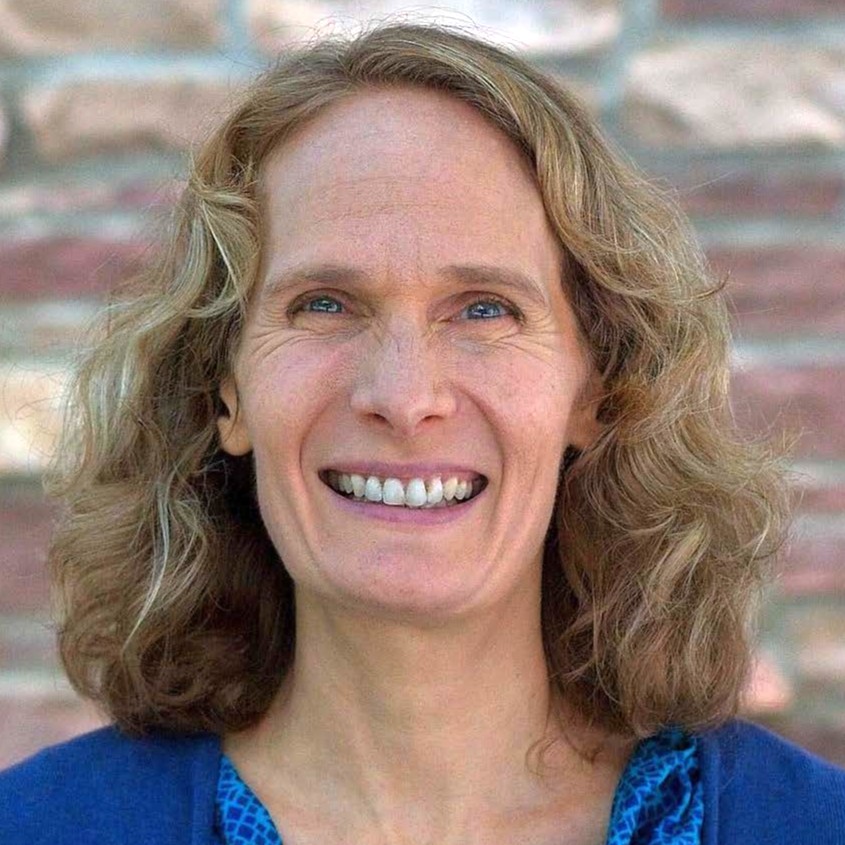 |  |  | 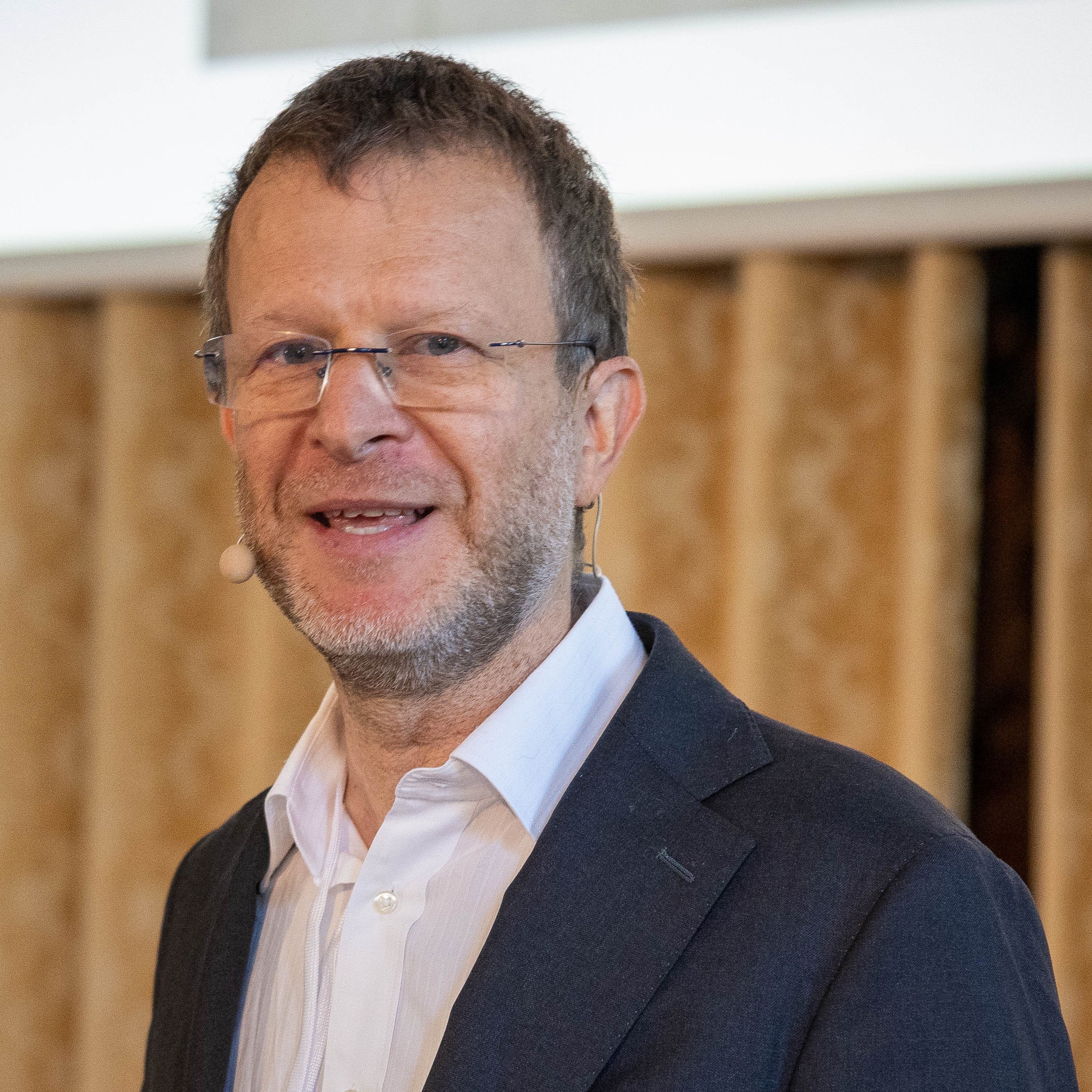 |  |
Joanna J. Arch, Ph.D. | Peter Fonagy, Ph.D. | Manuela O'Connell, Lic. | Mark van Ommeren, Ph.D. | Kelly Wilson, Ph.D. |
- The Place of Poetics in Contextual Behavioral Science - Kelly Wilson (Plenary)
In this plenary, I will explore the role of poetics within contextual behavioral science, with particular attention to how it can shape the doing and teaching of psychotherapy. By poetics, I do not mean ornament or metaphor alone, but a disciplined sensitivity to the tone, form, rhythms, textures, and unfolding of lived experience.
Human motivation is often opaque and rife with contradiction. We are shaped over time by the questions we encounter—some spoken plainly, others embedded in the quiet demands of family, work, love, and culture. Much of what we call identity emerges in response to those pressures. Although we are aware of some aspects of this shaping process, a great deal of learning and motivation occurs outside the bright, dumb light of awareness.
A poetic stance does not rush to explanation or correction. Instead, it slows, listens, and follows the living structure of experience as it reveals itself in relationship. In that shared light—between therapist and client, teacher and student, human and human—complexity is not reduced but honored. When we are willing to remain present to uncertainty, without collapsing into the certainty of pedagogy or technique, paths appear that are dignified, meaningful, and worth the pain they require. Poetics, in this sense, names the creative and ethical discipline of staying with what is alive long enough for transformation to arrive.
I am not calling for a rejection of science, but for a right-sizing of a particular scientific posture, and for recognition that this sensibility runs deeply through the intellectual history of contextual behavioral science.
- The Art of ACT - John Forsyth, Jamie Forsyth (Workshop)
ACT is often taught as six core processes, but masterful practice requires more than “doing the hexaflex.” In this intermediate-to-advanced workshop, we move beyond fidelity to protocol toward the art of process work grounded in relational awareness.
When might defusion be contraindicated? How do we detect pseudo-acceptance or values used in the service of avoidance and control? How can we determine which process is operating in the moment, while recognizing when a well-intended intervention has missed its mark? Can we integrate interventions from other traditions in an ACT-consistent way and, if so, how?
Through live demonstrations and applied case examples, we will teach participants how to assess and use language as intervention, map processes in real time, and sequence interventions based on function rather than form. Special attention will be given to relational processes, including therapist–client dynamics, moment-to-moment functional responding, and the client’s relationship with self, their pain, and history.
Participants will leave with greater clarity about how to do ACT artfully while embodying their own unique voice and clinical style.
- Mastering Creative Hopelessness: From Concept to Compassionate Clinical Skill - Rikke Kjelgaard, Robyn Walser (Workshop)
Creative Hopelessness is one of the most powerful processes in ACT. While many clinicians understand the concept, staying with the lived experience of Creative Hopelessness in the therapy room can be surprisingly difficult. When clients reach the limits of familiar problem-solving, urgency often emerges, and therapists may feel pulled to reassure, direct, or “help” in ways that subtly restore control rather than allow genuine contact with unworkability. In this experiential workshop, participants are invited to deepen their capacity to engage Creative Hopelessness as a compassionate, embodied clinical skill rather than a conceptual intervention. We'll explore why this process is so challenging for both clients and therapists, and how well-intended qualities such as competence, responsiveness, and care can inadvertently interfere when discomfort with not knowing takes the lead. Through demonstrations and experiential exercises, participants will practice noticing and staying with the urge to fix, while learning to recognize the subtle shifts that reflect contact with the limits of control and the opening that follows. The emphasis is on presence, timing, and trust in the process itself.
- Trauma, the Therapeutic Relationship, and the Bridge between Psychoanalytic and Contextual Behavioral Traditions - Steven Hayes, Robyn Walser, Peter Fonagy, Sherri Turrell (Panel)
Psychoanalytic and contextual behavioral perspectives have long shared the view that human psychological actions need to be viewed functionally rather than by mere appearance. Despite that, it is a historical fact that these two traditions have often viewed each other as being an opposition. That era seems to be passing as psychotherapy work focuses more deeply on processes of change, considered in a way that doesn't ride roughshod over the details of our clients' lives. This panel will explore how a bridge might best be constructed between these traditions, focusing on trauma and the therapeutic alliance as an example. Ideas central to each tradition will be used as process lenses for seeing where the two traditions might connect with each other. From the psychoanalytic side there will be a focus on mentalization – the capacity to understand self and others in terms of intentions, feelings, and beliefs – and how it impacts flexibility and rigidity in the aftermath of trauma. CBS ideas of relational learning, psychological flexibility, and perspective taking will be explored. As with all genuine conversations, the intent is to bring a posture of openness and a willingness to see each other's viewpoint serves as a testbed for the idea that the overlapping but distinct ideas of psychoanalytic and contextual behavioral thought might be mutually beneficial when seriously and mutually considered.
- Epistemic trust and trauma: Pernicious impact and therapeutic solutions, a mentalization based treatment approach - Peter Fonagy (Plenary)
Trauma is often understood in terms of overwhelming affect, disrupted attachment, or traumatic memory. Increasingly, however, it can also be understood as an epistemic injury: a disruption in the capacity to learn from other people. Experiences of abuse, neglect, humiliation, coercion, or chronic misattunement may undermine not only trust in specific individuals but confidence in communication itself, leaving people uncertain about whether information from others is relevant, reliable, or safe to use.
From this perspective, many of the difficulties associated with trauma can be understood as consequences of disturbances in epistemic trust. Individuals may become hypervigilant and dismiss potentially helpful information, or become excessively credulous and vulnerable to exploitation. In either case, opportunities for adaptive social learning are compromised.
This presentation will explore the relationship between trauma, mentalizing, attachment, self-other differentiation, and epistemic trust within a contemporary Mentalization-Based Treatment (MBT) framework. Drawing on developmental research, social cognition, psychotherapy process research, and clinical experience, it will consider how trauma disrupts the capacity to benefit from interpersonal communication and how psychotherapy may help restore this capacity.
The presentation will focus on practical therapeutic implications, describing how therapists can foster epistemic trust through curiosity, collaboration, validation, transparency, and the repair of misunderstandings. Rather than viewing psychotherapy primarily as the transmission of insight, the talk will suggest that one of its most important functions is to restore a person's capacity to learn from others and to use new social experiences in the service of recovery and growth.
- Progressing Research on Process-Based Therapy: Discussing Challenges and Lessons Learned - Michael Levin, Steven Hayes, Andrew Gloster, Lance McCracken, JoannaArch (Panel)
Process-based therapy (PBT) is a pivotal development in the application of CBS to psychological interventions. PBT provides a common framework to bring together researchers and practitioners across therapeutic approaches, shifting from treatment packages to processes, and guiding radical shifts to how treatments are developed and studied. This work is in an early phase with key challenges to address as PBT research progresses. For example, assessment methods are needed to guide personalization of treatment for each individual based on relevant processes that are precise, clinically useful, and practical. PBT highlights inherent limitations of purely normative approaches based on aggregates, requiring methodological advances to guide prediction and influence of behavior idiographically in ways that can be organized into broader insights. Scientific strategy is needed to progressively build knowledge enabling treatment personalization and to implement PBT in ways that navigate systems-level challenges and unmet needs for mental health care. This panel will explore challenges to be addressed for progressing PBT research, discussing lessons learned from PBT research and innovative ideas for next steps to move PBT research forward.
- Punishment as Process in Clinical Work: A Functional Contextual Approach in ACT - Manuela O'Connell, Robyn Walser (Workshop)
Within Acceptance and Commitment Therapy (ACT), punishment is a foundational behavioral process often misunderstood, under-discussed, or framed in moral rather than functional terms. From a functional contextual perspective, punishment refers to contingencies that reduce the future probability of behavior, identified through their effects over time, not inferred from momentary aversiveness or therapist intent alone. Punishment, when used deliberately and transparently, can function as a skillful clinical intervention. This workshop examines punishment as an intentional, ethically grounded process within ACT practice. Emphasis is placed on developing conceptual clarity and functional sensitivity to punitive contingencies introduced to reduce behaviors that constrain psychological flexibility while supporting values-consistent responding and relational safety. Through brief didactic segments and role-play demonstration, participants will observe how subtle therapist behaviors (e.g., shifts in attention, pacing, tone) can be applied with care and monitored across time. Attention is given to differentiating intentional punishment from coercive control and to tracking behavioral effects without over-attributing function in the moment. The workshop is designed for clinicians seeking greater behavioral precision in engaging punishment responsibly within clinical work.
- From Processes to Precision: Live Case Conceptualization Using Process-Based Therapy and Mindgrapher Diagnostics - Gijs Jansen, Steven Hayes (Workshop)
Process-Based Therapy (PBT) is evolving the ACT tradition toward highly individualized, dynamic, and contextualized intervention planning. Yet many clinicians still struggle to integrate process knowledge with real-time case conceptualization and personalized intervention design. This workshop—co-led by Steven C. Hayes and Gijs Jansen—offers a unique live demonstration of how to combine PBT principles with innovative assessment technology (Mindgrapher), structured e-learning, and tailor-made ACT interventions to create a precision therapeutic plan for a specific client in a specific situation.
First, participants will learn how to use PBT’s multidimensional framework to understand human suffering through evolving biopsychosocial processes. We then demonstrate how Mindgrapher, a diagnostic mapping tool, can quickly reveal patterns of avoidance, cognitive fusion, relational behavior, emotional regulation, and values engagement. This visual “process map” enhances both therapist understanding and client insight.
Together, we will conduct a live case conceptualization, walking through each step: (1) data collection & process mapping, (2) identifying high-impact leverage points, (3) matching ACT/PBT interventions to the client's unique process profile, and (4) integrating digital learning pathways to support change outside sessions.
- ACT Across Contexts: Insights from 20 Years of Anxiety and Cancer Intervention Research - Joanna Arch (Plenary)
This talk will highlight key findings, lessons, and emerging directions from two decades of research on Acceptance and Commitment Therapy (ACT) across diverse populations—ranging from adults with anxiety disorders to those coping with cancer. I will begin by summarizing our early work evaluating ACT for anxiety disorders, then turn to our ongoing efforts in adapting and assessing ACT to support mental health, spiritual well-being, and treatment adherence among adults with cancer. Similarities and differences will be highlighted. Central insights emerging from this work include the need to balance the many capabilities of ACT with simple, focused interventions, as well as the advantages and lessons of collaborating with community clinic staff to deliver ACT interventions. I will conclude by discussing key challenges and future directions for advancing ACT interventions across these contexts.
- Embodied Flexibility: How the Body Expands the Horizon of Contextual Behavioral Science - Manuela O'Connell (Plenary)
Contextual Behavioral Science (CBS) has offered a powerful, pragmatic, and functionally coherent account of human suffering and flourishing through the model of psychological flexibility. Within CBS, the body has often remained in the background, rather than being engaged as a central target of learning and transformation.
Over the past decades, somatic and body-based interventions have expanded across psychotherapy. This plenary proposes the possibility of an embodied CBS—one in which the body and somatic experience are more fully included within our understanding of learning and change. The talk reviews embodied interventions already operating within CBS and argues for their more explicit integration. The plenary introduces embodied metaphors as a way of integrating somatic interventions as contexts for learning new behavior. Embodied metaphors use bodily experience as the vehicle, allowing flexibility processes to be evoked and shaped directly at the level of lived experience.
Finally, moving toward a more embodied CBS is presented not as an add-on, but as an opportunity for conceptual growth, clinical refinement, and deeper alignment with the complexity of human suffering and resilience.
- When All the Books are Gone: Poetics in Human Behavior Change - Lisa Coyne, Kelly Wilson (Workshop)
The "holy grail" of clinical practice might be summarized as knowing the answer to this question: How can clinicians create a context where they say the exact right thing, at the exact right time, and in the right way to evoke epiphanies leading to meaningful growth and change in their stuck clients? Idionomic analysis is one answer, and while it is an essential part of behavioral assessment, it can feel heavily technical, clinical, and distant from the subtle and complex human experience it tries to capture. However, consideration of the poetics of human behavior change – rhythm, meter, tone, form, metaphor – may bring the practice of ACT to life in the way poetry evokes complex feelings and meanings through feel and sound rather than mechanism and manual. This workshop will explore, experientially, the poetics of behavior in individual psychotherapy. Using a contextual behavioral framework, presenters will discuss issues of process, invite participants into immersive experiential exercises, and provide opportunities to explore writing in behavior change.
- Body-related shame and the transformative power of perspective taking - Jenna LeJeune, Sarah Pegrum (Workshop)
People in stigmatized bodies, including those in larger or physically disabled bodies, often encounter experiences of rejection, stigmatization, or invalidation. These experiences can become internalized, resulting in increased body-related shame. While addressing distal stressors requires systemic change (Meyer, 2003), proximal stressors can be addressed through individual therapy. This workshop is designed to introduce attendees to the Empathic Reimaging Task (ERT), a CBS-based perspective-taking intervention that also draws from imagery rescripting. The ERT has been used in clinical trials to target various forms of shame and self-criticism. In this workshop, we will focus on how the ERT can be used in clinical settings to address proximal stressors related to stigmatized bodies. Attendees will learn how the ERT can help clients 1) access self-acceptance, empathy, and adaptive needs related to shaming experiences, 2) practice self-compassion and values-based relating to their body, and 3) recontextualize shame as a response to societal stigma rather than individual fault.
- ACT Like Nobody's Watching: Women Practicing Psychological Flexibility from the Inside Out - Miranda Morris, Shawn Costello Whooley, Temple Morris, Lisa Coyne, Aria Jaye (Workshop)
Knowing what we "should" do to be more psychologically flexible is one thing, but actually doing it? That's a different matter. As women therapists, we have an extra layer to navigate: all those internalized rules about how we're "supposed" to be (you know the ones we're talking about!). This workshop is your invitation to throw away the rule book and discover ACT from the inside out through the magic of play and Improv. No more just talking about psychological flexibility – we're going to live it, breathe it, and laugh our way through it!
In this experiential playground, we'll use games and exercises to:
- Transform "I should" into "I choose" through actual practice (because our brains need more than just good intentions)
- Practice *being* different - with ourselves and others - through the experimental context of play and spontaneity.
- Build our psychological flexibility musclesThis workshop is about getting out of our heads and into our bodies, trying new things, and discovering what psychological flexibility actually feels like.
- Mental Health and Psychosocial Support in Large Scale Humanitarian Settings: Lessons Learned - Mark van Ommeren (Plenary)
What advice can we give to decision-makers with some, but finite, resources for mental health responsible for 100,000s of people recently affected by war or disaster? Helping everybody severely distressed? Helping everybody at risk of a mental disorder? Helping everybody with a mental disorder? Helping everybody with a severe mental disorder? Helping people with certain priority conditions only, such as posttraumatic stress? Helping everybody who seeks help? Helping everybody? And what is the potential role of psychological interventions, including ACT ? Must these be open access? And can these successfully be operationalized to be effective at scale? This talk discusses how WHO has considered and responds to these dilemmas.
- IGNITE Sessions
IGNITE presentations are short, structured talks in which presenters present on ideas and issues they are most passionate about using a “deck” of 20 slides that auto-advance every 15 seconds for a total of 5 minutes each.
Research on ACT-based family intervention for children with rare genetic neurodevelopmental disorders. Presented by Yan Yan, PhD, City Counseling Studio
Rewiring the inner dialog: Visual and tactual ACT Tools for daily micro-practices. Presented by Paloma Lev, Certified and Accredited Therapist, A.c.t.iontalk Therapy
Embodied creativity through psychological flexibility. Presented by Danielle Gissinger, PhD, California School of Professional Psychology at Alliant University, Los Angeles
The hexaflex through movement: The potential of the feldenkrais method in developing psychological flexibility. Presented by Jowita Nowakowska, PhD, Private Practice
Autonomic reactivity to emotion and arousal in Alexithymia: Meta-analytic evidence. Presented by Ioanna Kazalaki, MSc, PhD(c), Department of Psychology, University of Cyprus
When knowing isn't enough: The missing link between values and action. Presented by Tamar Loladze, PhD, University of Georgia
Why your body holds the key to psychological flexibility. Presented by Marjan Nijkamp, PhD, Faculteit Gedrags en Gezondheidswetenschappen, Open Universiteit
Beyond noticing: A map for updating embodied learning. Presented by Fabio Sinibaldi, Association for Integrative Sciences, Italy
Decades within weeks: Psychological flexibility and intergenerational trauma in Lebanon. Presented by Ray Kaidbay, MSc, Michigan School of Psychology
Registration
Registration
*(consider joining ACBS and register as a member)
Virtual Summit Registration Rates
| Tier 1 | Tier 2 | Tier 3 | |
|---|---|---|---|
| Professional Member | $99 USD | $39 USD | $19 USD |
| Student Member | $39 USD | $19 USD | $9 USD |
| Professional Non-Member | $119 USD | $79 USD | $39 USD |
| Student Non-Member | $49 USD | $29 USD | $9 USD |
Prices above includes 10 September - 10 November 2026 access to:
- All live sessions on 8 October
- Recordings of all available 8 October sessions
- Select recordings from World Conference 2026 in Lyon
Please note:
- Discounted rates are available for people in Emerging Economy nations (Tiers 2 & 3 here) and will automatically be applied when you register.
- Scholarships are available to ACBS members who are unable to pay for registration. Apply here.
- Additional fees are required for certificates that track the number of hours you attended ($20 USD) and CEs for psychologists ($45 USD). Details here. CEs are not available for recorded viewing.
- All rates are in US Dollars.
- Registration rates apply as you register. Subsequent memberships do not qualify those already registered for a refund of the difference between the member and non-member rates. The same is true for students, or other similar status and discounts.
- Affiliate members (or non-members who are not professionals or students) may register at the professional rate. If you are currently receiving mental health care we encourage you to talk to your provider about the utility of this event for you, prior to registering.
- Student Registration/Membership is available to individuals who are enrolled in a program of study leading to a bachelor’s, master’s, or doctoral degree, are interns, or are postdoctoral candidates. Postdoctoral candidates qualify for Student Registration for up to 2 years, with proof of status from their employer. After this time, they need to register as a Professional. Note: Those registering for the event as a student are ineligible to earn any kind of CE credits.
- It is the responsibility of the registrant to make sure that they have received information related to virtual access. If you are registered and do not receive an email granting you Zoom information on 6 October, please contact [email protected].
- If you are registered and do not receive an email granting you recording access, please contact [email protected]. Members, following the instructions in their registration confirmation email, should have access to recordings within 5 minutes of registration. Non-members need ACBS staff to grant them access to recordings manually, which can take up to 48 hours (excluding weekends), but may be granted sooner.
- Registration is available for live/recorded access through 27 October 2026.
- We regret that we are unable to provide extended access to any registrant beyond 10 November 2026 regardless of registration date.
Refunds:
Please note, that as registration includes immediate access to content, no refunds are available.
Sponsorship Opportunities
Sponsorship Opportunities
Gain visibility and access to a highly engaged audience of professionals and thought leaders in contextual behavioral science. Your sponsorship helps advance ACBS’s mission while positioning your brand at the forefront of innovation and professional excellence.
- Showcase your products and services to an engaged global network of 50,000+ decision-makers and practitioners in the field.
- Build brand recognition through conference materials, signage, and digital platforms.
- Align your organization with ACBS’s commitment to advancing science and practice.
- Position your organization as a leader of innovation and professional excellence.