2023 ACBS Foundation Grant Awardees
2023 ACBS Foundation Grant AwardeesAwards for 2023:
Aaron S. Luoma Fund for Global Equity
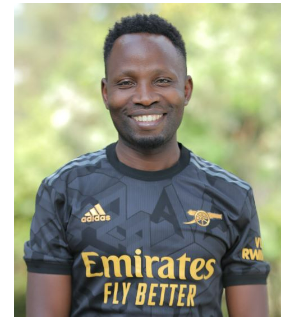

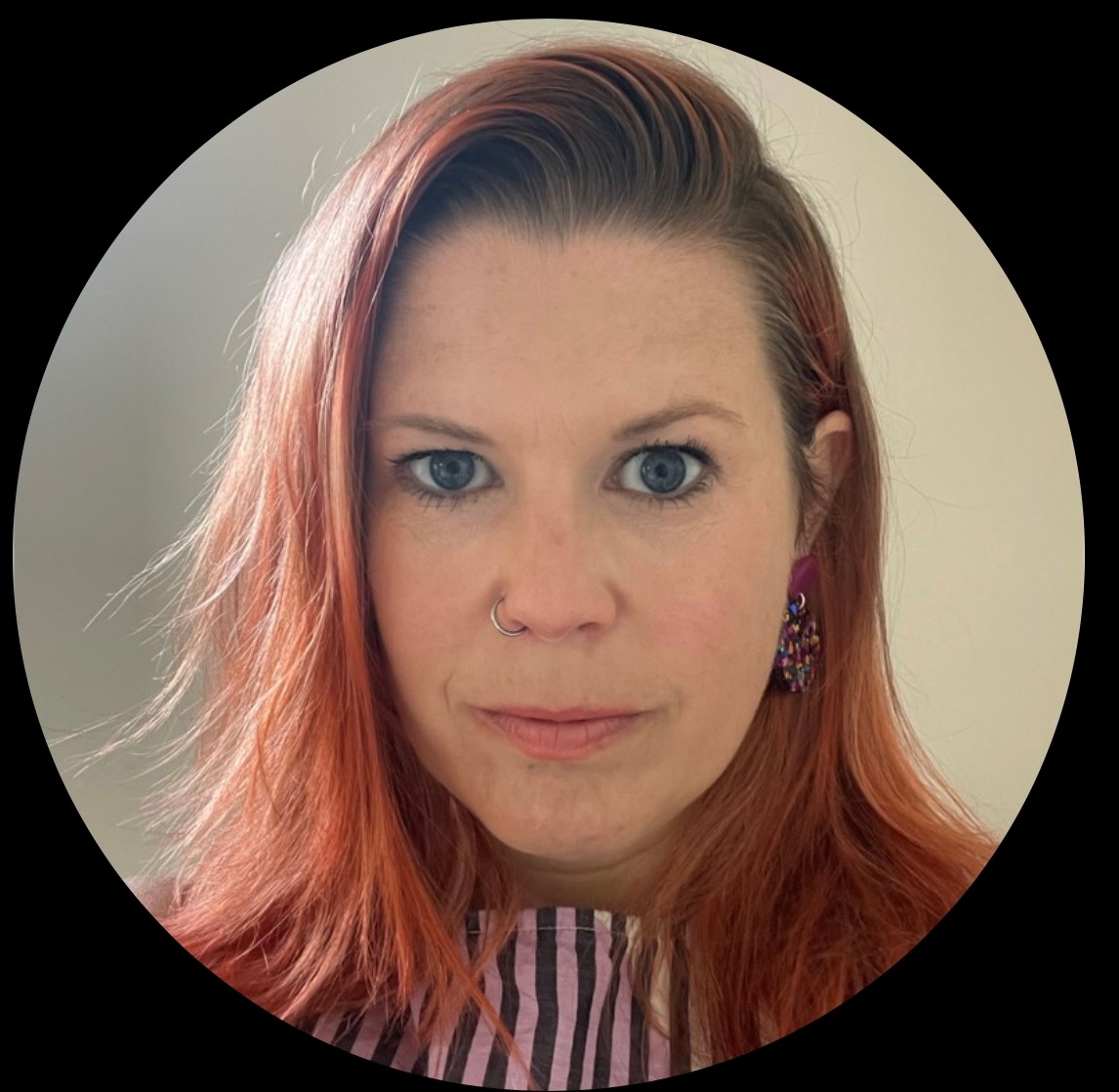
Dr. Alice Morgan, Coordinator of Clinical Psychology at the Royal Children's Hospital, Melbourne, Australia, and research team Rachel Lassman (Baby Ubuntu) and Michael Gumisiriza (Cohere) are proud to be the recipients of the 2023 ACBS Foundation Grant - Aaron S. Luoma Fund for Global Equity to complete a research project: Helping caregivers create Mighty Children: A Caregiver Support program for Children living with disability in a refugee camp.
The Mighty Children program was a 9 week peer support and education program for caregivers of children living with disability. Based off the Getting to Know Cerebral Palsy program, and with the addition of ACT techniques targeting caregiver well-being and resilience through mindfulness, gratitude and acceptance, Mighty Children had previously been found feasible and acceptable in a humanitarian setting in Afghanistan. This Foundation Grant them to train expert-parents and community workers in a Refugee-led Organsiation to run the intervention in their community. They then trialed the feasibility and acceptability of the intervention for a refugee setting in Uganda for caretakers of children living with a disability aged 2-10 years old. It is hoped that with further investment this program, it may be rolled out in larger trials in across the refugee camps in Uganda and potentially other countries.
Grant Report - December 2024
The Mighty Children program has created lasting positive change in five key areas:
1. Empowerment and well-being of Caregivers: Perhaps the key change from the Mighty Children groups was a change in the self-efficacy, hope and empowerment of the caregivers participating in the group. A sense of belonging and connection fostered by meeting a group of women living in a similar context was enhanced through the ACT-based exercises incorporated into the manual. The group was observed to reduce caregiver isolation and stress and foster emotional resilience.
Caregivers reported in focus groups conducted in Oct 2024 that they better understood their child, that they were able to act as advocates in their communities for their children and that they were able to reduce stigma amongst family and community members. The “Pause and Tune In” (ACT-based strategies) combined with positive parenting strategies allowed them to build reflective capacity and patience, enabling caregivers to meet their children’s needs physically and emotionally, which led to more empathetic and supportive parenting.
“The activities (pause and reflect) help me to relax and refocus, which I rarely get time to do” (Caregiver, focus group)
“I have learned to be more mindful of my emotions and how they affect my caregiving; the techniques are simple and easy to apply during stressful moments” (Caregiver, focus group)
“I used to think that my child was bewitched which made me hesitant to seek for medical attention... not until I joined the group and we were taught about disability, causes, clinical symptoms, support and management” (Caregiver, focus group)
2. Enhanced Development for Children with Disabilities: A key component of the Mighty Children program involved teaching practical skills that aided the development of communication, motor skills and other developmental tasks. Facilitators also work to connect children to essential resources, where available, such as special education and therapies to promote their growth and development. Caregivers reported that working with their children in these ways allowed their children to reach significant developmental milestones and attend school (where few had previously attended), despite impairments. Families reported improvements in eating, walking, standing and talking, as well as general improvements in inclusion.
The combination of practical skills, advocacy and caregiver empowerment allowed children to thrive in a newly supported context, which had flow-on effects to family functioning and well-being in many instances. Children were observed to be included more readily in family and community events, and an increase in school attendance was observed in nearly all participants.
“I thought that epilepsy is contagious, and I never allowed my daughter to share a bed, food and drinks, clothes and play materials with her siblings which was causing a lot of trauma in her life and she was always in isolation. When we learnt on how to care for disabled children, I changed my mindset, and the entire family too, and are living happily” (Caregiver, focus group)
3. Positive Change in Community Attitudes: Although advocacy was only a small component of the manualised program, the flow-on effect of education, knowledge, empowerment and support appeared to result in increased advocacy from caregivers within their community. The large reach of the program through the refugee camp has raised awareness in both participating families and their surrounding environment, which in turn has supported inclusion for children with disabilities.
“My husband divorced me because I produced a child with cerebral palsy which was considered a bad luck in their clan. I joined the mothers of CWDS and learnt how to do stretching exercises and my son learnt how to move with his legs, writing and is now at our nearby ECD and this brought back joy, and my husband returned home” (caregiver, focus group).
4. Long-Term Social and Economic Benefits: Longer term benefits are likely to be seen in the field of Inclusion for children with disability. Increased school attendance and community participation has already been observed, with this likely to result in their ability to contribute meaningfully to society in other areas. Similarly, caregivers are better equipped to meet their child’s needs and to offer responsive parenting, which may reduce healthcare costs through reduced disability.
Although not directly related to the ACBS grant, the add-on program that provides caregivers with opportunities to learn and participate in financial education and profit-generating activities may allow these families a step out of poverty.
“My child’s condition was an excuse for every problem I could face in my marriage and I hated her like nothing but I realized that it was not the case and I needed to love and care for her, after being trained in disability I developed that love and care for her which helped her to improve and life is moving on smoothly”
5. Impact on CBS and the research community: It is hoped that this program will contribute significantly to the CBS and ACT research base, particularly in the field of adapting ACT and CBS to low-resource humanitarian settings. This initial pilot program that examined adapting a previous ACT-based program for an East African refugee camp has suggested that this model is sustainable, feasible and scalable. It has also suggested that manualised programs conducted by minimally trained but uneducated (in ACT, CBS or mental health) facilitators is a workable model for future projects. This finding increases the reach of ACT and CBS into vulnerable and hard to reach populations such as refugee camps, conflict and other humanitarian spaces.
It is hoped that we will be able publish initial research related to the methodology of the Mighty Children program, and the outcomes of the Focus Group. It is also hoped that based on these results, we will be able to apply for a larger grant to scale this program across refugee camps in Uganda.
In related research, an article was recently published on the original iteration of this project in the British Journal of Global Health: Evans N, Ahmadi N, Morgan A, et al. Supporting caregivers of children living with disability in a humanitarian context: realist-informed evaluation of the ‘Mighty Children’ programme in Afghanistan. BMJ Glob Health 2024;9:e012989. doi:10.1136/ bmjgh-2023-012989
This article is the first iteration of what is hoped to be many published works around the Mighty Children program, promoting the use of ACT with caregivers in fragile settings. It is hoped that ongoing published work and promotion will allow for larger grants to run effectiveness trials of this program.
We thank you for your support of this grant – particularly recognising that you gave us this opportunity despite not being the original winner of the ACBS Foundation grant. This small amount of money has allowed us to do truly life-changing work in Rwamwanja refugee camp with an inspiring refugee-led organisation. We are excited about the next phase of evaluation and scaleup.
We have included some photos from the groups for you!
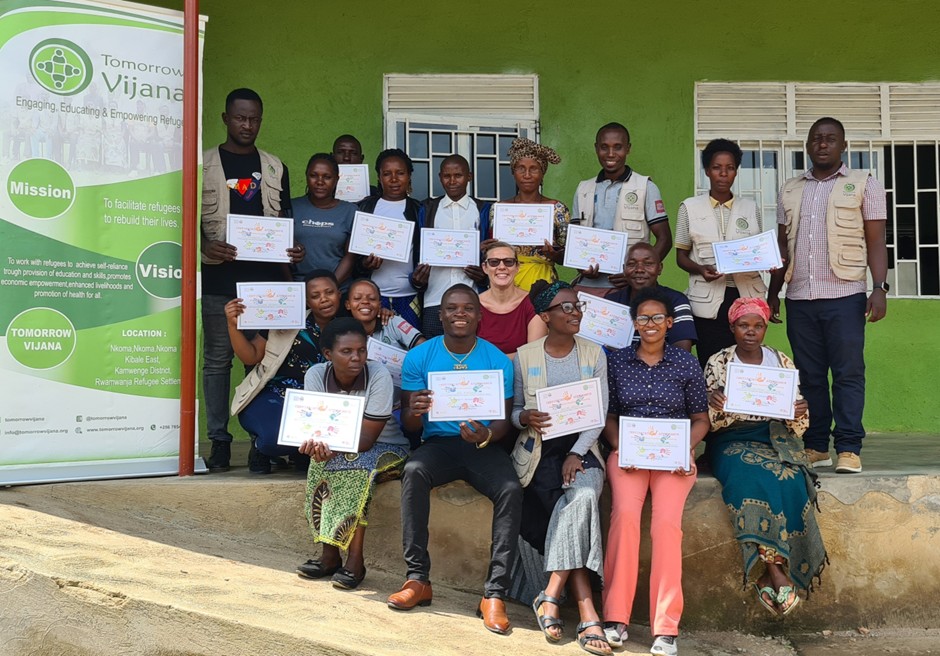
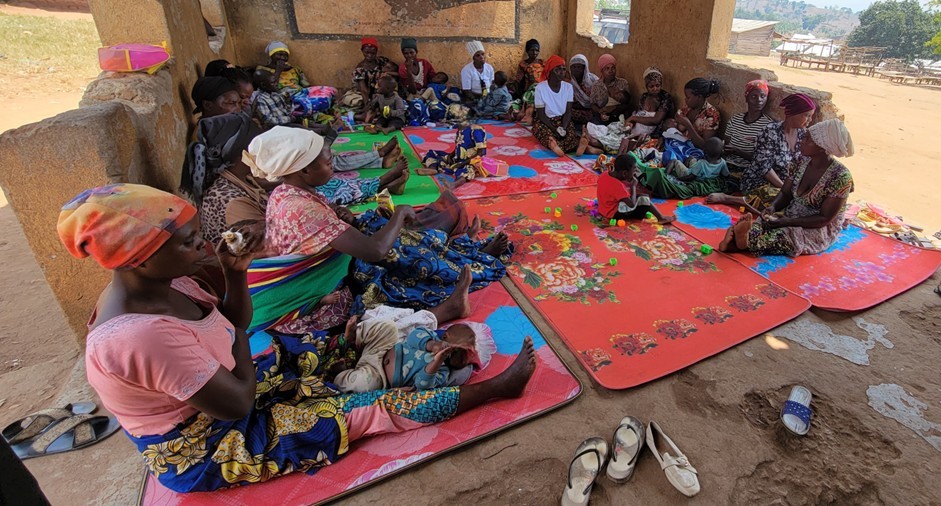
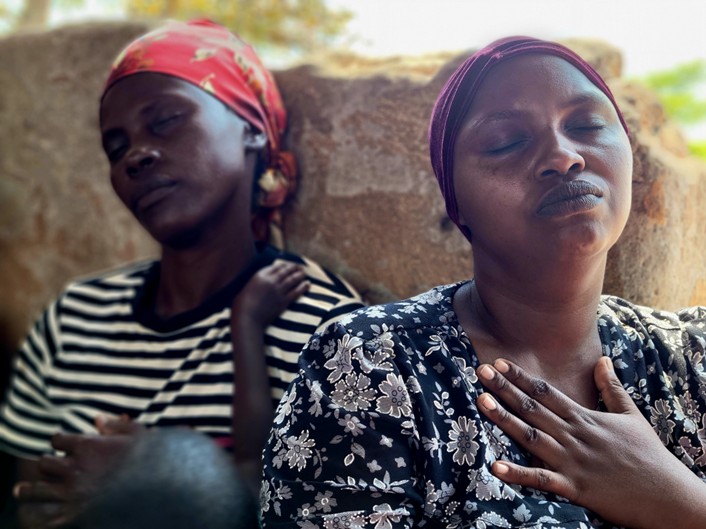
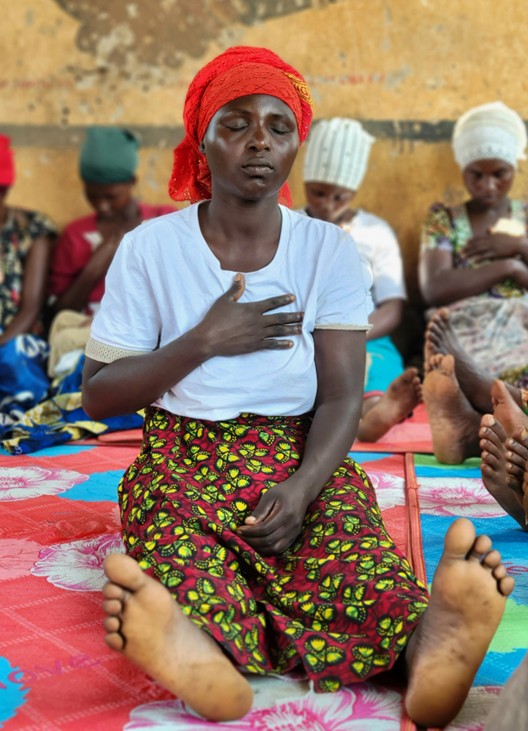
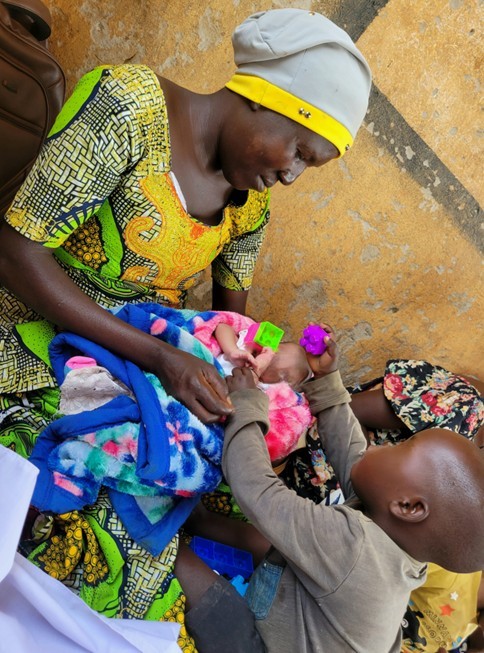
(Photos posted with permission.)
Foundation Grant
Dafne Morroni, Clinical Psychology PhD Candidate of the University of Cyprus (Nicosia, Cyprus) and her supervisor (Dr. Maria Karekla) are proud to be the recipients of the 2023 ACBS Foundation Grant for Miss Morroni’s PhD research on Acceptance and Commitment Therapy with Unaccompanied Minors.
For this project, the Self-Help Plus (SH+) protocol (World Health Organization, 2021) which has been successfully implemented in adult refugees, was adapted for adolescents from 13- 18 years old. A four-week ACT group intervention is currently being carried out with unaccompanied minors in shelters in major cities across the country. It is anticipated that the ACT group intervention will improve the minors’ psychological wellbeing, augment prosocial behaviour, and enhance quality of life. The Foundation Grant will be funding translation and printing of therapy materials as well as interpreters for the intervention. The Foundation Grant will aid in establishing feasibility and acceptability of ACT in unaccompanied minors. We hope that the support of the Foundation Grant will lead to increased interest and funding resources for future research with this underserved and vulnerable population.
Grant Report - May 2024
Unaccompanied minors (UM) are a highly vulnerable refugee subgroup as they face several challenges at a critical point in their physical and psychosocial development without the support of a parent or caregiver. Acceptance and Commitment Therapy (ACT) is effective for the treatment of trauma survivors and for vulnerable refugee groups. Although ACT is theoretically pertinent to the refugee population, the empirical evidence is still in its infancy.
The present project investigated whether ACT would be beneficial to UM in shelters in Cyprus. Prior to commencing the project, a systematic review and qualitative research synthesis examined the evidence of effectiveness and acceptability of cognitive behavioral therapy (CBT) and third-wave approaches (i.e., ACT) in improving the quality of life and psychological symptoms of UM. Third wave studies showed preliminary evidence for improvements in psychological flexibility and mindfulness in UM, as well as improvements in psychological symptoms. The qualitative synthesis demonstrated that CBT and third wave interventions are acceptable, create safety and cultivate a sense of togetherness in UM.
Based on the findings from the systematic review, a cluster randomized controlled trial was carried out in six shelters across Cyprus. 101 UM participated in the trial (49 males, 52 females), aged between 13 and 18 years old (M age=15.97, SD=1.23). Shelters were randomly assigned to either a four-session ACT-based treatment group or wait-list control group. Participants completed self-report measures at pre-intervention, post-intervention, 1-month, and 3-months follow-up. Self-report measures assessed quality of life, psychological flexibility, psychological symptoms. Statistically significant improvements were observed for psychological flexibility at post-intervention and 1-month follow-up in the treatment group. Statistically significant improvements were also observed for stress, anxiety, and depression in both the treatment and control groups. Gender differences were also observed in this study. Specifically, female UM seemed to drive the changes observed in the treatment group for psychological flexibility, indicating initial evidence of gender differences in this population.
Robert J. Kohlenberg Research Award
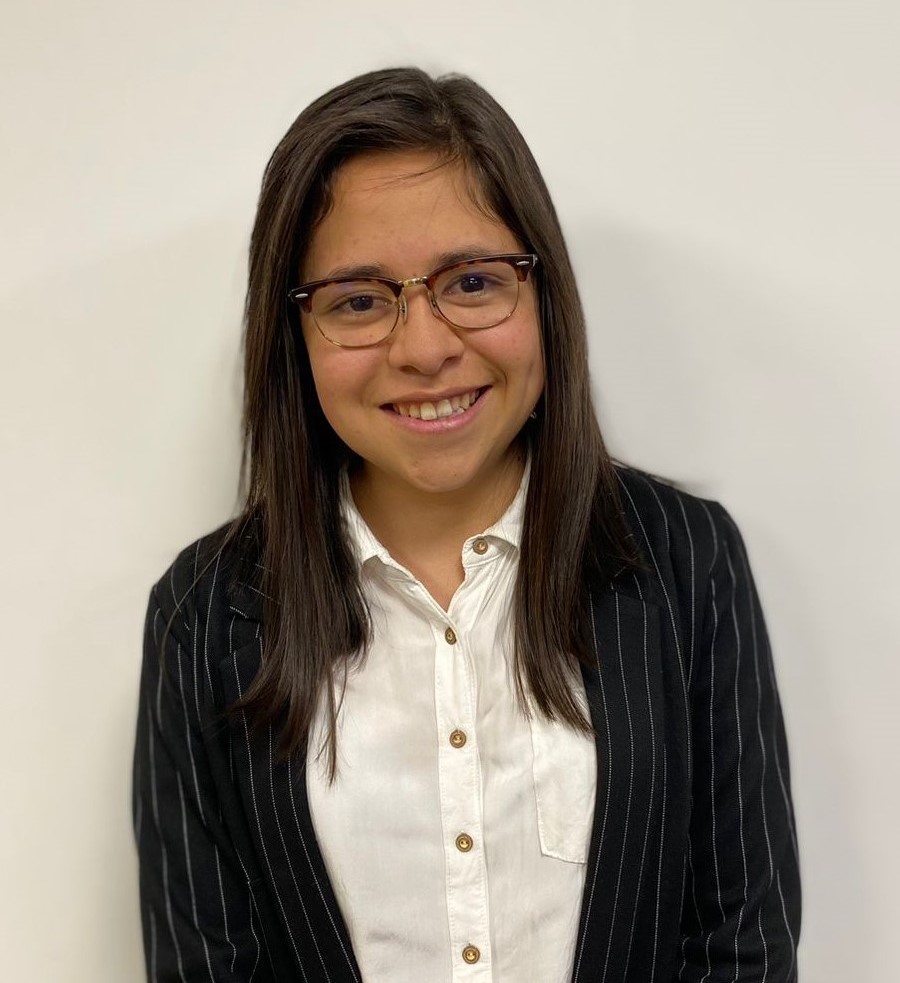
Sara Robayo, MS in Clinical Psychology at the Pontificia Universidad Javeriana, Bogota, Colombia, and research team Yors Garcia (Pontificia Universidad Javeriana), Amanda Muñoz-Martinez (Universidad de los Andes), and Matthew Skinta (Roosevelt University) are proud to be the recipients of the 2023 ACBS Robert J. Kohlenberg Research Grant to complete a research project on evaluating the Effect of Functional Analytic Psychotherapy in Intimacy and Minority Stress in Trans and Gender non-conforming people.
The main goal of this research project is using functional analytic psychotherapy (FAP) to improve intimacy repertories and stress minority levels in trans and gender non-conforming (TGNC) people living in Colombia (South America). In this country TGNC individuals are at greater risk of severe mental issues compared to cisgender counterpart, not to mention the limited access they have to evidence-based interventions that may help them with their specific needs. One of the most common difficulties reported by these individuals and observed in psychotherapeutic sessions is the lack of intimacy repertoires. These repertoires are important to develop close and significant relationships with significant ones. In addition, TGNC people have difficulties coping with minority stress, which consist of high levels of stress faced by members of stigmatized minority groups. Therefore, this research grant will be used to evaluate the impact of FAP in developing intimacy repertoires in TGNC people as well as teaching them alternative repertoires to effectively face minority stressors. We hope this study opens a new line of research and moves forward the legacy left by Robert Kohlenberg.
Final Report:
Outputs and Deliverables:
Based on the results of this research project, two articles were written.
The first article examines the therapeutic interaction and participants’ intimacy in-session behaviors and the pre-, post-, and follow-up measures of intimacy repertoires out-of-session, minority stress levels and interpersonal difficulties reported by these TGNC participants. This article is currently under development.
The second article entitled “Using Functional Analytic Psychotherapy to Address Interpersonal Difficulties with a Neurodiverse, Non-Binary Client” examined the implementation of Functional Analytic Psychotherapy, to address relational difficulties in a 33-year-old, non-binary autistic individual with interpersonal difficulties.
This paper was submitted to Clinical Case Studies (CCS) https://journals.sagepub.com/home/ccs on July 26, 2025 (Appendix B)
OSF. https://osf.io/7twrm/?view_only=a93917905cbf4f5696fb5de761ca9efa
Impact and benefits to the researchers, CBS, and society at large:
This project provides empirical evidence of the utility of FAP in addressing intimacy and minority stress in TGNC individuals, —population that face ongoing prejudice across multiple contexts and have limited access to empirically supported, affirmative psychological interventions tailored to their specific needs.
The first article illustrates the importance of integrating FAP principles with a culturally humble and affirmative framework to foster TGNC clients’ in- and out-of-session intimacy-seeking behaviors, while addressing behaviors that block interpersonal intimacy. Findings regarding therapeutic interaction and out-of-session intimacy repertoires shed light regarding FAP’ change mechanisms in minoritized populations, as well as idiographic aspects -such as intersecting identities- that may influence the generalization of their therapeutic gains.
The second study highlights FAP’s potential as an affirming and effective intervention for individuals navigating intersectional identities, particularly neuro- and gender diverse clients by providing a supportive space to tackle relational challenges and compounded social stressors. These findings emphasize the flexibility of FAP's principles in adjusting the therapeutic objectives by considering the client’s developmental and relational history. This article also offers recommendations for clinical practice aimed at promoting contextual interpretation of interfering behaviors exhibited by individuals from minoritized populations in the development of a therapeutic relationship— behaviors shaped by ongoing interaction with a context that continuously discriminates against them. Likewise, it encourages clinicians to make use of therapeutic rules to examine their own biases and how these may impact their work with these marginalized populations.
Both studies underscore the importance of using therapeutic interventions such as FAP in addressing TGNC clients’ interpersonal difficulties and fostering alternative interpersonal behaviors that enhance their ability to build high-quality relationships -a protective factor for their physical and mental health. Both studies also pose future research directions in addressing aspects that may influence generalization of their therapeutic gains such as clients’ intersecting identities.