2026-2027 Board of Directors
2026-2027 Board of Directors
President:
- Patricia Robinson, Ph.D., Mountainview Consulting Group, LLC (USA)
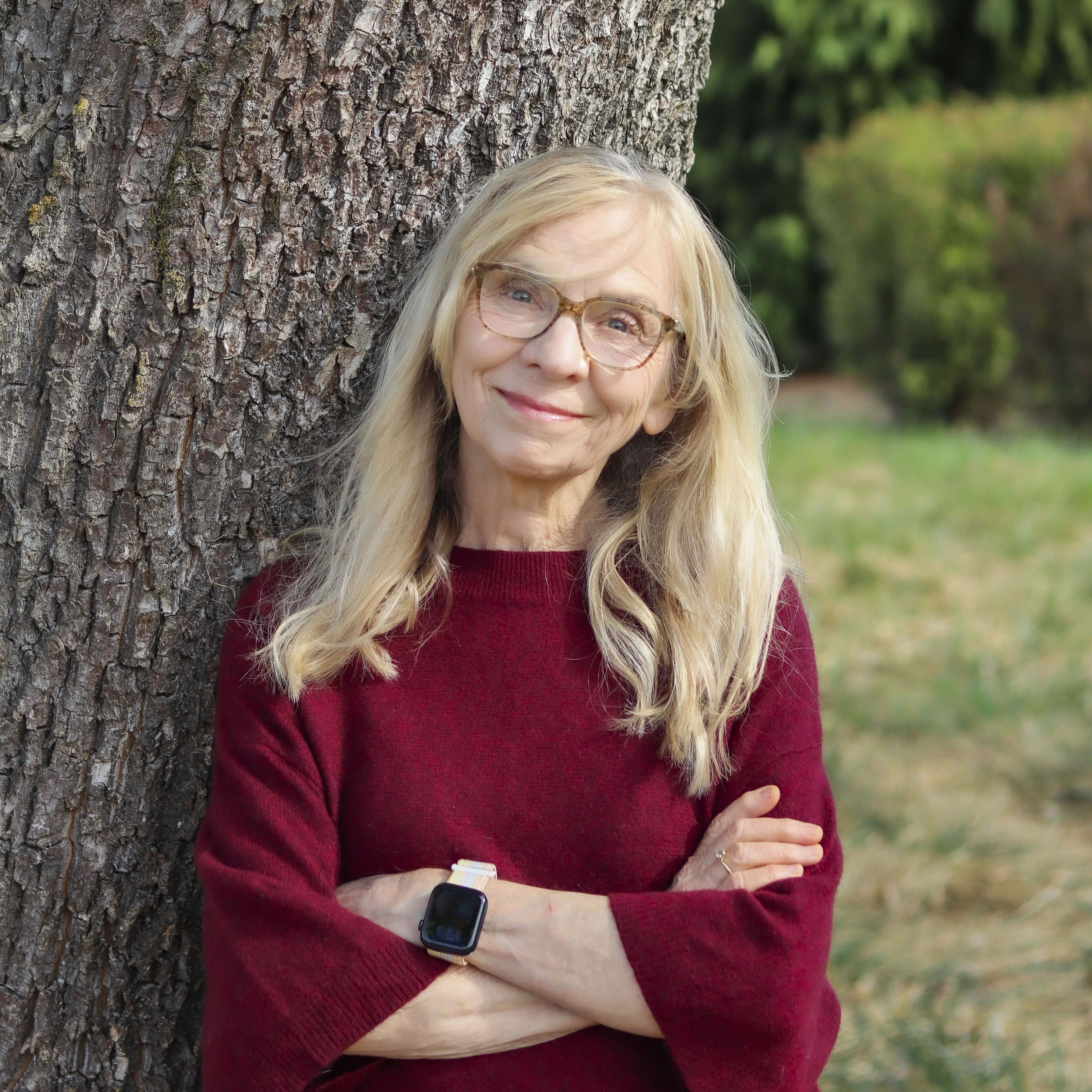
Patricia J. Robinson, Ph.D., (or Patti) is a international expert in behavioral health integration. She is co-founder of Focused Acceptance and Commitment Therapy, or “FACT” and the Primary Care Behavioral Health (PCBH) model. The PCBH model is a group of strategies that provide a platform for delivery of FACT. Over the past 7 years, the country of New Zealand has scaled up and now offers FACT in primary care clinics to most of its citizens. Her passion is to make the world a better place, and she plans to change primary care by asking the people who use primary care to speak to their doctor about integrated care (http://SpeaktoYourDoctor.com). With Jeff Reiter, she has co-authored 3 editions of Behavioral Consultation in Primary Care: A Guide to Integrating Services. As the president of Mountainview Consulting Group, Patti has trained many trainers and thousands of healthcare team members (http://Mtnviewconsulting.com).
Statement: I want to be of service to the Association for Contextual Behavioral Science, and, after being a member since its inception, I finally have time to support its work with greater focus and intention. If elected president, I hope is to support unity and clarity in action among the diverse group of 9,000 ACBS members. People that know me would describe me as a quiet worker capable of diligence and persistence and always leading with respect.
President-Elect:
- Lauren Lawson, Ph.D., La Trobe University, Melbourne (Australia)
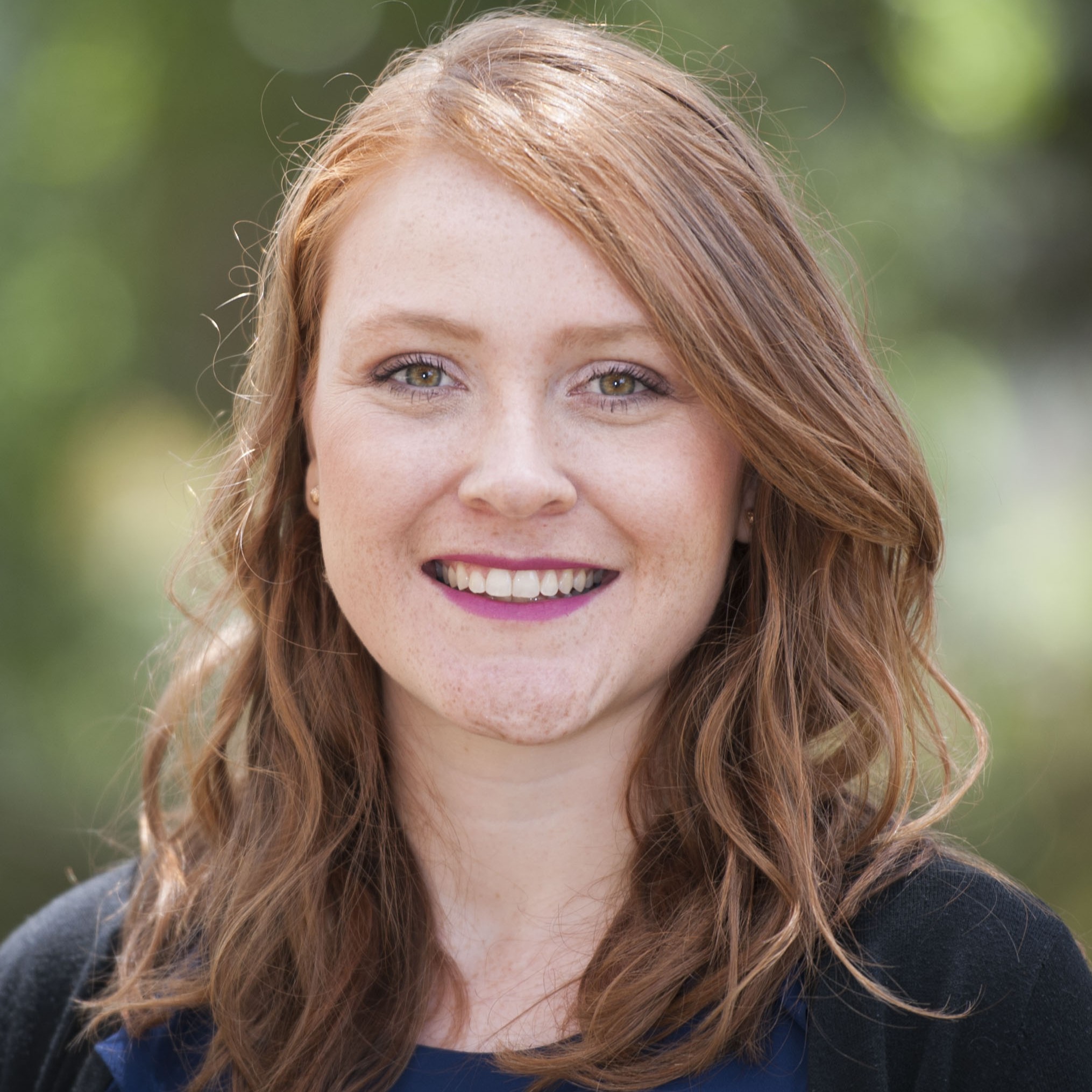
Lauren Lawson, PhD, is a Clinical Psychologist and Senior Lecturer at La Trobe University, Melbourne. She works across clinical practice, teaching, and research, with a strong commitment to translating contextual behavioural science into evidence-based practice and training. Lauren has held multiple leadership roles within the Australia and New Zealand Chapter of ACBS (2023-2026; currently Past-President), and serves on the ACBS Awards Committee (2024-). Across these positions, her service has focused on sustainability, clear communication, and strengthening member engagement. She is an active researcher (>46 peer-reviewed publications) and co-director of ACTUALISE Lab, a CBS research group focused on bridging the research-practice divide through applied, stakeholder-informed research. Her research program focuses on understanding and improving mental health outcomes for autistic adults, with particular emphasis on transdiagnostic mechanisms and contextual behavioural science approaches to intervention development.
Statement: I am nominating for President because ACBS has played a defining role in my professional journey, and I would be honoured to give back to this community. I care deeply about ACBS as a global home for contextual behavioural science, and supporting its continued growth in ways that are inclusive, collaborative, and responsive to a changing international landscape. Both personally and professionally, I have seen the importance of creating spaces where different ways of thinking and being are valued. Across my leadership roles within ANZ ACBS, I have prioritised inclusive, accessible structures that support member engagement across regions, career stages, and disciplines. If elected, I will advocate for strengthening international connections, supporting emerging leaders, and maintaining a strong bridge between science and practice. I bring experience leading research programs grounded in process-based approaches, alongside clinical psychology training and education leadership.
Past-President:
- Manuela O'Connell, Lic. (Argentina)
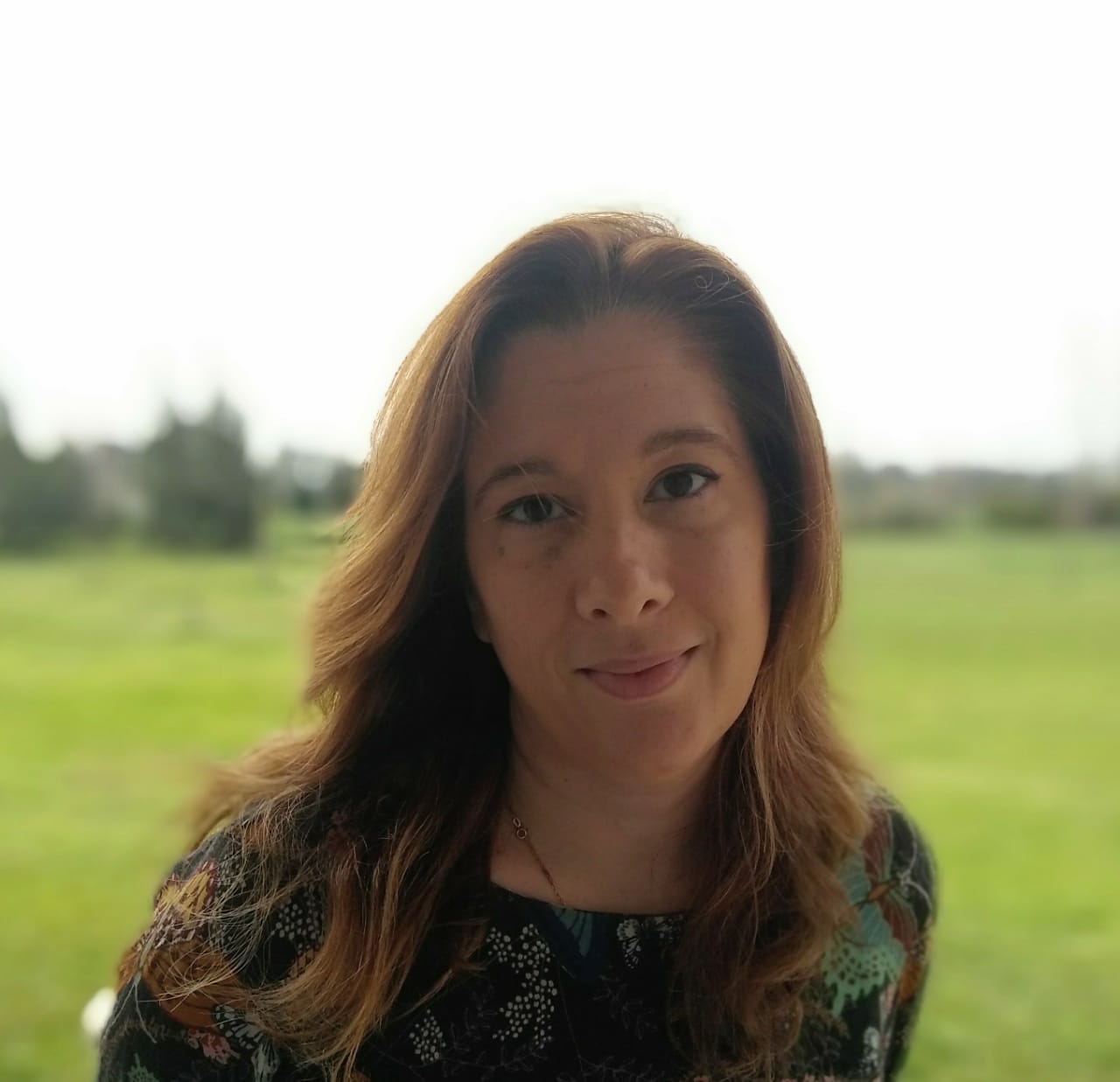 Clinical psychologist specialize in ACT, Mindfulness, FAP and CFT. Peer Reviewed ACT Trainer and Fellow for ACBS. ACT trainer and supervisor along Latin America in the Spanish speaking population. Board President of ACL Foundation (Live with Awareness, Courage and Love). Certified Mindfulness Meditation Teacher with Tara Brach and Jack Kornfield. I have been involved also in body work and somatic training for the last 30 years also a certified Eutony teacher. In this area I have been integrating somatic experiences with Mindfulness and ACT in the form of Embodied Metaphor into my clinical work and has presented around this topic extensively. Author of a general public book Una vida valiosa from Random Penguin House in Spanish and delivered ACT for the general public interventions. Co-author of The ACT Workbook for Anger with Dr. Robyn Walser and wrote several publications in the area of the therapeutic relationship and couples work.
Statement: I have been serving ACBS for the last 11 years so I know it's heart and soul. As a South American non-native English speaker, I am driven by a passionate commitment to fostering diversity, promoting inclusion, and effecting meaningful change within our community. Diversity is a fundamental pillar of strength. Our field flourishes when we embrace a wide spectrum of perspectives, experiences, and voices. As president, I pledge to prioritize initiatives that amplify underrepresented voices and cultivate a culture of belonging where every member feels valued and empowered to contribute their unique insights and talents. I am also dedicated to creating an environment where individuals from all walks of life feel welcomed and supported in their professional journeys. By fostering a culture of openness and collaboration, we can harness the full potential of our diverse membership to tackle the complex challenges facing our field and society at large.
Secretary-Treasurer:
- David Gillanders, DClinPsy, University of Edinburgh (Scotland)
 I am a Clinical Psychologist and Senior Lecturer at the University of Edinburgh. I’ve been learning ACT since 2004 and now teach as a Peer Reviewed Trainer. I’m also a Fellow of ACBS. My research programme focusses on ACT for long term health conditions, and more recently I have specialised in ACT for cancer and end of life. I’ve previously served ACBS as Chair of the Training Committee from 2011 to 2015, and as President, then Past President of the UK and Republic of Ireland Chapter from 2017 to 2020. I served on the Conference Strategy Committee from 2017 to 2020 and was joint programme chair for the World Conference in Dublin in 2019. I am a member of the Strategic Pillar on Competency and Dissemination.
Statement: I have previously served ACBS at the Chapter level and Internationally. In these roles I bring good organisational skills, careful and sensitive diplomacy and an ability to commit and follow through. I am able to listen to multiple perspectives and to help groups to reach consensus. As Training Committee Chair I led the committee in developing greater transparency of process and greater detail of evaluating the basic science competencies for peer reviewed trainers. These experiences show my abilities in working on international committees. I was elected to the role of Secretary / Treasurer in October 2023 to complete the term of office of the previous role holder. I would like to continue to serve the organisation in this role. I have contributed to discussion of sensitive issues with tact and diplomacy, and have at times brought a critical perspective to the board, whilst talking from the heart.
Members at Large (Basic Science):
- Maria Koushiou, Ph.D., University of Nicosia (Cyprus)
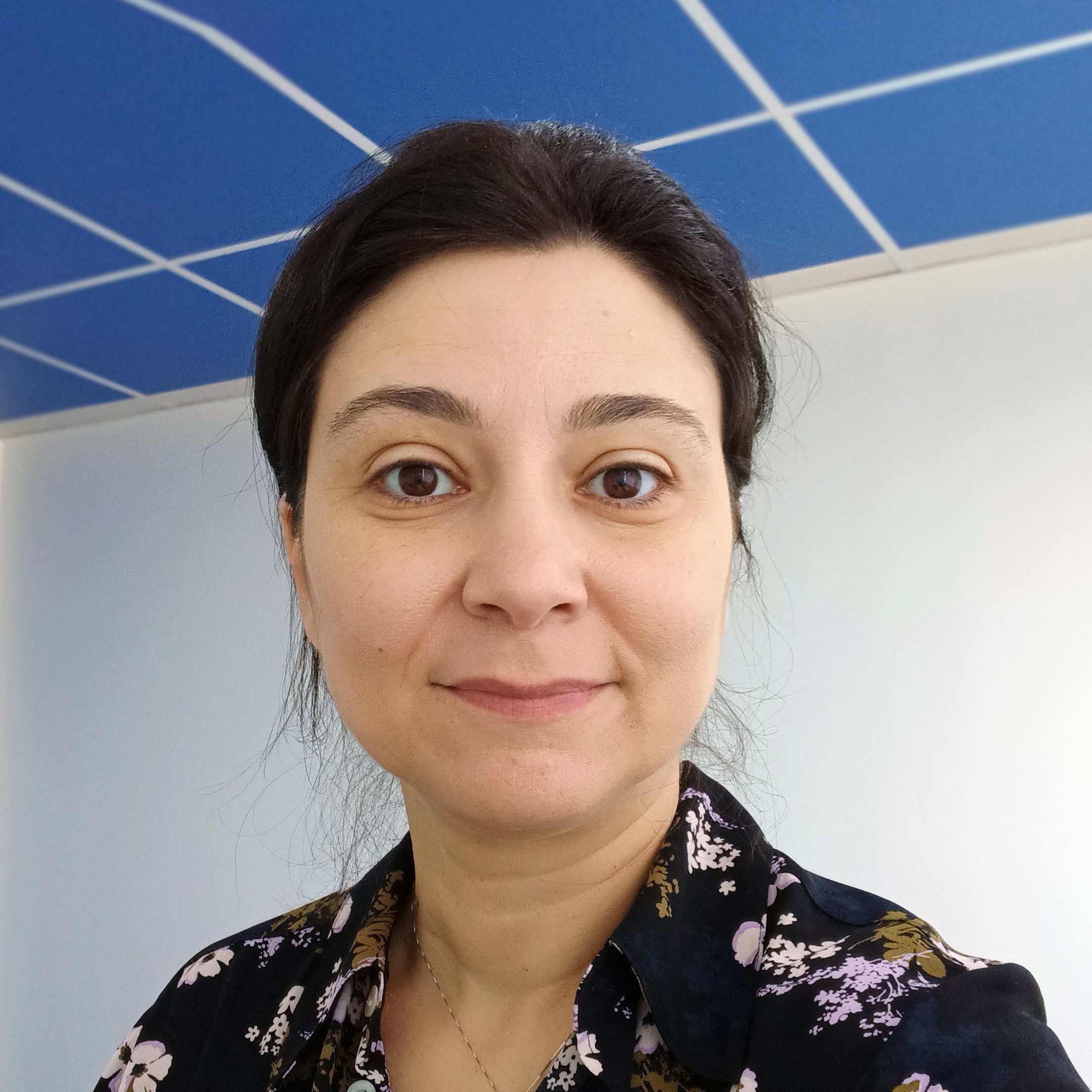 Maria Koushiou, PhD, is a licensed School and Clinical Psychologist in Cyprus and an Assistant Professor at the University of Nicosia. Her research focuses on children and youth, exploring body image and maladaptive eating behaviors, early development in children with congenital heart disease, and psychological flexibility in unaccompanied refugee minors (UMs). Her work has been published in peer-reviewed journals and contributed to the development of research projects within multidisciplinary, international collaborations.
Dr. Koushiou has extensive clinical experience with youth in private and public sectors. She has provided psychological support in a refugee reception center and was one of the lead psychologists in Cyprus’s first pilot foster care program for UMs. Currently, she works at the country’s biggest private referral center for pediatric heart and endocrinology diseases, applying ACT. She also, represents Cyprus Psychologists’ Association on the Board of Ethnic and Cultural Diversity at the European Federation of Psychologists’ Associations.Statement: During my doctoral studies (completed in 2016), I had the privilege of learning and practicing along some of the experts in CBS. Since then, ACT has profoundly shaped my professional and personal journey. As a scientist-practitioner, my mission is to use CBS to alleviate human suffering and empower individuals from diverse and underprivileged backgrounds. Through my work with unaccompanied refugees, pediatric populations and those experiencing hardship, I am continually called to put these values into action.
If elected, I would be honored to work for and with the ACBS community towards: strengthening communication among members—particularly among junior members and young professionals; supporting CBS dissemination across Europe, addressing challenges faced by professionals in smaller, geographically isolated states and advancing our science to better respond to the complexity of human experience. I look forward to connecting with colleagues to enhance our collective impact.- Roberta Kovac, Ph.D., Instituto Par Educação (Brazil)
 Clinical psychologist, behavior analyst, and academic leader with over 30 years of experience in Behavioral Science. PhD in Clinical Psychology from the University of São Paulo and a Master’s degree in Experimental Psychology: Behavior Analysis from PUC-SP. I work as a professor, supervisor, and director at Instituto Par Educação, contributing to graduate and professional training in Applied Behavior Analysis and contextual behavioral therapies.
My work integrates basic and applied science, with emphasis on Relational Frame Theory, language and cognition, psychological suffering, and process-based clinical interventions. I have authored peer-reviewed articles and book chapters and am actively involved in training clinicians and researchers across Brazil and Latin America. My academic and institutional work is dedicated to strengthening the bridge between basic behavioral science and culturally responsive clinical practice, contributing to the development of contextual behavioral science.Statement: Since my first ACT workshop in 2010, contextual behavioral science has guided my professional path. As a scientist-practitioner, I focus on applying CBS to reduce human suffering and expand access to evidence-based care for diverse and underserved communities.
Working in Brazil has meant developing science within the constraints often faced in developing countries, including limited funding and structural barriers to research and unequal access to training and dissemination. These conditions have lead me to search for building collaborative networks, promoting high-quality training, and supporting the growth of CBS in underrepresented regions.
Members at Large:
- Sarah Pegrum, Ph.D., Pegrum Therapy & Training (Canada)
 Dr. Sarah Pegrum is a psychologist, author and ACT Peer-Reviewed Trainer based in Newfoundland, Canada. She is currently the co-president of the Women in ACBS SIG, past president of the Atlantic Canada Chapter, a member of the PRT training committee, and a member of the Diversity Equity and Inclusion SIG. Dr. Sarah Pegrum works with people with a wide range of struggles and specializes in body image, weight stigma and eating disorders. She is also passionate about supervision and training and has been delivering training at local, national, and international levels on topics related to acceptance and commitment therapy (ACT), clinician supervision, and body image concerns for over 10 years. Her practice and training are deeply rooted in values of authenticity, safety, accessibility, compassion, curiosity, connection, and humour.
Statement: I have been incredibly fortunate in my career to have access to CBS training and community. The knowledge I’ve gained and the relationships I’ve built through ACBS have shaped not only my clinical work but also my personal growth, sense of purpose and belonging. Learning from others in this field has been a true gift in my own journey, and I seek to share that gift by fostering accessibility to training and the community for others. I believe in the power of creating and furthering inclusive spaces that welcome, support, and empower for both individual and collective growth.
If elected as Member-at-Large, my goal is to broaden access to training, mentorship, and resources while fostering meaningful connections within ACBS. I want to help create and nurture spaces where people feel valued, seen, and encouraged to contribute because I believe that a thriving, diverse, and connected ACBS community benefits us all.- Clarissa Ong, Ph.D., University of Louisville (USA)
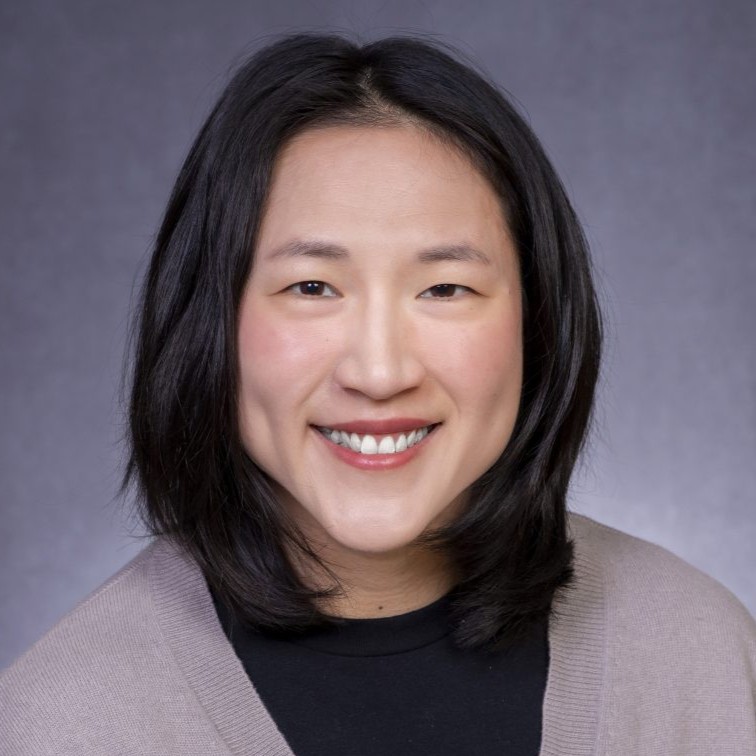 Dr. Clarissa Ong is an Assistant Professor in the Department of Psychological and Brain Sciences at the University of Louisville. She serves on the ACBS Scientific Strategic Council and ACBS Foundation Board. Dr. Ong completed her Ph.D. in Clinical/Counseling Psychology at Utah State University. Her research focuses on developing, evaluating, and disseminating personalized interventions guided by behavioral and process-based principles. Specific topics of interest include process-based therapy (PBT), acceptance and commitment therapy (ACT), obsessive-compulsive and related presentations, and perfectionism. She has co-authored over 80 peer-reviewed articles and four books, including a treatment guide for PBT.
Statement: ACT/CBS has played an indelible role in shaping who I am as a person today. From learning I could take my mind for a walk to ugly-crying at a Kelly Wilson workshop, functional contextualism has become core to how I see the world and understand human functioning. In serving ACBS, the objectives most meaningful to me are:
- Fostering a sense of belonging and inclusion for people newer to ACBS or feeling like they are on the “sidelines” (e.g., supporting initiatives like the Early Career Mentorship program).
- Increasing collaboration between primary-researchers and primary-clinicians, to build a science informed by practice and practice informed by science (e.g., developing community-oriented infrastructure for interested parties to connect).
- Democratizing CBS activities as much as possible, such as by promoting resources that increase accessibility (e.g., how to conduct research on a shoestring budget, how to deliver the smallest unit of ACT).
Student Representative:
- Stefanie (Rene) Salyer, Pennsylvania State University (USA)
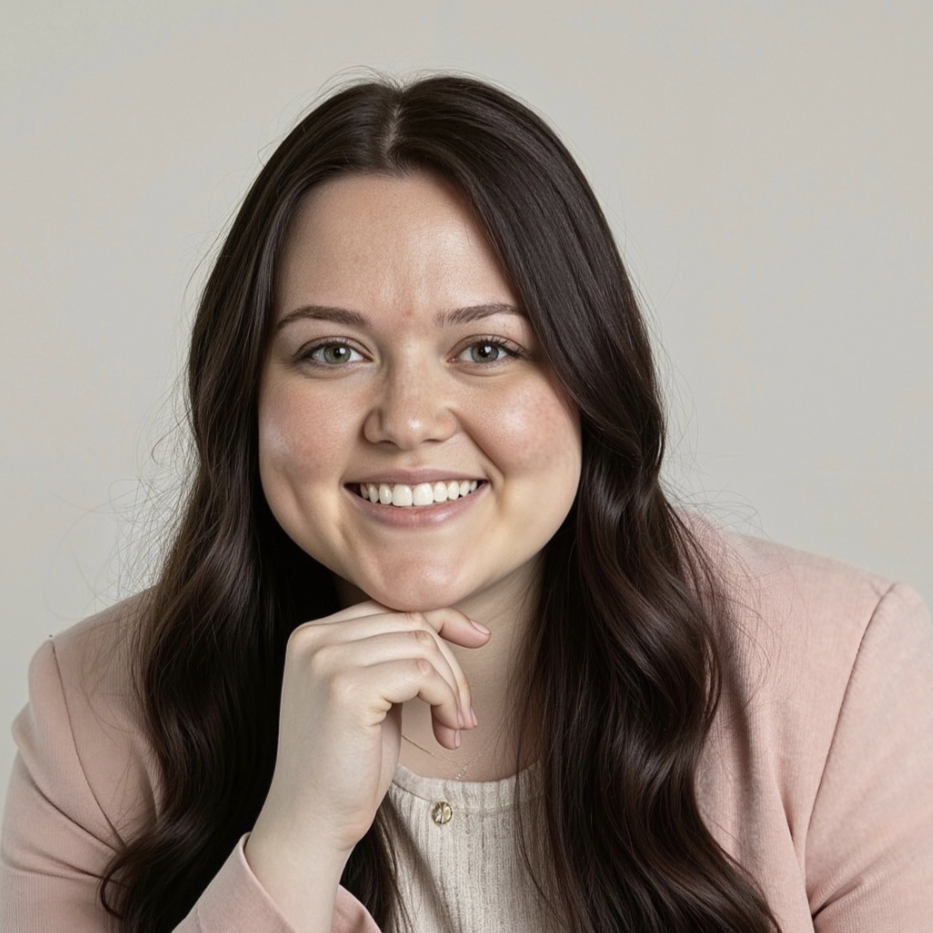 René Salyer is a doctoral candidate in Special Education: Applied Behavior Analysis and an M.Ed. student in Clinical Mental Health Counseling at Pennsylvania State University, with a strong commitment to advancing contextual behavioral science in schools. Her work focuses on bridging Acceptance and Commitment Training (ACT) and Relational Frame Theory (RFT) with practical, trauma-informed supports for students with disabilities. René brings a unique interdisciplinary perspective as an educator, behavioral specialist, and emerging mental health professional, working to build shared language and collaboration across teachers, counselors, and behavior analysts. René is inspired by the way CBS creates shared language across disciplines and fosters meaningful, values driven work in both research and applied settings. Getting elected as the student representative would allow her to help strengthen student engagement within ACBS, build community among students from diverse training backgrounds, and expand opportunities for connection, mentorship, and collaboration.
Statement: René is passionate about strengthening student engagement within ACBS by expanding access, fostering peer mentorship, and creating spaces where students from diverse disciplines can connect, learn, and lead together. As Student Representative, she hopes to amplify the student voice within the organization and ensure that ACBS remains a welcoming professional home for emerging scholars, practitioners, and educators across the world. René is especially committed to building opportunities for community and collaboration, including student-led writing groups, peer consultation spaces, and structured networking that supports both research and applied practice. She also hopes to continue and expand student sharing sessions that highlight the work of graduate students, while exploring ways to make participation more accessible across time zones, disciplines, and training backgrounds. René’s platform centers on connection, inclusion, and professional growth, helping students not only learn from contextual behavioral science, but also feel empowered to contribute, lead, and belong within ACBS.