ACBS Research Development Grant Scheme - 2025-2026 Awardees
ACBS Research Development Grant Scheme - 2025-2026 AwardeesAwards for 2025-2026:
Inclusive Science Grant - Timothy R. Moore, Sadaf Khawar and Ifrah Abdullahi
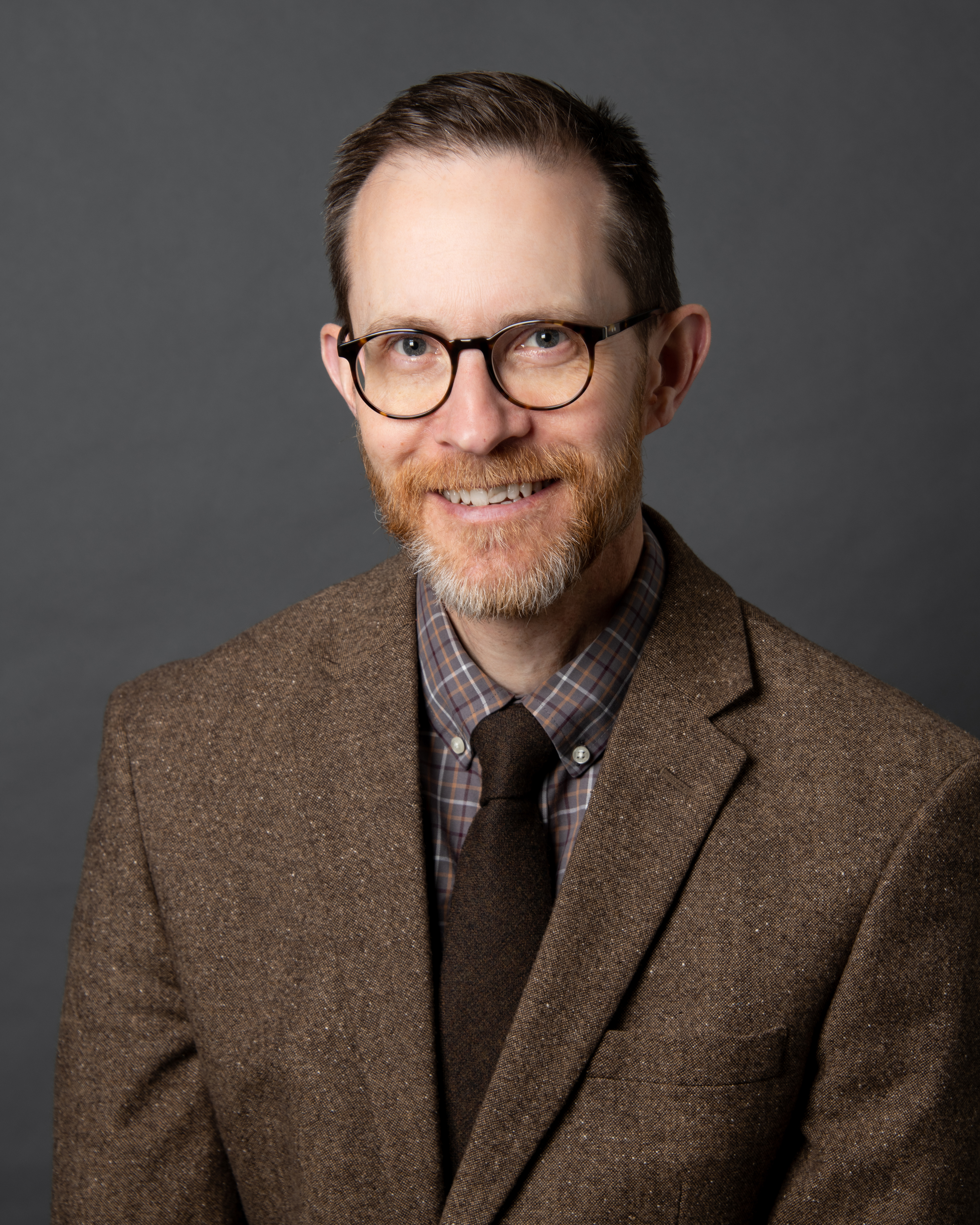
Collaborative Adaptation of Acceptance and Commitment Training with Parents in a Somali Cultural Context!
Lay Summary:
Acceptance and Commitment Therapy (ACT) and Acceptance and Commitment Training (ACTr) have been demonstrated as effective in reducing symptoms of distress, improving psychological flexibility, and increasing values - congruent action with parents of children with disabilities. However, these studies have largely involved white / European samples and contain limited examples of systematic adaptation to other cultural groups. This qualitative study will use a Community Initiated Care 1 approach to guide the cultural adaptation of an ACT curriculum for Somali parents of children with developmental disabilities. The Somali Parent Autism Network (SPAN), a group of leaders and stakeholders in the Somali disability community in a large, Midwestern U.S. city, will partner with university researchers to facilitate focus groups in which parents will learn about the principles and practices of ACTr, as described by Gould and colleagues (2018), and suggest adaptations to align with the Somali cultural context. Focus group input will be analyzed using Reflexive Thematic Analysis, and used to tailor the intervention, including the use of Somali language, concepts, and metaphors. The summary data will be presented to the focus groups for additional input and approval. The final product of this project will be a curriculum fully owned by SPAN, which intends to continue its partnership with the research team to seek funding to develop a full training manual in Somali, equip trainers to deliver the curriculum to parents, and study implementation of the training and its impacts on caregivers and families in their community, as well as the broader Somali diaspora in the U.S. and internationally.
LAMIC Grant - Kainat Asmat, Mehr Muhammad Adeel Riaz, Abel Jacobus Pienaar and Habibullah Gulzar
Feasibility of Community-Delivered Culturally Adapted ACT Groups for Psychosocial Support in Flood-Affected Pakistan
Lay Summary:
In August 2025, severe flooding struck District Buner in Khyber Pakhtunkhwa (KP), Pakistan. Thousands of families lost their homes, farmland, and loved ones, forcing them to live in unsafe temporary shelters. These unwarranted circumstances exposed survivors to stress, grief, and fear about future. Yet in the rural areas like Buner, access to mental healthcare is very limited, and stigma often prevents people from seeking support.
This project aims to examine a simple but important question: can Acceptance and Commitment Therapy (ACT), a widely used approach within Contextual Behavioral Science (CBS), be adapted to support communities in rural Pakistan after disasters? ACT has been widely acknowledged to help people manage their painful thoughts and emotions internationally, while allowing them to build community bonds. However, it has never been tested in rural, disaster-affected communities in Pakistan.
Our project will be implemented in three phases. First, ACT materials will be culturally adapted through community input, and translated in local languages (Urdu and Pashto), with validation by local advisory group. Second, local facilitators including teachers, health workers, and community leaders, will be trained to deliver ACT groups. Finally, we will pilot the intervention in two gender-segregated groups, meeting weekly for eight sessions in schools, mosques, or community halls. Sessions will use stories, metaphors, and practices in local language that connect with local culture and faith, such as patience (sabr) and family responsibility. We will assess whether the intervention is acceptable, feasible, and helpful. Feedback will be gathered from participants and facilitators, alongside simple surveys and interviews.
This project will develop open-access ACT materials in Pashto/Urdu, train local people to provide support, and test the approach on a small scale. It will also contribute to the global CBS mission of using science for social good, by tailoring ACT to a flood-affected rural setting.
General Grant - Wai Tong CHIEN, Annie Lai King YIP, Richard John GRAY, Eric Fuk Chi CHEUNG, Eric Morris, Yongfeng CHEN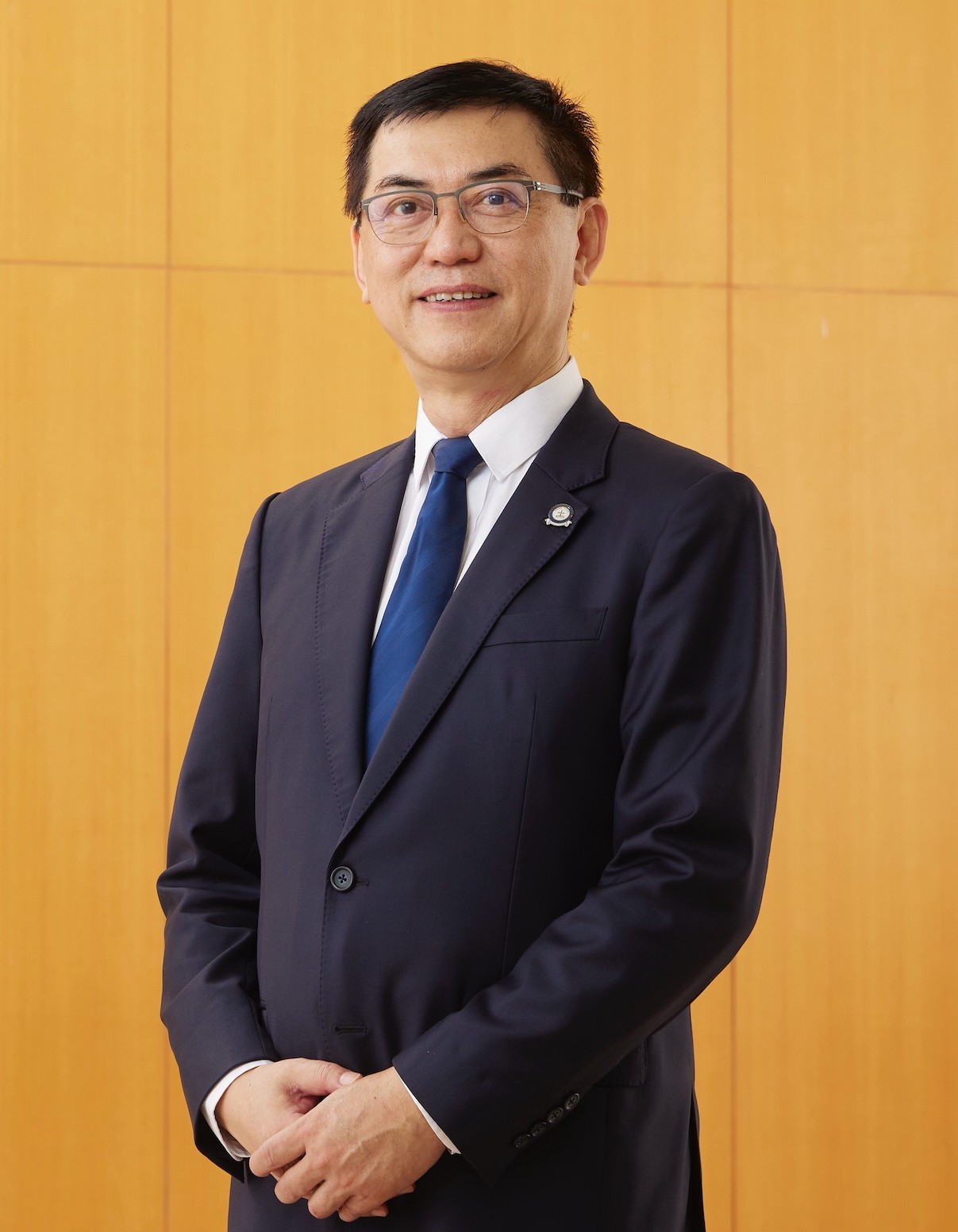
A Pilot Trial of a Peer-facilitated, Acceptance-based Illness Self-management Program for Recent-onset Psychosis
Lay Summary:
Psychosis is a highly disabling mental illness that disrupts cognition, emotions, and behaviors, resulting in impaired functioning and frequent relapses, particularly within the first five years of diagnosis (recent-onset psychosis, ROP). During this critical recovery period, many patients are unprepared to manage their illness effectively. In efforts to address this unpreparedness, psychosocial interventions, such as medication management, psychoeducation, and relapse prevention, have shown short-term benefits in reducing symptoms and hospitalizations, but their long-term effectiveness (beyond12months) and impact on patients' functioning remain inconclusive. Further exploration is needed to develop interventions that provide sustained clinical and functional benefits for patients with ROP.
Recent psychosocial interventions have increasingly focused on enhancing patients' awareness, acceptance and insight into their illness. Acceptance-based intervention, such as Acceptance and Commitment Therapy and mindfulness, have demonstrated promising results in improving illness management and patient engagement. Given limited healthcare resources, interventions that empower patients to manage their illness independently are essential for optimizing long-term recovery. Peer-support, self- help approach of care may provide a feasible solution to address these constraints.
Building on our prior interventional studies of psychoeducation and illness self- care for acute and chronic psychotic disorders, we have developed an innovative Peer facilitated, Acceptance-based Illness-Self-management (PAIS) program for early-stage psychosis. This pilot randomized controlled trial (RCT) aims to assess the feasibility, acceptability, and preliminary effectiveness of PAIS program for community-resided adults with ROP post-intervention. Study outcomes (measured at pretest and posttest) include patient functioning (primary outcome), insight into illness/treatment, problem- solving ability, psychotic symptoms, rehospitalization rates, and service satisfaction(secondary outcomes) will be assessed. If feasible, the PAIS program will be further tested in a larger controlled trial on its longer-term effectiveness (e.g., 12-month follow- up) in illness management and potential integration into ROP care in local and overseas mental healthcare services, in response to the constrained mental healthcare resources.
General Grant - Claudia-Iuliana Iacob and Miralena I. Tomescu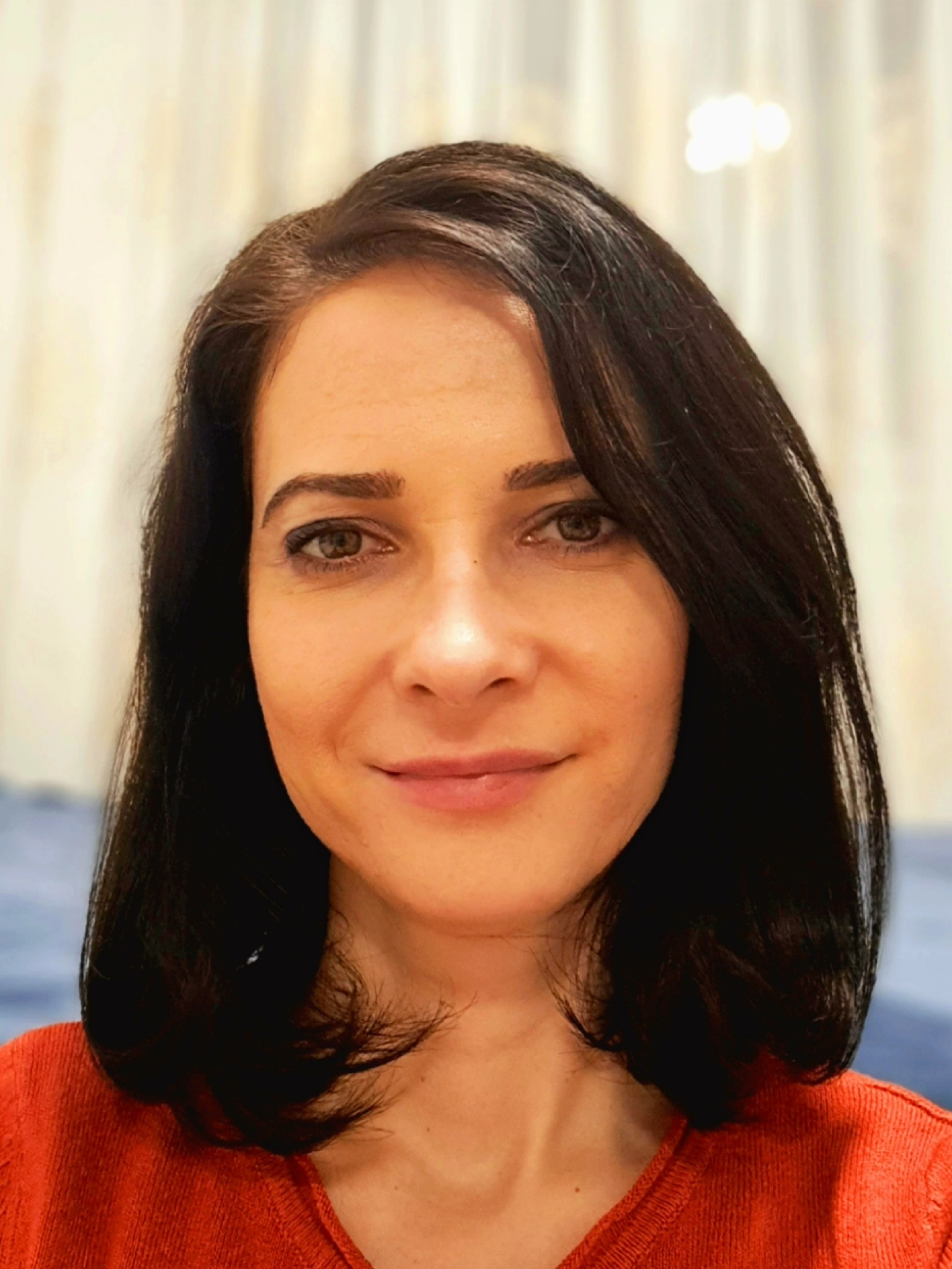
EEG microstates as biomarkers of cognitive defusion in parents of children with developmental disabilities
Lay Summary:
Parents of children with developmental disabilities often experience high levels of stress, anxiety, and emotional burden. While psychological interventions such ACT have shown promise in supporting these parents, we still know little about how ACT processes—such as cognitive defusion - are reflected in the brain.
In a recent pilot study, we tested a brief online cognitive defusion training for parents of children with disabilities and examined its impact on psychological flexibility, cognitive defusion levels and brain activity using EEG (electroencephalography). Results showed that parents tended to report greater psychological flexibility and less identification with distressing thoughts after the training. At the brain level, during experimental tasks, we observed trends in EEG microstates—brief patterns of brain activity—suggesting that cognitive defusion may engage attention and self-regulation brain networks.
The study proposed for ACBS RDG will extend this work by addressing the following questions: (1) Do the pilot findings replicate in a larger sample of parents (N=30)? (2) Do changes in psychological flexibility and EEG microstates hold up when compared to a control group? (3) How do brain dynamics differ across resting, cognitive defusion, and fusion experimental conditions, and how do these differences correlate with caregivers’ behavioral self-reports of thought identification and psychological flexibility?
By answering these questions, the study will clarify whether cognitive defusion produces measurable and distinct changes in brain dynamics, and how these changes relate to self-reported measures. This research will strengthen the bridge between contextual behavioral science and neuroscience. It will advance theory by grounding ACT processes in objective neural markers, improve methodology for studying thought regulation.